
Tempe Remains Resilient Amid Soybean Import Dependence
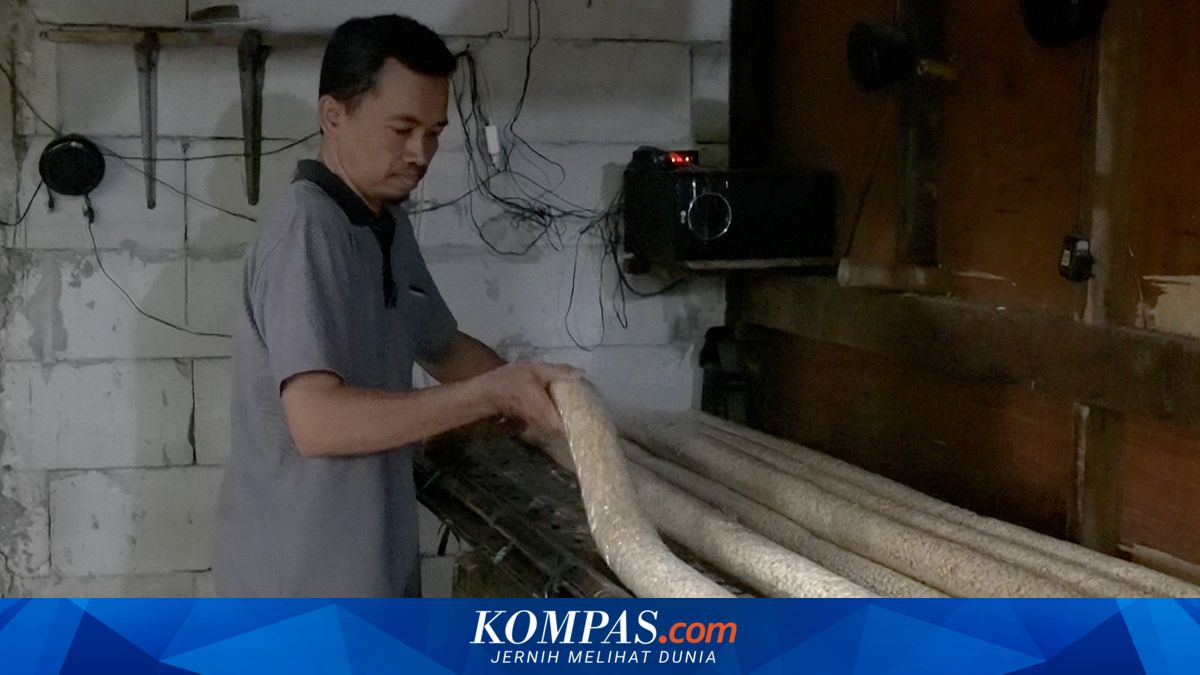
JAKARTA, KOMPAS.com — Indonesia’s dependence on soybean imports remains the primary factor affecting the stability of prices and the sustainability of tempe artisans’ businesses domestically. This condition places small-scale entrepreneurs in a vulnerable position whenever global economic turbulence or changes in the rupiah’s exchange rate occur. Economic expert M Rizal Taufikurahman explained that the national soybean requirement currently stands at around 2.6 to 2.7 million tonnes per year. “This means more than 85 percent is met through imports. With this structure, every rupiah depreciation—for instance, moving around Rp 17,000 per USD—directly increases domestic raw material costs without any domestic production buffer,” Rizal stated when contacted on Thursday. According to him, this situation makes the soybean-based industry, including tempe and tofu artisans, highly dependent on global market dynamics. When global energy prices rise, logistics and shipping costs are also pushed up, thereby pulling domestic raw material prices higher. “The rise in energy prices drives up logistics and freight costs, while the global supply chain is still not fully efficient following geopolitical disruptions,” he said. Plastic based on petroleum-derived resin is also affected by the global oil price increase. “Resin-based plastic, derived from oil, experiences price hikes in line with the Indonesian Crude Price (ICP) that has already surpassed $100 per barrel,” he stated. According to Rizal, this directly impacts small-scale entrepreneurs who use plastic as an essential part of the tempe production process. Although often considered a minor component, the cumulative cost is quite significant. “This directly affects the packaging costs for tempe, which has so far been seen as a small component but is cumulatively quite significant for MSMEs,” he said.