
Telkom plans to reduce subsidiaries from 60 to 14 entities
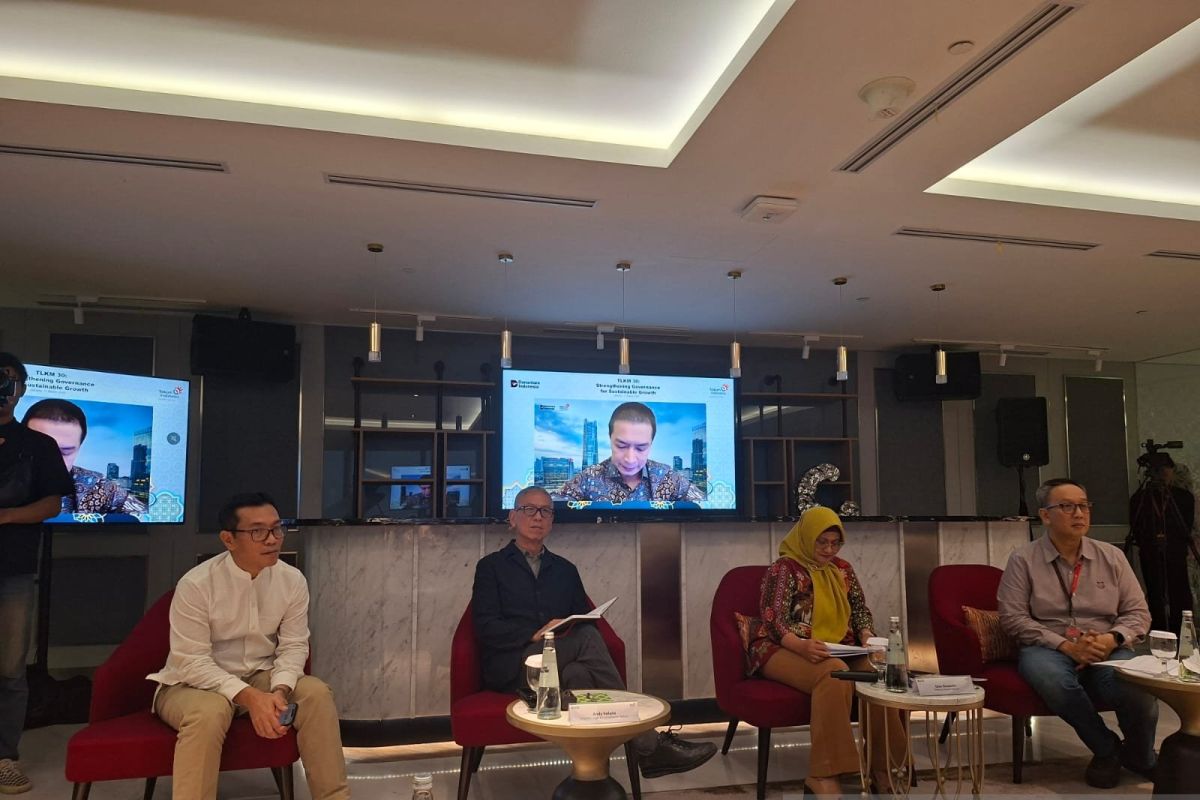
PT Telkom Indonesia (Persero) Tbk plans to streamline its corporate structure by reducing the number of subsidiaries from approximately 60 entities to 14 entities.
Arthur Angelo Syailendra, Telkom’s Director of Finance and Risk Management, stated that this step is being executed through various corporate actions as part of the company’s transformation programme. “From the approximately 60 subsidiary entities currently in existence, the intention is to reduce that number to around 14. So roughly 50 entities or so will undergo corporate restructuring,” he said during a video conference at a media update event in Jakarta.
According to Syailendra, Telkom has mapped out several options for corporate action regarding the roughly 50 entities to be restructured. First, several entities will be divested or sold off. Second, there are companies that will be closed because they are no longer active or do not have operational activities. “These are entities that have been around for a long time or are outdated, so they will be shut down,” he explained.
Additionally, several subsidiaries will be transferred or merged to strengthen the company’s business focus. Telkom is also evaluating minority stakes in various companies that are deemed not to provide significant added value to the company. “Minority investments in some of these companies may not be particularly meaningful to us,” he said.
The streamlining effort is part of the company’s transformation agenda to strengthen focus on core business operations and enhance asset management. Telkom is also undertaking a business portfolio restructuring to create significantly greater added value whilst improving corporate governance quality.
Holistically, Telkom is implementing four pillars of transformation towards the company’s medium-term transformation agenda at 2030 (TLKM 30). One of the main pillars is streamlining, which involves restructuring the Telkom Group. This streamlining is being implemented by consolidating overlapping business units, divesting businesses not directly related to Telkom’s core operations, and refocusing on Telkom’s core business. In this way, the group structure can become more efficient, have fewer subsidiaries, and focus on core operations.
In line with this, Telkom is also strengthening the company’s role as a strategic holding company. Meanwhile, business operations are run by operating company entities that serve as the primary drivers in each business line. The four main growth pillars for the Telkom Group going forward are B2C Business, B2B IT Services, Digital Infrastructure, and International Business.