
Telkom Discloses Major Changes to Financial Reporting
Jakarta — Changes to the calculation of amortisation and depreciation will increase the financial burden in the accounts of PT Telkom Indonesia (Persero) Tbk. through 2027. However, the company has stressed that these adjustments will not impact its cash flows or operational performance.
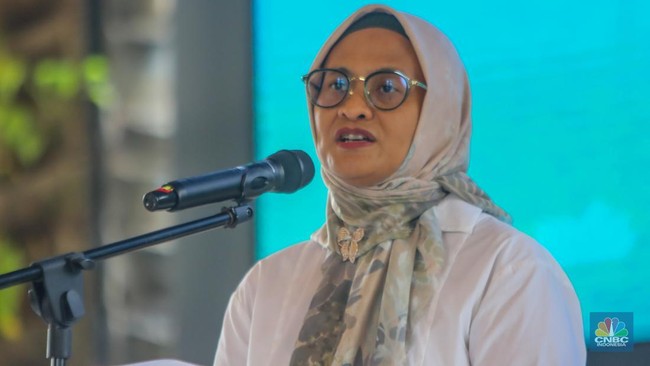
Telkom Chief Executive Officer Dian Siswarini explained that Telkom has changed its method for calculating asset depreciation to align with globally accepted standards.
By implementing a more accurate asset depreciation calculation, the company can invest more efficiently in updating and modernising its technology infrastructure assets.
“If the network infrastructure still has a long lifespan, the burden remains substantial. This is adjusted to reflect asset life: once technology changes, it is also completed in the books,” Dian stated on Wednesday, 11 March 2026.
Telkom Finance Director Arthur Angelo Syailendra said the additional depreciation and amortisation charges resulting from the change in asset depreciation methodology will be reflected in Telkom’s financial statements from 2025 through 2027.
“We recognised that an accounting error occurred; the depreciation period was incorrect and should have been shorter,” he said.
However, Angelo emphasised that this change relates to non-cash items and has already been provisioned in previous periods.
Dian added that the change in asset depreciation methodology will have a significant impact on the performance of PT Telkom Infrastruktur Indonesia (TIF) or Infranexia.
The fibre optic infrastructure management and service provider company has been spun off as a separate entity. Telkom targets Infranexia to become the company’s second-largest revenue source after Telkomsel, focusing on fibre optic services.
“If we do not proceed with the asset transfer to TIF, they will face heavy costs from the outset when they become a neutral fibre carrier,” Dian said.
Telkom’s Wholesale and International Service Director, Budi Satria Dharma Purba, targets TIF’s revenue from providing external services to rise from 15 per cent to 25-40 per cent.