
Telkom: Danantara Indonesia Requests Closure of 10 Subsidiaries by June
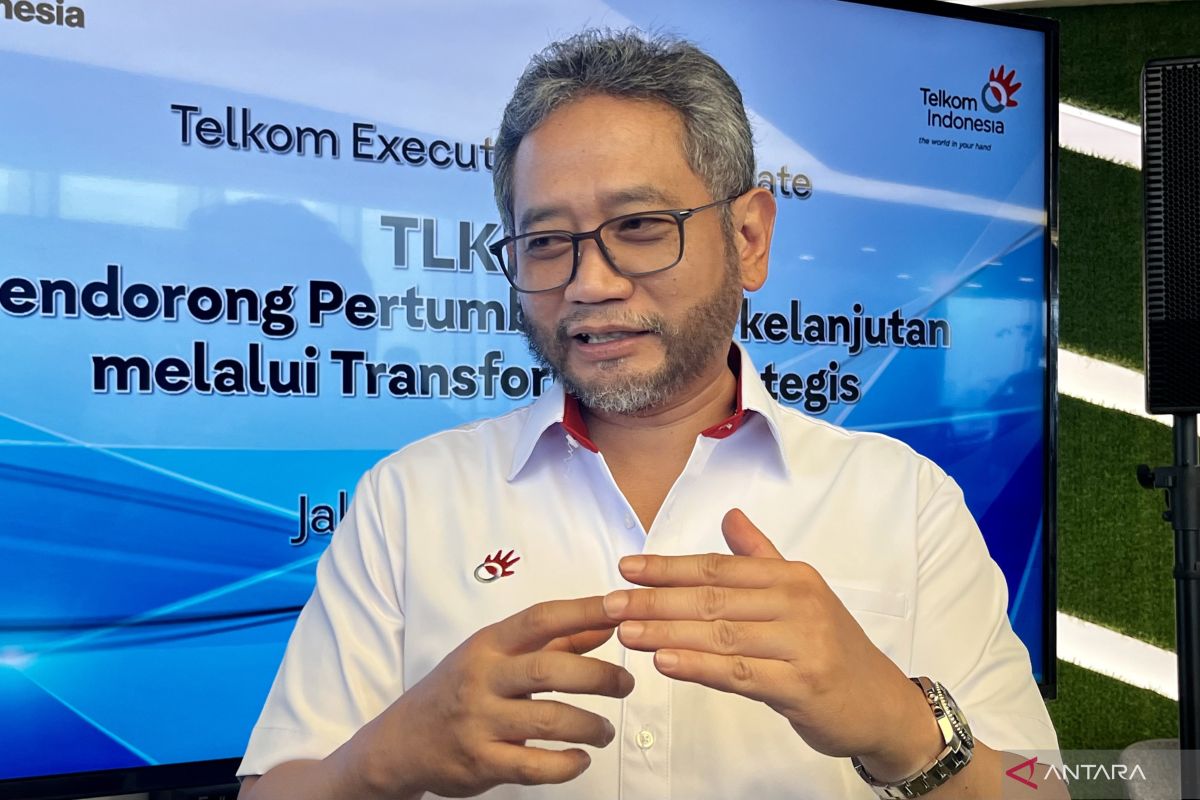
PT Telkom Indonesia (Persero) Tbk has said that Danantara Indonesia, the Daya Anagata Nusantara Investment Management Agency, has requested the closure of 10 of its subsidiaries by June 2026. ‘By the end of June, we have been asked to close 10 subsidiaries. And, God willing, we are committed to closing 10 subsidiaries, so from 67 subsidiaries, 10 of them will be cut by the end of June next month,’ Telkom’s Director of Strategic Business Development and Portfolio, Seno Soemadji, told reporters in Jakarta on Wednesday. Seno said the group is currently conducting further considerations and studies on subsidiaries whose business lines are similar or overlapped. ‘Indeed, from a business perspective, we have conducted assessments; our analysis indicates that streamlining this, particularly where there is overlap, with businesses in the same field, is one of the matters we will watch,’ he said. Further, Seno said the considerations also look at the performance or underperformance of subsidiaries over the past two years. However, he declined to name which Telkom subsidiaries are most likely to be cut following Danantara’s request. ‘In my view, this will be announced later. Because we have several approaches and sensitivities to consider. But further information can be disclosed later,’ he said. In general, Danantara has asked Telkom to trim around 60 subsidiaries to 22. On progress, he said they are still working to ensure the governance process is correct, including the hypotheses and the steps, which will take time to implement gradually. ‘We must ensure the governance process is correct, the hypotheses and the steps are all correct,’ he said. He described the streamlining as part of the company’s transformation agenda to strengthen focus on core businesses and improve asset management. In addition, Telkom is reorganising its business portfolio to create far greater added value and improve the quality of corporate governance. In line with this, Telkom is strengthening its role as a strategic holding company, while operational business is run by operating companies that drive each line of business.