
Telkom CEO Outlines Five-Year Plan, Ready to Boost AI Capabilities
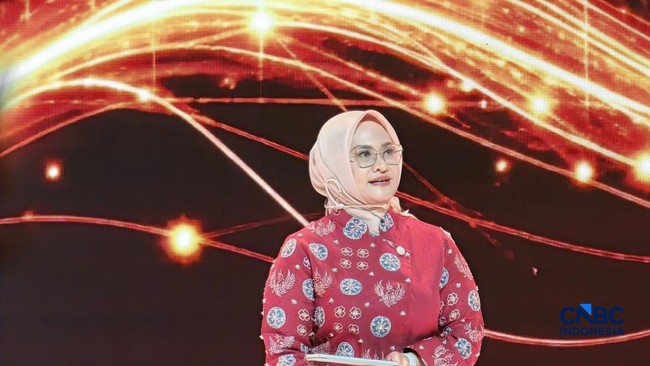
PT Telkom Indonesia (Persero) Tbk. has announced a transformation plan known as ‘Telkom 30’. This medium-term agenda for the next five years is built upon four key pillars.
The first pillar is operational excellence, aimed at making the corporation more agile, efficient, and better governed. The second is streamlining, which involves reducing the number of subsidiaries to ensure a sharper focus on Telkom’s core business operations.
“This allows our business focus to be directed towards areas that truly matter to Telkom, specifically our core strengths. Consequently, both capital expenditure (CapEx) and operating expenditure (OpEx) can become far more effective,” stated the President Director of Telkom Indonesia, Dian Siswarini, during an interview with CNBC Indonesia TV.
The third pillar is unlocking value, which aims to maximise the utility of existing infrastructure, including towers, fibre optics, and data centres. The final pillar is a shift in modus operandi, where Telkom intends to transition from an operational holding company to a strategic holding company. This move is designed to increase efficiency and ensure financial reports are more transparent and accessible to investors.
Telkom is also prepared to focus heavily on Artificial Intelligence (AI) technology, primarily through the development of AI-ready data centres. There is a significant distinction between data centres built a decade ago and those being developed today; modern facilities must prioritise not only capacity but also superior connectivity and power supply.
“We must ensure our data centres are truly well-connected, featuring low latency and high resilience. Furthermore, the demand for power is becoming extremely high. Therefore, our primary focus is the construction of data centres that are AI-ready,” she explained.
The next focus area involves fibre optics. The goal is no longer just connecting one point to another, but meeting the specific requirements of AI applications that demand low latency and high durability.
“In the past, connecting one point to another might have only required a primary link and one backup. Now, we may need four or even five backups for the same link. We must think strategically about how fibre optics can support the needs of our data centres,” she added.
Finally, the company is focusing on submarine cables. In an increasingly borderless digital era, Indonesia must remain connected to the rest of the world via undersea cables. Dian explained that Telkom already operates numerous cable segments connecting to all continents, facilitating connectivity between Indonesia and the global market.
“This is not just about the Telkom Group, but about how we connect Indonesia to the entire world,” she concluded.