
Telecommunications During RAFI 2026 Remain Stable Thanks to Collaborative Monitoring
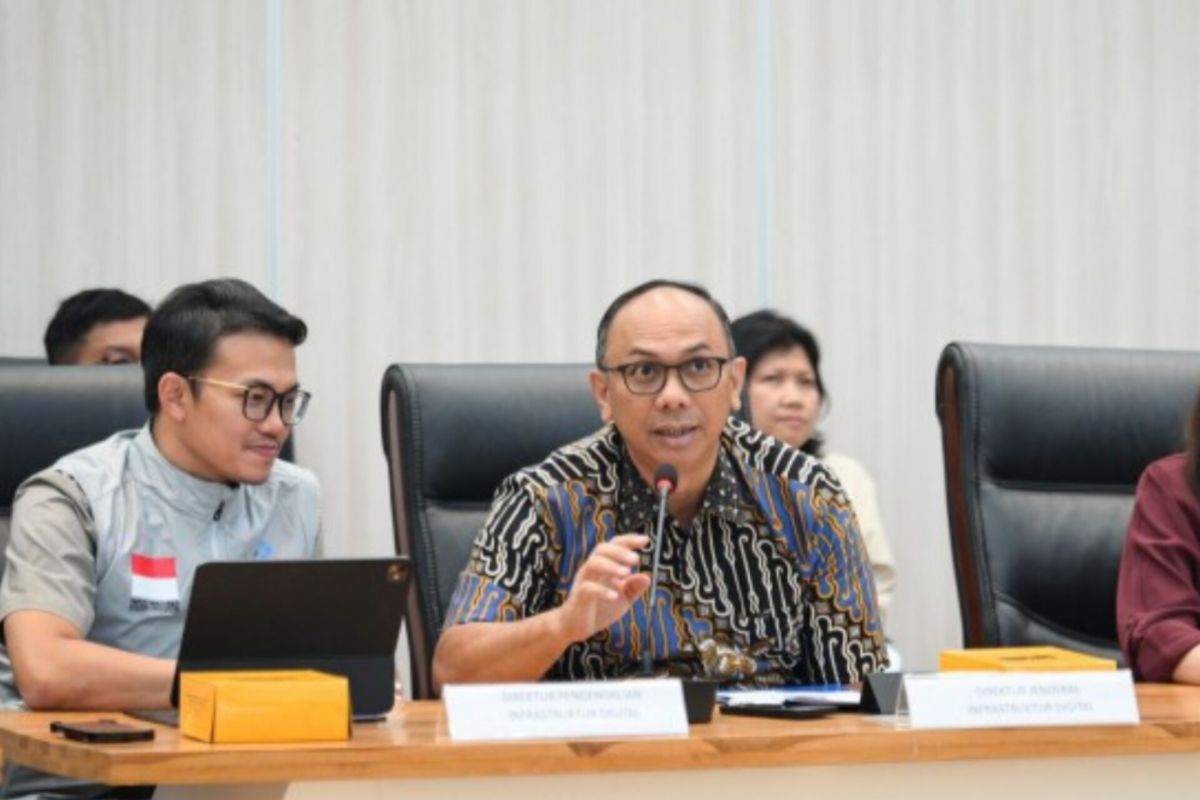
Jakarta (ANTARA) - The Ministry of Communication and Digital Affairs (Kemkomdigi) has conveyed the results of its evaluation regarding telecommunications services during the Ramadhan and Idul Fitri (RAFI) 2026 period, which were deemed stable thanks to collaborative monitoring between the Government and telecommunications service providers. This was stated by Director General of Digital Infrastructure Wayan Toni Supriyanto while closing the RAFI 2026 Command Post. “During the RAFI 2026 Command Post operation period, no major disruptions occurred. This is the result of joint efforts maintained 24 hours a day,” Wayan said in his statement received in Jakarta on Friday. The evaluation indicated that national connectivity remained stable despite traffic spikes. The highest download speed reached 112.16 Mbps on 20 March, and the highest upload speed was 54.26 Mbps on 30 March. In the RAFI 2026 Command Post, the Ministry of Komdigi conducted assessments based on service quality measurements across five agreed criteria with all operators. Overall, all mobile operators — Telkomsel, Indosat Ooredoo Hutchison, and XLSmart — demonstrated performance in the very good to excellent categories. The Ministry of Komdigi also recorded 33 service disruptions at several main command post locations. All disruptions were handled quickly without spreading and without significantly affecting public activities. The Ministry of Komdigi obtained additional data from crowdsourced sources such as Sigmon, Open Signal, and Ookla to serve as the basis for telecommunications service measurements. Based on this data, there were 14,344 tickets deemed to have unsatisfactory results, and each operator was required to promptly follow up on handling them within less than 3 hours. All operators proactively responded to the tickets and carried out mitigation measures. In general, the performance of telecommunications providers during RAFI 2026 showed improvement compared to previous years. In addition to mobile networks, Wayan also highlighted achievements in intensive radio frequency spectrum monitoring during the RAFI 2026 period. A total of 31,682 operational frequencies were monitored to safeguard vital services, including transportation safety systems. “This frequency monitoring is crucial as it directly relates to public travel safety,” Wayan stated. The evaluation also confirmed no misuse of illegal devices such as fake BTS on migration routes. This serves as an indicator of increasingly stringent spectrum space control. The RAFI 2026 Command Post operated from 13 to 30 March 2026, supported by 35 monitoring posts and 9 main posts at strategic national locations. The results of this evaluation will form the basis for the Ministry of Komdigi’s next steps. The next focus is to enhance network readiness at points vulnerable to traffic spikes, accelerate disruption responses, and strengthen monitoring of potential threats in the digital space and frequency spectrum. This affirmation demonstrates a policy direction that is more assertive, ensuring that telecommunications services remain stable with strict oversight to guarantee public connectivity remains secure during every important moment.