
Tawur Agung at Prambanan Becomes a Moment for Harmony and Reflection
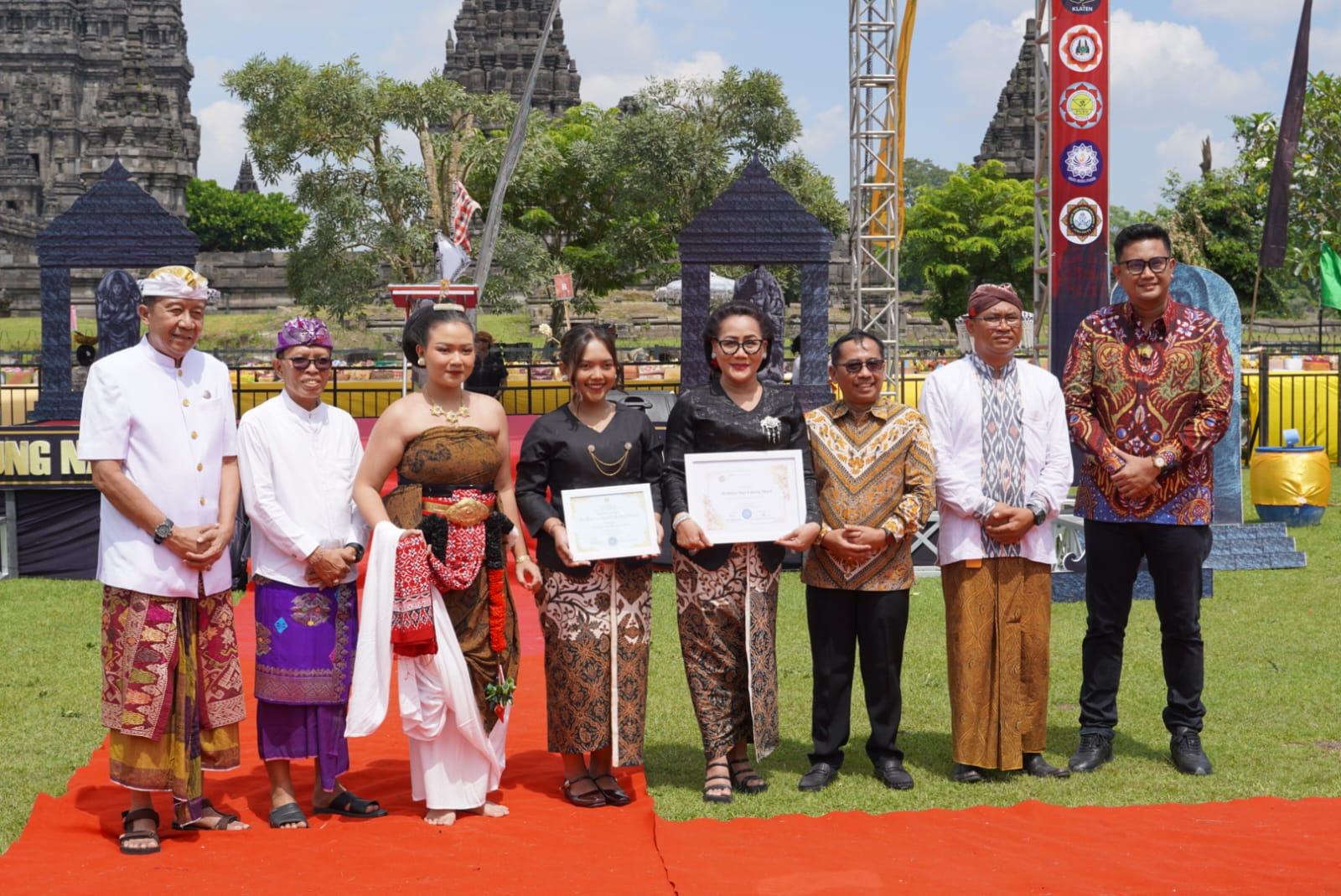
Thousands of Hindus from various parts of Indonesia filled the Prambanan Temple courtyard on Wednesday (18/3) for the peak of the Tawur Agung ceremony, part of the series of events for the Holy Day of Nyepi in the Saka 1948 year. Around 20,000 devotees attended the solemn sacred ritual.
The event was also attended by several national and regional figures, including the Chairman of the Central PHDI, representatives of the Central Java Governor through the Head of the Culture Office, the National Dharma Shanti Chairman, the Regent of Klaten, officials from the Central Java and Yogyakarta Religious Affairs Ministry Regional Offices, and leaders of Hindu community organisations. The presence of these various elements reflects the synergy between the government and the faithful in safeguarding religious and cultural values.
In his dharma talk, Prof. I Nengah Duija, Director General of Hindu Community Guidance at the Ministry of Religious Affairs, emphasised the profound meaning of the Tawur Agung implementation as part of Hindu spiritual teachings.
“Tawur Agung is a yajña ceremony that is not merely a ritual, but a tangible form of purifying the universe and an effort to harmonise human relations with nature, fellow humans, and Sang Hyang Widhi Wasa,” said Prof. I Nengah Duija.
He explained that Tawur Agung also represents humanity’s responsibility towards nature after utilising life’s resources for a year.
“Balance is not a choice, but a necessity. Tawur Agung is a form of moral responsibility of humans to nature through sacred offerings,” he stressed.
According to him, the implementation of Tawur Agung in the Prambanan Temple area holds both strategic and spiritual value, given that the area is one of the centres of Hindu civilisation in the Archipelago.
“Prambanan is not just a historical site, but a sacred space that connects humans with the universe, a symbol of the unification of national spiritual and cultural aspects,” he stated.
Furthermore, Prof. I Nengah Duija urged the faithful to interpret Tawur Agung contextually in facing modern-era challenges, especially regarding environmental and social issues.
“Tawur Agung teaches spiritual ecology, social solidarity, and personal integrity. This becomes a civilisational strategy in facing environmental and social crises in the modern era,” he revealed.
He also invited all Hindus to use this moment as a point of reflection to strengthen environmental care and tighten brotherhood.
“Let us make Tawur Agung a turning point to appreciate nature more, strengthen cross-cultural brotherhood, and build lives based on dharma,” he concluded.
Tawur Agung is an important part of the Nyepi celebration series that will reach its peak in the Catur Brata Penyepian implementation. Through that moment of silence, Hindus are invited to conduct self-introspection to achieve inner peace and harmony with the universe.
With the participation of tens of thousands of devotees and support from various parties, the Tawur Agung implementation in Prambanan not only becomes a religious ritual, but also a symbol of strengthening spirituality, unity, and commitment to maintaining life’s balance amid the dynamics of the times.