
Task Force Chief Tito Emphasises Private Sector Collaboration as Evidence of National Resilience and Social Responsibility
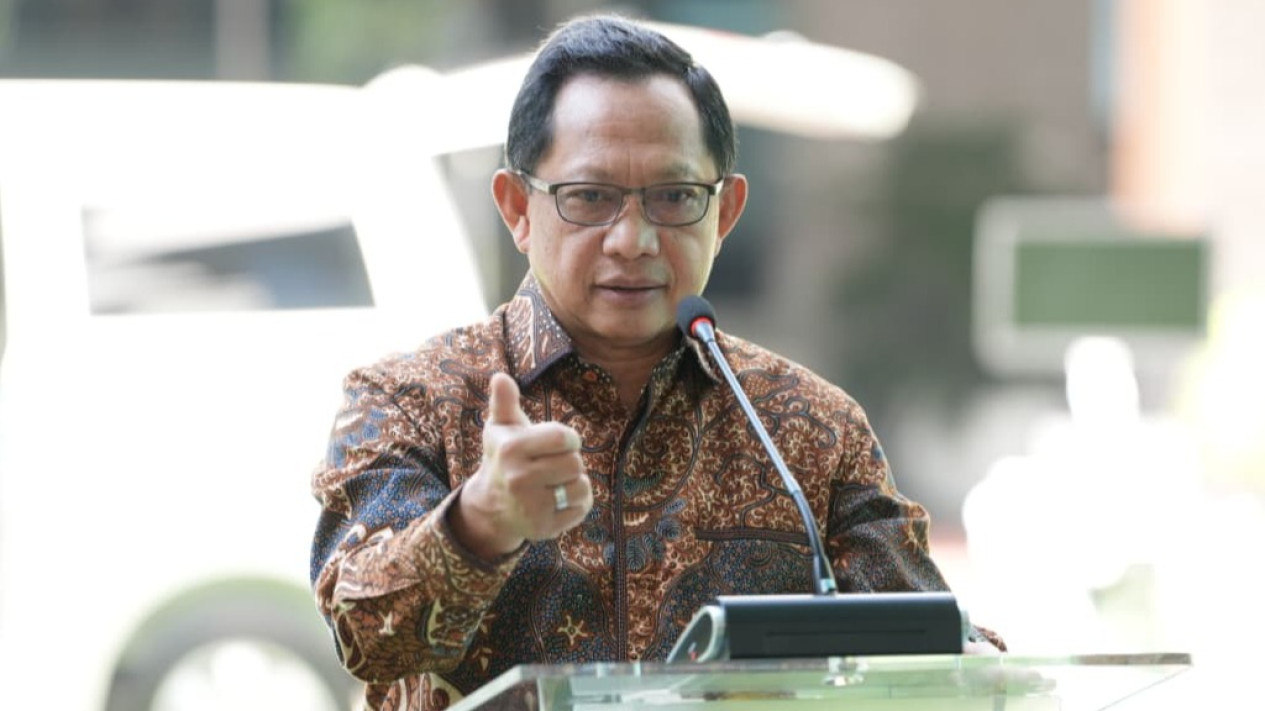
Jakarta – Indonesia’s Interior Minister (Mendagri) and Chairman of the Task Force for the Acceleration of Post-Disaster Rehabilitation and Reconstruction (PRR) for Sumatra Muhammad Tito Karnavian has stressed that the donation of ambulances from the private sector through the Ministry of Health (Kemenkes) demonstrates the strength of national resilience and social responsibility.
This statement was delivered by Tito during the handover of ambulance aid to disaster-affected regions, held at the Kemenkes office in Jakarta on Thursday, 12 March 2026. On this occasion, 31 ambulances and various medical equipment from the private sector were handed over to Regional General Hospitals (RSUD) and Community Health Centres (Puskesmas) in disaster-affected areas.
According to Tito, support from the non-government sector is crucial in accelerating post-disaster recovery. He assessed that collaboration between central government, regional authorities (Pemda), and various other parties reflects the strength of Indonesia’s national resilience in facing disasters. “Because we are handling this major disaster with our own national strength,” Tito said.
He further noted that the involvement of the business sector in providing assistance also demonstrates high levels of social responsibility and the spirit of mutual cooperation in helping affected communities. The donors providing the ambulance aid are PT Astra International Tbk, PT Indomobil Trada Nasional, and Yayasan Imeco Bhakti Nusa.
Additionally, Tito appreciated the swift action taken by Kemenkes in restoring healthcare facilities (faskes) in disaster-affected areas. He explained that most hospitals and Puskesmas have returned to operating in relatively short timeframes following the disaster. “Because the Health Minister went down to the field directly, and also sent volunteers, I encountered many of them, even in mountainous areas, and that has been very helpful,” he said.
Furthermore, the government still aims to complete the restoration of several healthcare facilities at village level. Based on available data, there remain auxiliary health centres (pustu) still undergoing treatment.
Beyond focusing solely on healthcare facility recovery, the government is also paying attention to health workers (nakes) affected by the disaster. Tito emphasised the importance of accelerating the distribution of aid to health workers so they can continue to focus on providing services to the community.
“So that health workers are willing to help the community without worrying about themselves, having already dealt with their own needs [through aid received], that’s roughly the idea,” he said.