
Task Force Accelerates Rehabilitation of Disaster-Affected Ponds and Cages in Sumatra
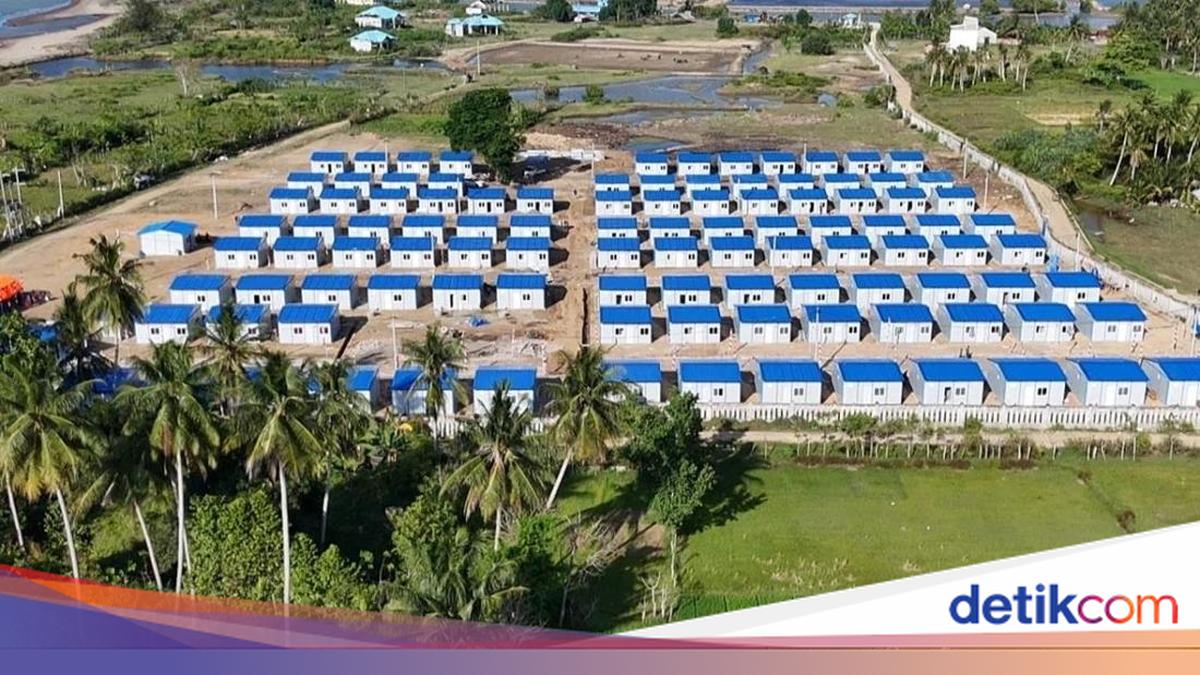
The Task Force for Accelerating Rehabilitation and Reconstruction (Satgas PRR) following the Sumatra disaster continues to expedite the recovery of the community’s economic sector, including the rehabilitation of ponds and cages affected by the disaster in the regions of Aceh, North Sumatra, and West Sumatra.
Data from the Ministry of Marine Affairs and Fisheries (KKP) records a total affected pond area of 31,248.94 hectares across the three provinces. The breakdown shows Aceh Province as the most severely impacted area with 30,417.17 hectares, followed by North Sumatra with 575.27 hectares, and West Sumatra with 255.90 hectares.
In addition, 2,053 cage units were also affected, with the largest distribution in Aceh at 1,953 units, followed by West Sumatra with 60 units, and North Sumatra with 40 units.
The significant impact makes the aquaculture sector one of the main focuses in post-disaster recovery, given that this sector serves as the backbone of the community’s economy, especially in coastal areas.
Head of Satgas PRR Muhammad Tito Karnavian stated that they have included pond revitalisation in the priority agenda for recovery.
“Ponds were affected, such as those for shrimp and milkfish, particularly in Aceh’s coastal areas. Currently, they are being surveyed by the Minister of KKP, and after Eid, they will be directly inspected to accelerate handling,” said Tito in a written statement on Monday (30/3/2026).
Tito added that the recovery of the pond sector does not only focus on physical land repairs but also ensures that production activities and the community’s economic chain can resume.
Previously, Minister of Marine Affairs and Fisheries Sakti Wahyu Trenggono stated that affected aquaculture ponds have been identified and rehabilitation steps will be carried out immediately. The ponds and cages include commodities such as shrimp, milkfish, snapper, grouper, catfish, tilapia, carp, and patin.
“Revitalising ponds is a priority so that aquaculture production can recover quickly and the community can resume their efforts,” said Trenggono.
In the acceleration process, the government also relies on by name by address (BNBA)-based data collection from local governments. To date, most regencies/cities have submitted data, although some areas still need to speed up reporting so that the revitalisation process can be carried out optimally.