
Targeting Asphalt Self-Sufficiency, Minister of Public Works Pushes A30 Scheme Through Market Mechanisms
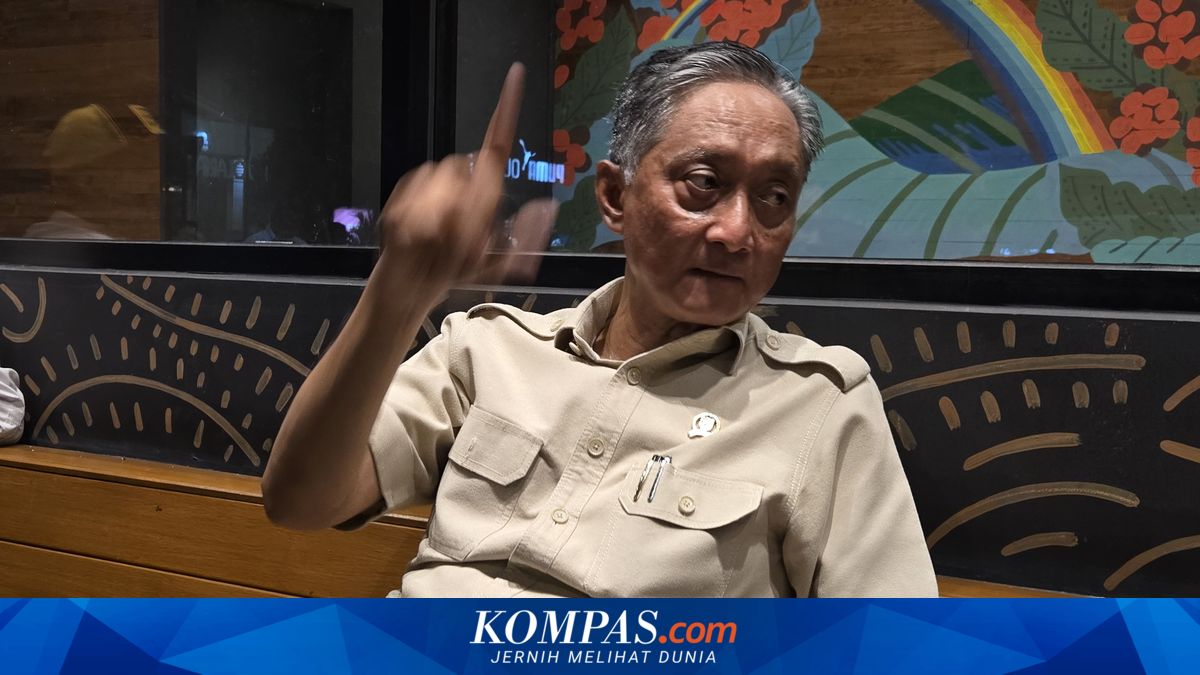
JAKARTA, KOMPAS.com - Despite the national asphalt requirement reaching 1 million tonnes per year and predicted to surge to 1.5 million tonnes in the future, ironically, up to 80% is still supplied by imported petroleum-based products. Meanwhile, the abundant asphalt reserves from Buton Island (Asbuton) are only absorbed at around 4%. Following President Prabowo Subianto’s directives, the Ministry of Public Works is now promoting self-reliance in construction materials through the optimisation of Asbuton, but with a strategy different from its predecessors. In his analysis, Dody stated firmly that he does not wish to repeat past policies that tended to force absorption through rigid methods. Old strategies such as setting prices or “stockpiling” materials without clear market absorption were deemed to only create new problems for state finances and industry sustainability. “I prefer using market mechanisms. I don’t want to follow the previous fighters, using rubber, stockpiling, or price controls, then it all becomes my problem if it’s not used later,” Dody said in response to Kompas.com questions on Thursday (2/4/2026). Dody’s target is for Asbuton to enter the national road construction supply chain at a minimum of 30%, known as the A30 scheme. This scheme adopts the success of biodiesel downstreaming from B10 to B50, which has proven effective in reducing reliance on fossil energy. One sharp criticism from Dody concerns the quality paradox. China, known for its very high road infrastructure standards, actually imports Asbuton from Indonesia for use as their primary aggregate. “This product, Buton asphalt, actually becomes the primary aggregate in major countries whose road quality is far better than ours. For example, in China, they import from us. If a country as large as China can and succeeds, why can’t Indonesia?” he stated. Dody emphasised that if the basic regulations are harmonious and the industry ecosystem is formed, research and development or R&D will proceed naturally alongside the massive use in the field. Unfortunately, bureaucratic constraints remain a real obstacle being addressed. The Minister of Public Works revealed that drafts of the Ministerial Decree (Kepmen) and Ministerial Regulation (Permen) regarding the use of Asbuton had been held up for quite some time.