
Target Zero Waste 2029: What Must Be Done?
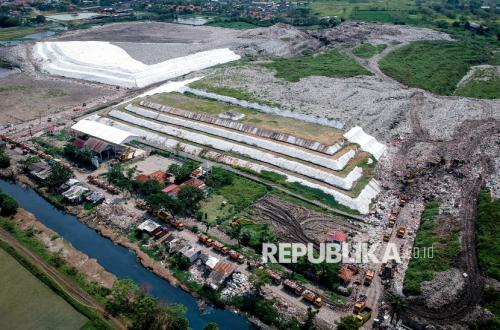
The government is targeting zero waste in national waste management by 2029. However, this target is deemed achievable only if waste sorting is strengthened and the practice of open dumping is halted.
Environment Minister Hanif Nurofiq stressed that improvements in waste governance must begin with the quality of waste from the outset. Without sorting, various downstream processing technologies will not function optimally.
According to Hanif, technologies such as refuse-derived fuel and waste-to-energy heavily depend on sorted and homogeneous waste. If the waste remains mixed, processing costs will rise, and the risk of operational disruptions will increase significantly.
“Downstream technologies require high-quality waste. This includes RDF. If the waste is mixed, the costs will be extremely high,” said Hanif on Tuesday (21/4/2026).
He explained that mixtures of materials, such as glass in the waste, can damage shredding machines and hinder the production process of alternative fuels. This situation makes it difficult to achieve processing efficiency.
Therefore, the government emphasises waste sorting as a mandatory step. Organic and inorganic waste must be separated at the source to improve the quality of raw materials for processing.
“High-quality waste means that organic waste should not be brought there; only inorganic waste should be temporarily stockpiled in that location,” said Hanif.
On the other hand, the construction of waste-to-energy facilities in various regions still requires time. The government estimates that these facilities can operate at the earliest in three years.
“It will still take at least three years to become operational,” said Hanif.
During the transitional period, the government is asking regions to focus on reducing organic waste to landfills and preparing inorganic waste as raw materials for processing. This step is considered important to keep the waste management system running before the facilities are ready for use.