
Tarawih Prayer Without Ba'diyah Isya: What's the Ruling?
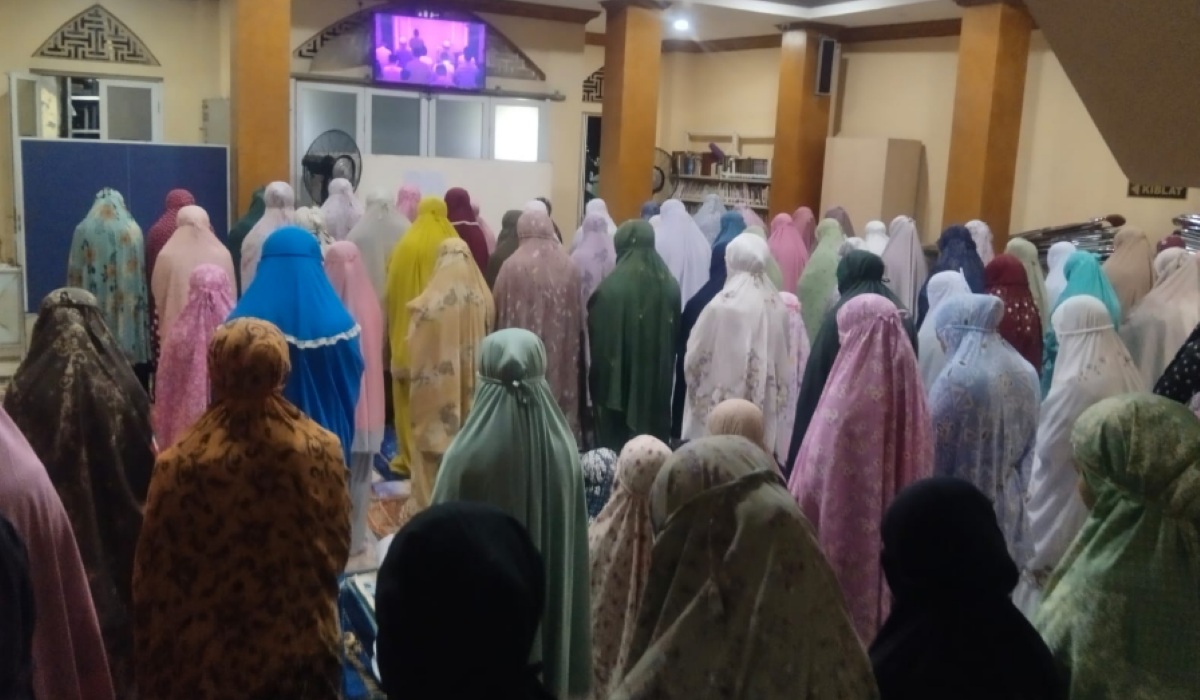
Ramadan always brings an extraordinary spirit of worship for Muslims. One of the most anticipated acts of worship is Tarawih prayers in congregation at the mosque. However, in practice, worshippers often follow the imam and start Tarawih immediately after the Isya prayer is completed, thereby skipping the Ba’diyah Isya sunnah.
So, what is the ruling if someone performs Tarawih but does not perform Ba’diyah Isya? Is their Tarawih prayer still valid? See the explanation below.
In fiqh, performing Tarawih without first performing the Ba’diyah Isya sunnah is permissible and Tarawih remains valid. This is because both are independent sunnah acts. There is no condition for Tarawih to require performing the Rawatib Sunnah (Ba’diyah Isya) first. As long as one has completed the obligatory Isya prayer, the time for Tarawih has begun.
Although permissible, scholars note important points about the relative virtue (afdhal) between the two prayers. In the Shafi’i madhhab, the Sunnah Rawatib (including Ba’diyah Isya) has a higher status than Tarawih. Why is that? Here are the reasons:
Therefore, omitting Ba’diyah Isya in order to pursue Tarawih is regarded as a spiritual ‘loss’ because the congregation gives up a greater reward for a reward whose rank, though substantial, is lower than the Rawatib.
Is it permissible to perform Ba’diyah Isya after Tarawih? Yes. The time for Ba’diyah Isya begins after the Isya prayer and continues until before the time of Fajr.
Does Tarawih have to be performed in congregation? No, Tarawih is a Sunnah Mu’akkadah and may be performed individually (munfarid) at home.
Ba’diyah Isya is performed in two rak’ahs.
- If the imam has already started Tarawih, should I perform Ba’diyah first or Tarawih first? It is preferable to perform Ba’diyah first because its reward is greater. You can catch up with the Tarawih congregation in the next rak’ah.