
Tarawih Prayer Did Not Exist in Prophet Muhammad's Time: The Term's Origins Explained
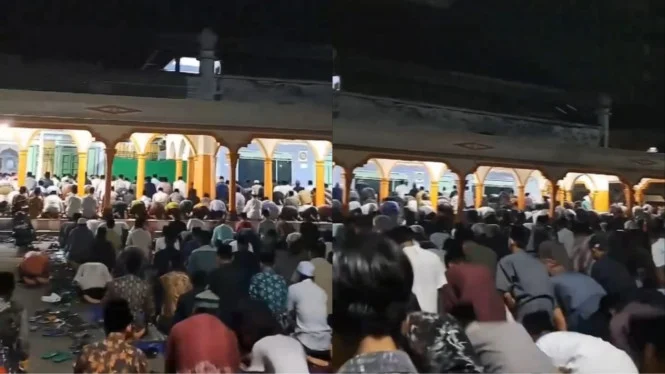
The term Tarawih prayer, synonymous with Ramadan night worship, was not known during the time of the Prophet Muhammad. Historical research shows that in the early period of Islam, this form of worship was known as Qiyam Ramadan.
The history of the term is explained by KH Ahmad Zarkasih in his book Sejarah Tarawih (History of Tarawih). The book notes that Tarawih is the plural form of the Arabic word tarwiih, meaning rest or repose.
During the Prophet’s lifetime, Ramadan night worship was not called Tarawih but rather Qiyam Ramadan, meaning to enliven the nights of Ramadan with worship. This designation continued to be used during the caliphate of Abu Bakar As-Shiddiq.
The change in terminology began to emerge during the caliphate of Umar bin Khattab. According to several narrations, Umar organised the performance of Ramadan night prayers in congregation and appointed Ubai bin Ka’ab as the imam.
A narration cited from the book Qiyam Ramadan by Imam al-Marwadzi explains that the prayers were performed with rest intervals after every two cycles (rakaat). The congregation was given time to rest, perform ablution, or attend to other needs before continuing with the next cycles.
It was this practice of repeated rest intervals that gave rise to the term Tarawih. If the prayer comprised 18 cycles, there would be nine instances of tarwiih (rest). If 20 cycles were performed, the number of rest breaks could reach ten, not including the witir prayer.
Over time, the term Tarawih became widely adopted by Islamic scholars to refer to the voluntary night prayer during Ramadan. The name directly reflects the characteristic manner of its performance, interspersed with numerous rest periods.
Today, Tarawih has become the standard term across the Muslim world, including in Indonesia, to refer to the night prayer performed throughout the holy month of Ramadan.