
Tanker Ships Can Now Pass Through the Strait of Hormuz
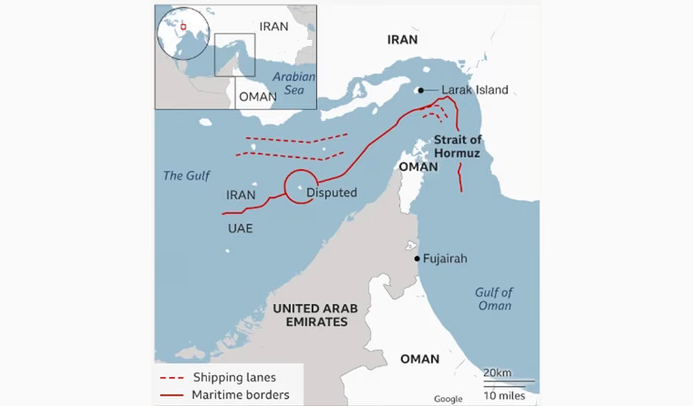
The United Nations Conference on Trade and Development (UNCTAD) and maritime intelligence firm Windward have noted that more ships are beginning to pass through the Strait of Hormuz, but traffic in this strategic waterway remains far below pre-war normal levels amid the ongoing conflict between the US-Israel and Iran.
On Thursday (2 April), Windward stated that 16 ships passed through the Strait of Hormuz on 1 April, up from 11 vessels the day before. The number of ships crossing the strait has increased for three consecutive days.
The company noted that all 16 ships used the route via Larak Island, described as a permit-based corridor close to Iran’s coastline.
“Ships subject to Western sanctions accounted for 62 percent of the transits on 1 April, as Iran’s shadow tanker fleet enters to prepare for further loading,” it noted.
This pattern indicates that more countries are negotiating with Iran to secure routes for ships through the Strait of Hormuz, increasing the likelihood that transit volumes could rise further in the coming days, according to Windward.
Despite the increase, traffic through the strait is still far below normal levels. UNCTAD stated that ship transits through Hormuz fell from around 130 ships per day in February to just six in March.
The approximately 95 percent drop in traffic in the Strait of Hormuz underscores the real disruptions since the conflict began with the joint US and Israel attack on Iran on 28 February 2026.
The Strait of Hormuz is one of the world’s most important maritime routes, through which around a quarter of global seaborne oil trade passes, along with significant volumes of liquefied natural gas and fertiliser.
Around 20 million barrels of oil formerly passed through the strait each day, before Iran imposed a blockade and took control of the Strait of Hormuz in response to the US-Israel attack.