
Tangerang City Council Urges Mapping of Migrants' Origins to Curb Urbanisation
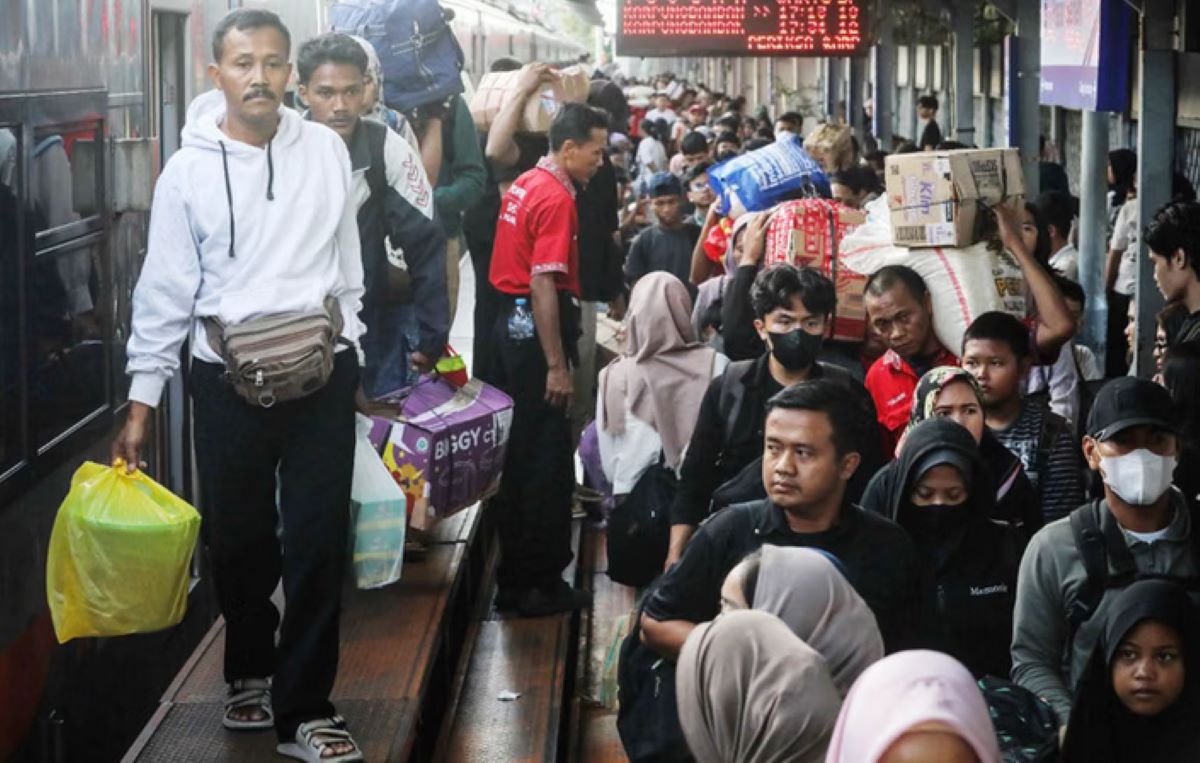
The Regional People’s Representative Council (DPRD) of Tangerang City is urging the Tangerang City Government (Pemkot) to carry out a comprehensive mapping of the origins of new migrants. This step is considered crucial as a basis for formulating sustainable and data-based urbanisation policies.
Deputy Chairman of the Tangerang City DPRD, Arief Wibowo, stated that this mapping could serve as an entry point for coordination between local governments. The aim is for Pemkot Tangerang to initiate programmes to develop production centres in the migrants’ home regions, particularly for commodities needed in the local Tangerang market.
Arief explained that this cross-regional synergy could create a two-way solution that benefits all parties. “For example, if many migrants come from agricultural commodity centres such as rice, a new production centre could be initiated in that area to absorb local labour,” said Arief in his official statement on Thursday (26/3).
He added that such a cooperation scheme would not only help Tangerang City obtain commodity supplies at competitive prices but also curb the rate of urbanisation by creating jobs in the migrants’ home areas.
“On one hand, Tangerang City gets the needed commodity supplies, and on the other hand, the migrants’ home regions can ensure their residents have jobs, so they do not need to urbanise,” he said.
Administrative Requirements and Mandatory Reporting
In addition to focusing on macro policies, the DPRD also reminds prospective migrants to have thorough preparations before deciding to move to Tangerang City. This includes certainty of residence and employment to maintain orderly population administration.
“New migrants must have clear future plans, whether they will become permanent residents or temporary ones. If they are going to work, they should already have clarity on their workplace,” Arief stressed.
On the other hand, supervision mechanisms at the neighbourhood level are also highlighted. Every new migrant is required to report to the local RT and RW administrators as an initial accurate data collection step.
“I urge all new migrants to comply with the mandatory reporting requirement to the RT and RW, so that the presence of new migrants can truly be recorded by the RT and RW heads in the local neighbourhood,” he added.