
Tale of Central Tapanuli Flood Victim Hunting for Affordable Eid Clothes for Her Children
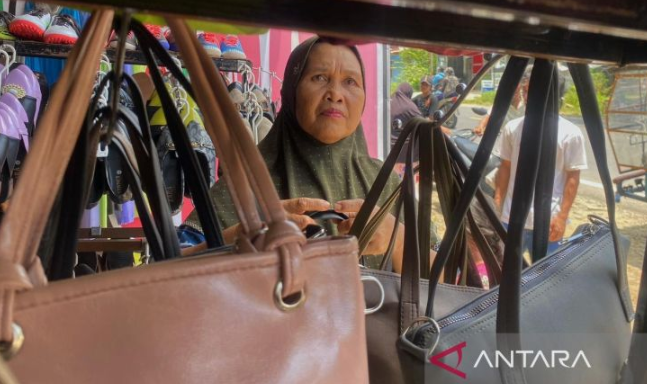
At a small stall in Sarudik District, Daini, 42, stands transfixed before a pile of clothing. Her rough hands, calloused from work washing motorcycles, carefully feel the fabric of brightly-coloured Islamic garments. Her thoughts momentarily drift to the dark night when a flash flood swept through her home in Pandan, leaving behind mud and carrying away nearly all the contents of her wardrobe.
“Ninety per cent of our clothes were swept away by the water,” she recalls in a quiet but steadfast voice.
However, for Daini, whilst disaster may have taken her possessions, it cannot take away her children’s happiness. Amidst the process of rebuilding their lives from scratch in a new rented dwelling, she sets aside every rupiah from her motorcycle-washing business with her husband for one goal: to buy new clothes for her three children on Eid al-Fitr 1447 Hijriah.
Daini is not alone. Clothing stalls in Sarudik, North Sumatra, now bear silent witness to the resilience of disaster survivors in Central Tapanuli. Amidst their limitations, they flock to shops offering affordable prices. One of the main attractions is a sign reading “35,000 rupiah for three pieces of clothing”.
For some people, Eid clothes may be merely a matter of style. However, for Daini and other survivors, new clothes are a symbol of hope and a “right” that parents must fulfil for their children, even when circumstances are unfavourable.
“Even in the midst of this disaster, when we have income, there is nothing wrong with buying our children new clothes,” says Daini, smiling faintly as she finally selects an outfit for her youngest child.
The 2026 Eid season in Central Tapanuli indeed feels different this year. There is no luxury, only the sincerity of a mother determined to ensure that on the day of victory, her children will no longer wear the faded remnants of clothes damaged by flood waters.
Kusuma, a clothing shop attendant in Sarudik, acknowledges a surge in customers since seven days before Eid. The majority of visitors are disaster survivors seeking affordable clothing, from Islamic garments to footwear.
“The influx of customers has already begun, with most purchasing children’s and adults’ clothing,” says Kusuma.