
Taiwan Rejects China's Energy Aid Offer, Labels Beijing's Proposal as Cognitive Warfare
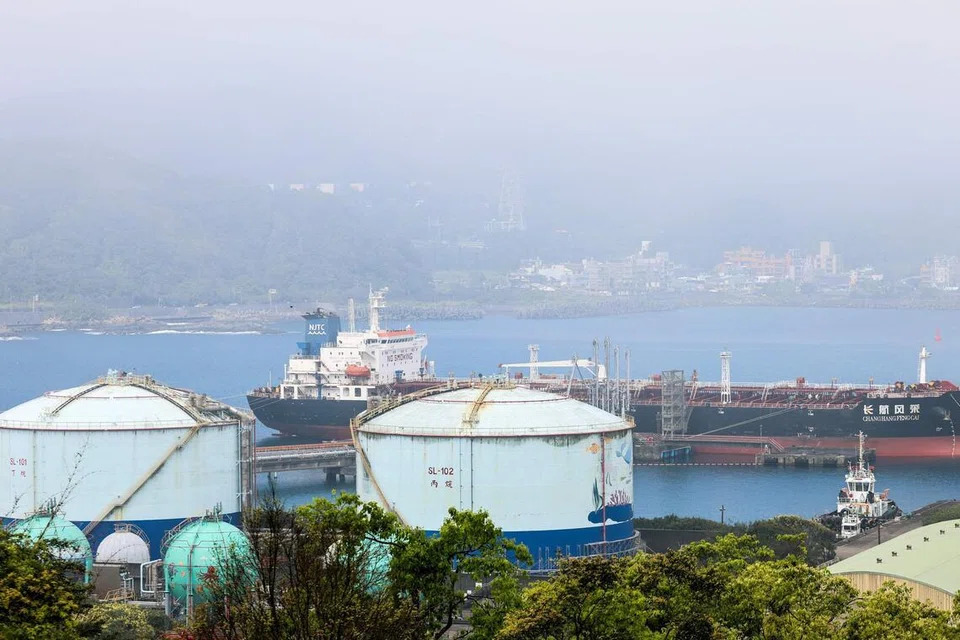
The Taiwanese government has firmly rejected an offer of energy resilience assistance from China amid uncertainties in the global energy market due to the war in the Middle East. Taipei views the offer not merely as economic aid, but as part of cognitive warfare or psychological pressure to steer public opinion towards reunification, according to The Straits Times on Thursday (19/3).
Taiwan’s Deputy Economy Minister, Ho Chin-tsang, stated during a parliamentary session that accepting Beijing’s offer is impossible. This response addressed claims by Chen Binhua, spokesperson for Beijing’s Taiwan Affairs Office, on Wednesday (18/3), who stated that “peaceful reunification” would provide Taiwan with energy security protection supported by a “strong motherland”.
Amid threats of disruptions to liquefied natural gas (LNG) supplies from Qatar—which accounts for a third of Taiwan’s gas supply—Taipei has chosen to strengthen partnerships with the United States.
“Regarding energy, we have made preparations. We have safety reserves and a well-thought-out response plan,” said Ho Chin-tsang in front of legislators. This move also reinforces Taiwan’s position of not relying at all on energy supplies from mainland China.
Beijing’s offer of energy assistance is viewed sceptically by many, especially after China—the world’s largest oil importer—announced a ban on fuel exports until the end of March 2026 to secure its domestic needs. In 2025, the value of China’s fuel exports reached US$22 billion.
Beijing has consistently offered the concept of autonomy under “one country, two systems” with promises of economic support post-reunification. However, this proposal has been consistently rejected by all major political parties in Taiwan. Taipei insists that only the people of the island have the right to determine their own future.
This rejection is also triggered by narratives in Chinese state media, Xinhua, which previously outlined economic benefits if Taiwan were managed by groups they call “patriots”. On the other hand, Beijing has never relinquished the option of using military force to bring Taiwan under its control, keeping tensions in the Taiwan Strait at a high level amid current global geopolitical turmoil.