
Tackling Illegal Vapes: Britain's Track-and-Trace Tax-Stamp System Could Serve as a Reference for Indonesia
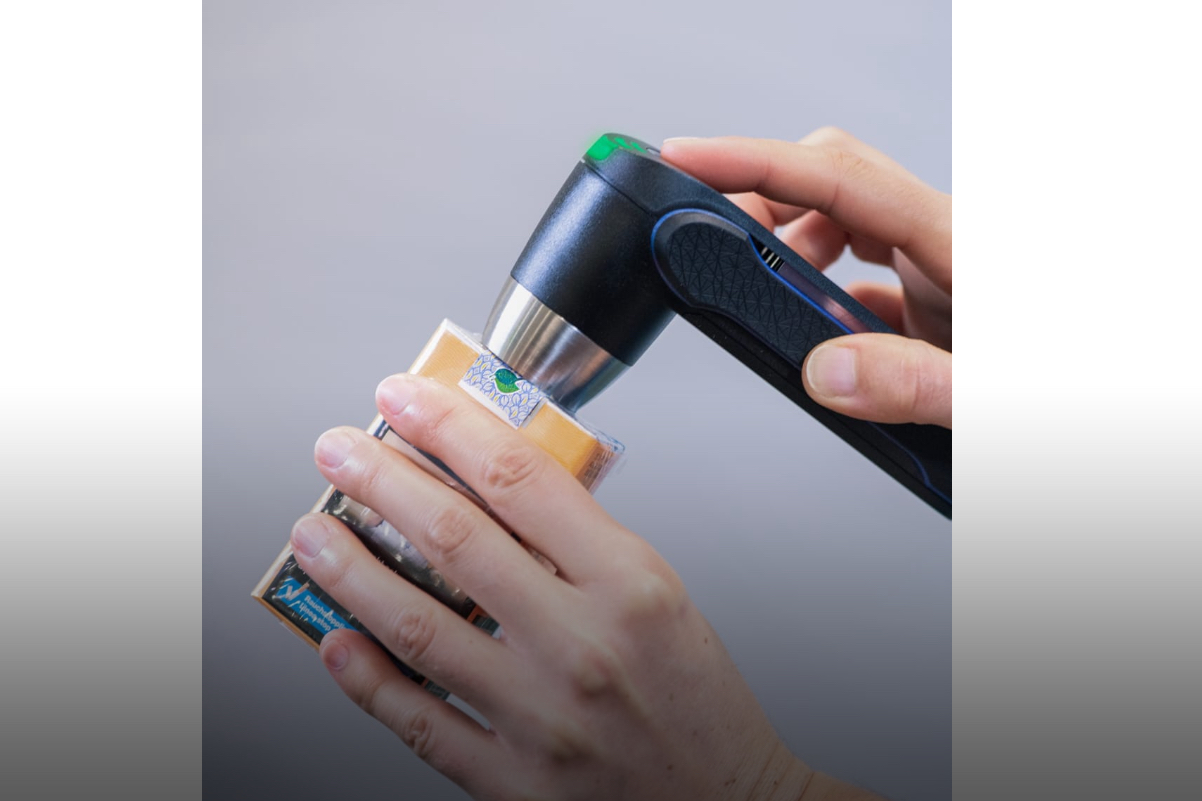
Tax-stamp systems with integrated track-and-trace technology are not new. Since 2005, these systems have been widely adopted around the world, including in the United States, in the states of California, Michigan and Massachusetts.
Recently, Britain’s HM Revenue and Customs (HMRC) has strengthened its cooperation with SICPA, the global provider of verification technology. HMRC’s confidence reinforces SICPA’s role in safeguarding public revenue through strict product oversight.
SICPA CEO Philippe Amon, in a late-February press release, said he was proud to support HMRC in protecting the market from illicit trade. Cartor Managing Director Andrew Brigham echoed the sentiment. ‘By combining complementary strengths, this collaboration yields a solution that can be trusted by the vape market in the United Kingdom, while supporting the Government’s efforts to protect consumers and secure revenue,’ Brigham said.
In Indonesia, tax stamps remain a primary enforcement tool. Through PER-15/BC/2024, the Directorate General of Customs and Excise (DJBC) has set the technical specifications for the 2025 tax stamps, including for electronic cigarettes or vapes.
The urgency of oversight has become more apparent given the sharp rise in vape tax receipts. In 2024, vape tax receipts reached Rp2.65 trillion, up 43.7% from the previous year.
However, growth is shadowed by the widespread circulation of illegal products. For example, the destruction of illegal vape liquids in Yogyakarta recently recorded estimated tax losses of up to Rp2.58 billion.
The model used in the UK is highly likely to be adaptable to the characteristics of the national industry. The key lies in effective monitoring from the production line. If there is a tracking element, what is the minimum data that would be most relevant and realistic to ensure monitoring is more focused, effective, and without imposing excessive administrative burdens. (P-4)
Batam Customs successfully thwarted two smuggling attempts in one day, including around 475 grams of narcotics and 96 bottles of illegal alcohol without tax stamps. The potential state revenue foregone from those goods stood at Rp8.9 billion.
Semarang Customs thwarted the distribution of millions of illegal cigarettes at the Ungaran rest area KM 429 B on the Semarang-Solo toll road on Friday (18 October).
Langsa Customs again demonstrated its commitment to fighting illegal cigarettes by intercepting shipments of one million cigarettes without tax stamps.
The Indonesian National Narcotics Agency (BNN) has recommended banning the use of electronic cigarettes (vape) in Indonesia because 23.97% of liquid samples contained narcotics, with potential for abuse in drug use.
Bali Provincial Narcotics Agency (BNNP Bali) seized hundreds of vape liquids used for electronic cigarettes because they contained narcotics.
U.S. research shows that vape aerosols contain harmful substances such as fine particles, heavy metals, and volatile organic compounds that can be inhaled.
BRIN’s study released in November 2025 becomes an important early reference in strengthening the scientific basis for tobacco control policies.
Indonesia is currently facing a rising number of smokers, with a prevalence of 7.2% of the population.