
Systematic Barn Sanitation: Key to Preventing Zoonosis Among Livestock Farmers
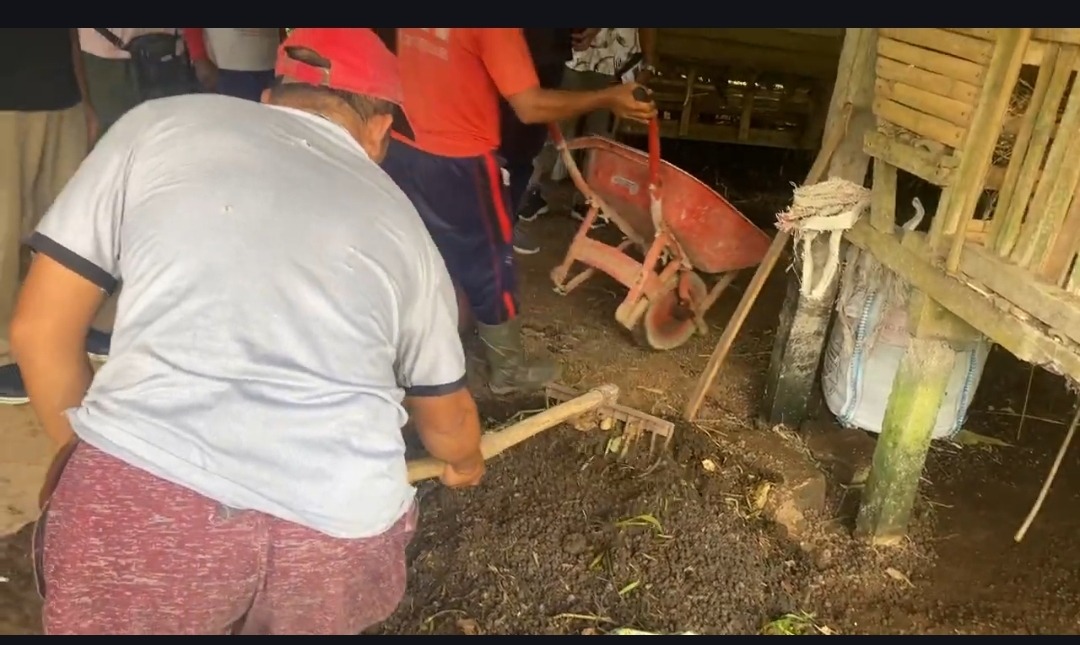
The risk of disease transmission from animals to humans, or zoonosis, remains a real threat at the level of small-scale livestock farming. Lack of understanding in waste management and regular physical cleaning makes barns a breeding ground for pathogens that endanger both livestock and farmers themselves. Systematic barn sanitation is key to breaking the transmission chain.
This was stated by academician from the Faculty of Agriculture, Science, and Technology at Universitas Warmadewa (Unwar), Dr. I Gusti Agus Maha Putra Sanjaya, during confirmation on Saturday (30/5/2026). According to Agus, barn sanitation is not merely a routine of cleaning waste, but a systematic process including physical cleaning, disinfection, liming, and measured waste management.
“These measures aim to kill pathogens such as bacteria, viruses, and parasites. A comfortable barn environment not only prevents stress in livestock that can reduce productivity, but crucially protects farmers from zoonosis risks,” said Agus.
Awareness and the implementation of systematic sanitation have been directly disseminated to the community through a Community Service (PKM) activity in Apuan Village, Baturiti Subdistrict, Tabanan Regency, Bali, which has been ongoing since last week.
In field implementation, Agus outlined five key components that farmers must diligently apply. First, regular physical cleaning of leftover feed and feed/water containers. Second, disinfection via antiseptic spraying to suppress microorganisms. Third, liming damp barn floors to kill bacteria and fungi. Fourth, waste management to prevent manure accumulation. Fifth, maintaining cleanliness of drainage channels around the barn.
These preventive measures have been directly adopted by the Galang Kangin Goat Farming Group in Apuan Village, Baturiti Subdistrict, Tabanan Regency, which has 25 members. Group chairman I Ketut Sandita Yasa acknowledged that the main challenge for traditional farmers has been the accumulation of goat manure waste, which leads to high ammonia levels.
To complement the sanitation system, goat manure waste is processed into solid organic fertilizer (compost) using fermentation technology with the help of the Biomi bioactivator. This process eliminates heat and ammonia odours while breaking down complex organic matter into plant nutrients (N, P, K) ready for soil absorption, providing additional economic value for the farming group.
Through strict sanitation and proper waste management, rural livestock areas are expected to produce safe, high-quality animal products while creating a healthy work environment free from disease transmission threats for local farming communities. (H-2)