
Symmetrical versus Asymmetrical: Why the Great Power of the US and Israel Remains Trapped by Iran's Strategy?
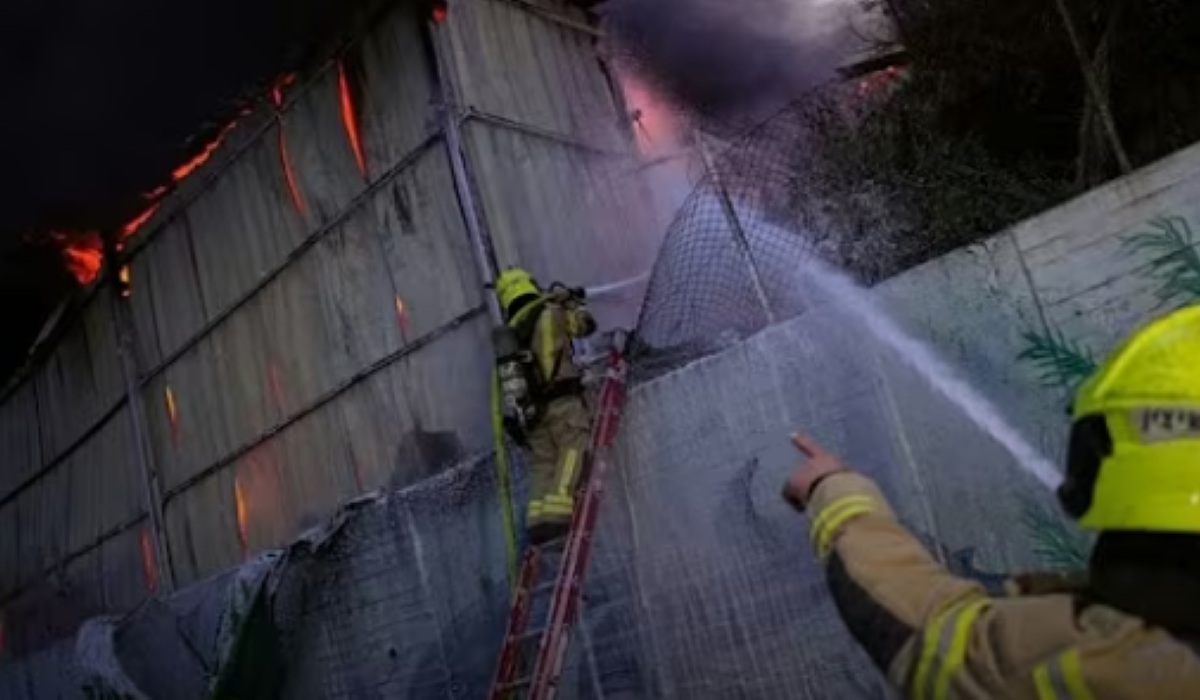
The global military landscape in 2026 is witnessing a real war laboratory in the Middle East. The conflict involving Iran on one side and the United States and Israel on the other represents the most perfect example for understanding the difference between symmetrical and asymmetrical warfare. On paper, the US and Israel possess everything. However, on the 2026 battlefield, the grandeur of their symmetrical technology is forced to its knees by the labyrinth of Iran’s asymmetrical strategy.
Symmetrical warfare occurs when two military powers possess equivalent or similar capabilities, technology, and combat methods. In this context, the US and Israel represent the pinnacle of global symmetrical power.
Although Iran’s highest leadership and key infrastructure have been bombarded, asymmetrical strategy enables their military to function independently at the regional level. Iran does not attempt to match the number of US fighter jets; rather, it creates an entry cost that is too expensive for the US-Israel through threats of closing the Strait of Hormuz and missile attacks on military bases throughout the Gulf.
In conclusion, in symmetrical warfare, the winner is determined by who possesses the sharper sword. However, in asymmetrical warfare, the winner is whoever can endure longest within a labyrinth filled with traps.