
Suwung Landfill No Longer Accepts Organic Waste, Residents Must Manage It Themselves
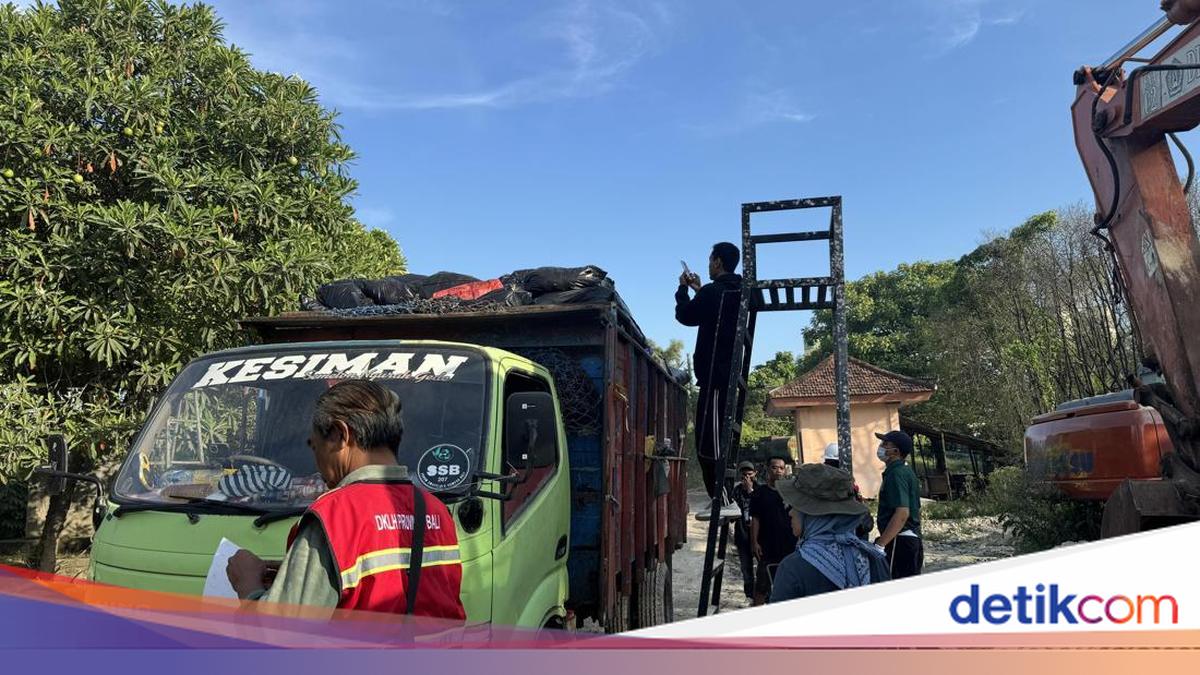
The Suwung Landfill will officially no longer accept organic waste starting from 1 April 2026. This policy is being implemented to accelerate the strengthening of source-based waste processing systems at the village level, in accordance with directives from the Minister of Environment, Hanif Faisol Nurofiq.
With this policy, the Suwung Landfill will now only accept inorganic waste and residue.
The Head of the Bali Forestry and Environmental Agency, I Made Dwi Arbani, stated that this step is a response to the high composition of organic waste in Bali, which reaches 65 percent of the total waste generated, with characteristics of high moisture content.
“So far, organic waste has dominated the waste at the landfill. This condition has the potential to produce flammable methane gas, unpleasant odours, environmental pollution from leachate, and to accelerate the landfill’s capacity,” said Arbani in his statement on Wednesday (1 April 2026).
Encouraging Processing from the Source
Arbani explained that the government is encouraging the public to manage organic waste directly from the source. Waste such as food scraps, kitchen waste, leaves, twigs, and ceremonial waste is expected to be processed using simple and applicable methods.
“This is an adjustment process towards a more independent and sustainable waste management system, while also supporting national policies,” explained Arbani.
According to him, organic waste has utility value if managed properly. Through various methods, this waste can be processed into compost fertiliser.
This compost can then be used to enrich the soil, improve soil structure, increase water absorption capacity, and support plant growth.
Support Schemes Prepared
Arbani added that communities with limited land for building modern composting facilities can utilise communal public facilities in their areas.
The regional government has also prepared various support schemes, ranging from providing processing facilities, strengthening TPS3R and TPST, to assistance at the village and banjar levels.
“We continue to provide guidance so that this process runs gradually and does not burden the public. This is a collective effort,” clarified Arbani.
“A major change starts with small steps; by sorting and processing waste from the source, we not only preserve the environment but also support national policy directions and ensure Bali remains clean, healthy, and sustainable,” emphasised Arbani.