
Suspect in Bantargebang Landslide to Be Named Soon, Environment Minister: A Human Tragedy
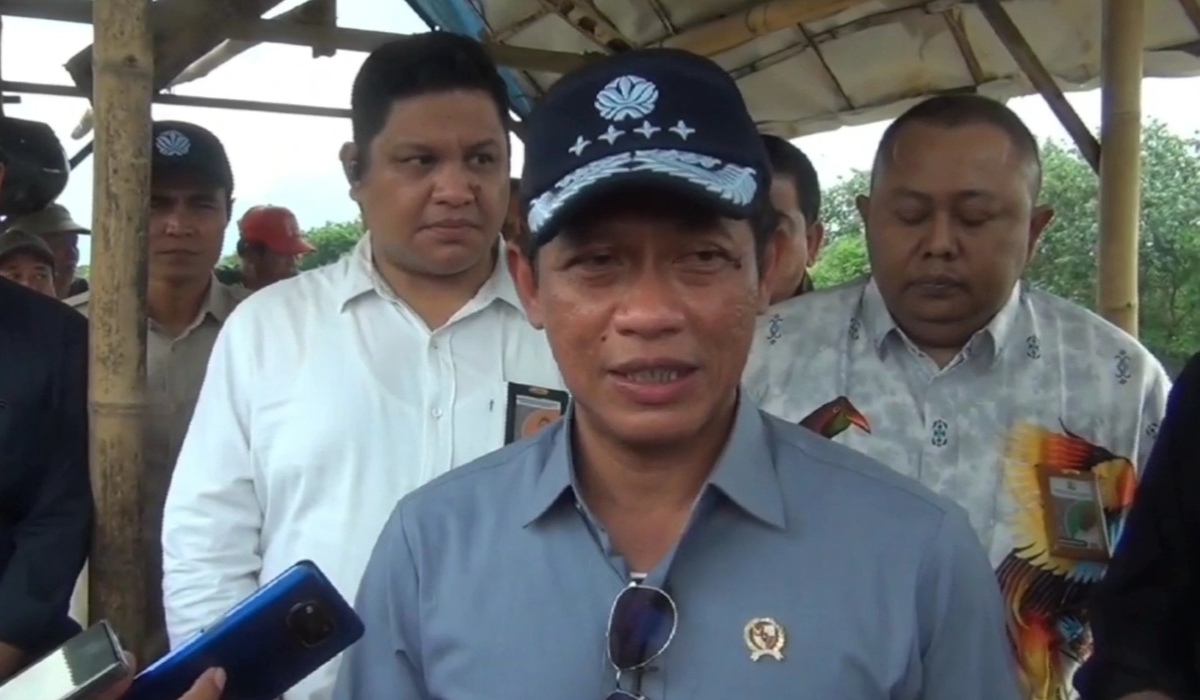
Indonesia’s Environment Minister Hanif Faisol Nurofiq has confirmed that within the coming weeks, the government will designate suspects in the Bantargebang landslide case in Bekasi City, West Java. The Bantargebang landslide tragedy, which claimed seven lives, has been characterised not merely as an ordinary incident but as a human disaster demanding strict legal accountability.
“Hopefully, within the coming weeks, suspects will be named, in order to serve justice for all of us,” Hanif said during an inspection of Pasar Kramat Jati in East Jakarta on Wednesday, 11 March 2026.
Hanif confirmed that his ministry has completed the investigation of the scene to determine the primary cause of the collapse of the tens-of-metres-high waste mound. According to him, under applicable legislation, the area management authorities bear legal responsibility.
The ministry’s investigation is based on two principal legal frameworks: Law Number 32 of 2009 on Environmental Protection and Management, and Law Number 18 of 2008 on Waste Management.
Hanif highlighted the practice of open dumping—unprocessed waste disposal—that continues to occur at Bantargebang. However, the 2008 Waste Management Law has prohibited this method and allowed only a transition period until 2013.
“This investigation will target all officials who have been responsible since the enactment of this law,” Hanif stated firmly. He attributed the illegal practices, which have been tolerated for years, as the primary trigger for this tragedy.
Previously, the National Search and Rescue Agency (Basarnas) of DKI Jakarta had found two final victim remains buried on Monday, 9 March. The Head of Jakarta SAR Office, Desiana Kartika Bahari, confirmed the identities of the victims as Jussova Situmorang and Hardianto. Both were found deceased after a combined team of 336 personnel deployed heavy equipment and K9 units to search the landslide site.
As a long-term measure, the Environment Ministry is promoting a comprehensive overhaul of waste management systems across Jakarta and surrounding regions. Hanif emphasised the importance of waste segregation at household level to significantly reduce the burden on Final Processing Sites (TPA).
“The government wishes to make this case an important lesson so that future waste management is conducted more safely, professionally, and in accordance with applicable legal provisions,” he concluded.