
Survey: 83 Percent of Indonesians Condemn US-Israel Attack on Iran
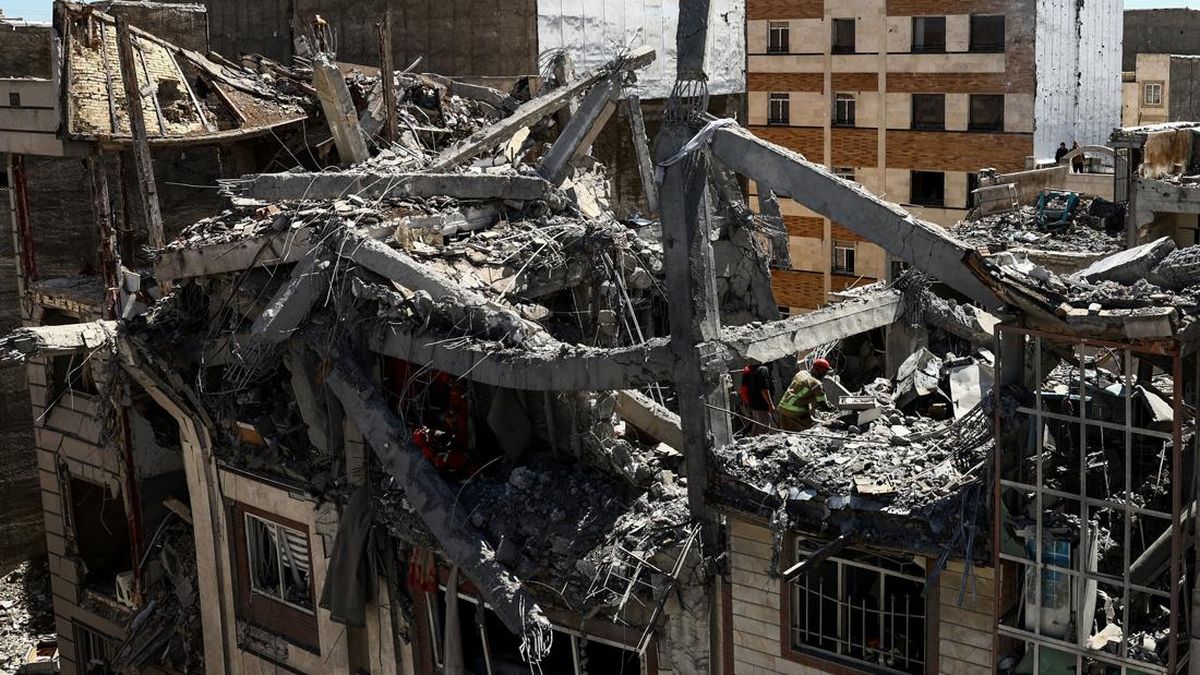
A joint survey by Lembaga Survei Indonesia (LSI), Indikator Politik Indonesia, and Saiful Mujani Research and Consulting (SMRC) indicates that the majority of Indonesian citizens disagree with the actions of the US and Israel in attacking Iran. The survey was conducted from 12 to 31 March, involving 1,066 respondents aged 17 years or older or already married. “83 percent stated that they do not agree with Israel and the United States attacking Iran for any reason,” said the lead researcher from Indikator Politik Indonesia, Burhanuddin Muhtadi, in his presentation on Thursday (2/4). Burhanuddin explained that the 83 percent is divided into 60.1 percent of respondents who disagree and 23.0 percent who strongly disagree. Meanwhile, respondents who chose strongly agree are far behind. Only 0.2 percent. Similarly, those who stated agree are at 4.7 percent. “Only 4.9 percent, so very few,” he said. At the same time, Burhanuddin explained that the majority of respondents also disagree with the killing of several Iranian leaders by the US-Israel because they are considered to threaten the region with their nuclear project. As many as 45.9 percent of respondents stated they disagree, 9.4 percent of respondents stated they strongly disagree. The US-Israel attack on Iran was first launched on 28 February 2026. The attack resulted in the deaths of several Iranian leaders. One of them, the supreme leader, Ayatollah Ali Khamenei. Khamenei was replaced by his son, Mojtaba Khamenei, who was reported to be injured as a result of the series of US and Israeli attacks. Iran did not remain silent and launched a counterattack on Israel and several US military bases in the Gulf countries. Iran also closed the Strait of Hormuz route, which is the main trade route for oil and gas from Gulf countries, triggering a surge in world oil prices.