
Surge in Measles Cases: IPB University Expert Warns of Declining Herd Immunity
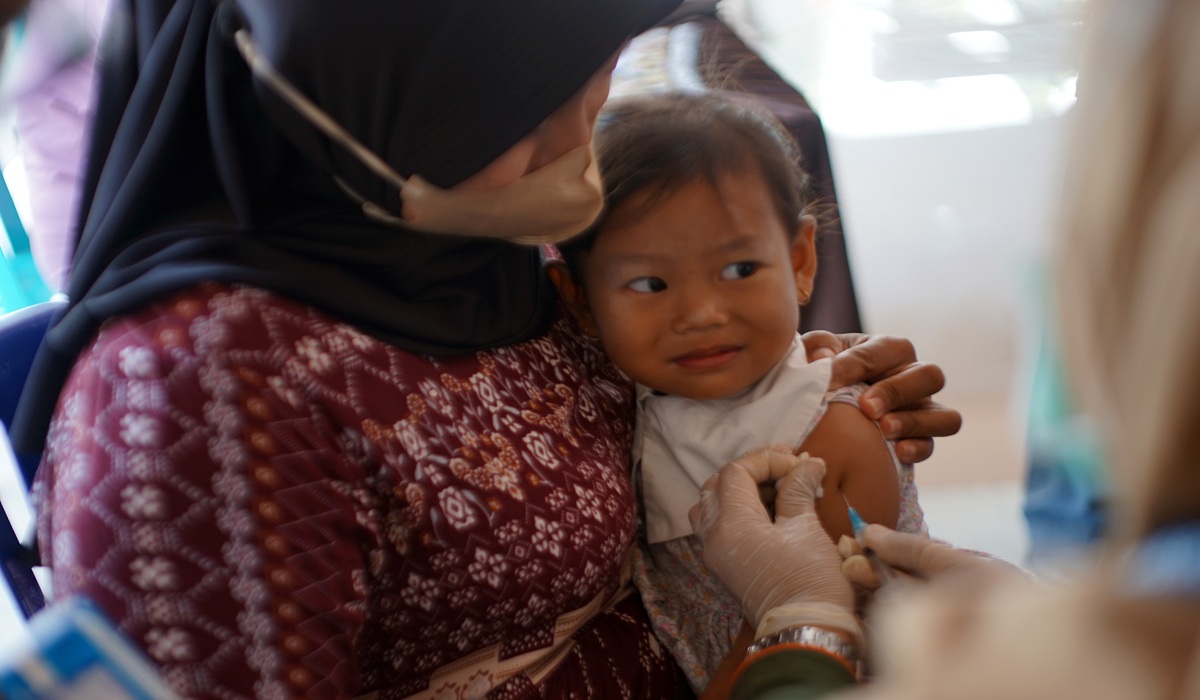
The recent surge in measles cases serves as a serious alarm for public health. Dr. Aisyah Amanda Hanif, a lecturer at IPB University’s Faculty of Medicine and Nutrition, states that this phenomenon is a clear indicator of declining herd immunity within society.
According to Aisyah, measles is not a disease to be taken lightly. Its highly contagious nature means one infected person can spread the virus to dozens of others who lack immunity.
“An increase in measles cases often indicates that population immunity is declining. One infected person can transmit the virus to 12 to 18 susceptible individuals around them,” explained Dr. Aisyah.
To prevent outbreaks, immunisation coverage must reach very high levels. The following details relate to the herd immunity threshold and measles transmission risks:
The measles virus spreads through the air (airborne) and enters via the respiratory tract. Once inside the body, the virus multiplies and spreads to various organs, triggering the characteristic skin rash.
Aisyah emphasises that measles can cause fatal complications, particularly in vulnerable groups such as infants, malnourished children, or individuals with weakened immune systems. Some serious complications to watch for include:
The most effective protective measure is vaccination using live attenuated virus (weakened live virus). This vaccine trains the immune system to produce specific antibodies and long-term immune memory without causing the disease.
For parents whose children have not yet received immunisation or are behind schedule, Aisyah recommends immediately participating in catch-up vaccination programmes.
“Measles is a vaccine-preventable disease. With high immunisation coverage and good public awareness, the spread of measles can be prevented,” she concluded.
She also urges the public to isolate suspected infected patients promptly to break the chain of transmission.
Measles cases in Indonesia are rising. The Indonesian Paediatric Society (IDAI) reminds that the first vaccine is ideally given at 9 months of age, and immunisation coverage must exceed 95% to prevent outbreaks.
Indonesia ranks second in the world for the highest number of measles cases. IDAI calls for catch-up immunisation and warns of child mortality risks due to low vaccination coverage.
The Indonesian Paediatric Society (IDAI) highlights the resurgence of measles cases in several regions of Indonesia, linked to weakening herd immunity.