
Surah Ghafir: Meaning, Asbab al-Nuzul, Key Messages, and Virtues of Reciting It
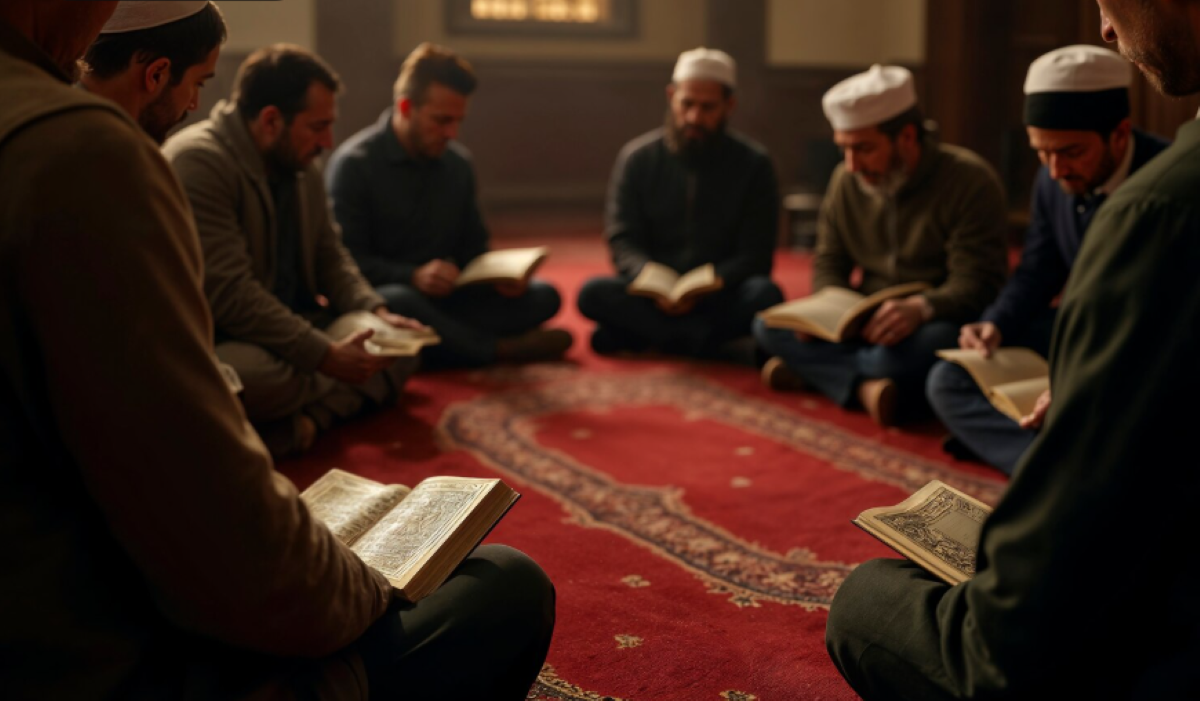
Surah Ghafir is the fortieth chapter in Juz 24 of the Qur’an, comprising 85 verses. It is classified as Meccan (Makkiyah) and is the first of seven surahs that begin with the disjointed letters Ha Mim. The surah is renowned for its poignant emphasis on Allah’s mercy alongside His firmness against human pride. It is often described as a source of solace for hearts weighed down by sin, seeking forgiveness. As part of the Hawamim group (surahs that begin with Ha-Mim), Ghafir carries a strong message about Allah’s authority, the power of prayer, and steadfast faith. To learn more, see the discussion below. The surah has several names recognised by Qur’anic commentators. The surah carries theological and moral messages highly relevant to modern life: - This verse declares that supplication (du’a) is the highest form of worship and that arrogance lies in refusing to petition Him. Reading and reflecting on Surah Ghafir offers spiritual benefits for Muslims: 1. Protection from evil: In a hadith recorded by al-Tirmidhi, it is stated that whoever recites the opening verses of Surah Ghafir (verses 1-3) and Ayat al-Kursi in the morning will be safeguarded by Allah until the afternoon. 2. Unbroken hope: The Prophet Muhammad (peace be upon him) said that for the reader of this surah, Allah will not cut off their hope on the Day of Judgment and will grant them the rank of the pious. 3. Forgiveness of sins: True to its name, the surah serves as a reminder that the door of repentance remains wide open for anyone wanting to turn to Him. The main message is Allah’s command to humankind to continually supplicate to Him, and the warning that neglecting prayer is a form of pride. Why is Surah Ghafir also called Surah Al-Mu’min? Because within it there is an inspirational account of a believing man from the family of Pharaoh who supports the mission of the Prophet Moses (peace be upon him) with wisdom. Ibn Abbas (RA) states that surahs beginning with Ha Mim are the essence and the splendid ornament of the Qur’an in meaning.