
Surabaya's Economy Grows 5.87 Per Cent as City Administration Strengthens Creative Economy and Tourism
Surabaya’s economy in 2025 demonstrated strong and stable performance. According to data released by the Central Statistics Agency (BPS) of Surabaya on 27 February 2026, the city’s economic growth was recorded at 5.87 per cent, an increase compared to 2024 which registered 5.76 per cent.
This achievement exceeded East Java Province’s economic growth of 5.33 per cent and the national figure of 5.11 per cent in 2025.
The value of Surabaya’s Regional Gross Domestic Product (PDRB) in 2025 reached Rp 830.54 trillion at current market prices (ADHB) and Rp 513.94 trillion at constant market prices (ADHK).
The data demonstrates that Surabaya’s economic activity continued to grow positively and remain resilient amid national economic dynamics and global uncertainty.
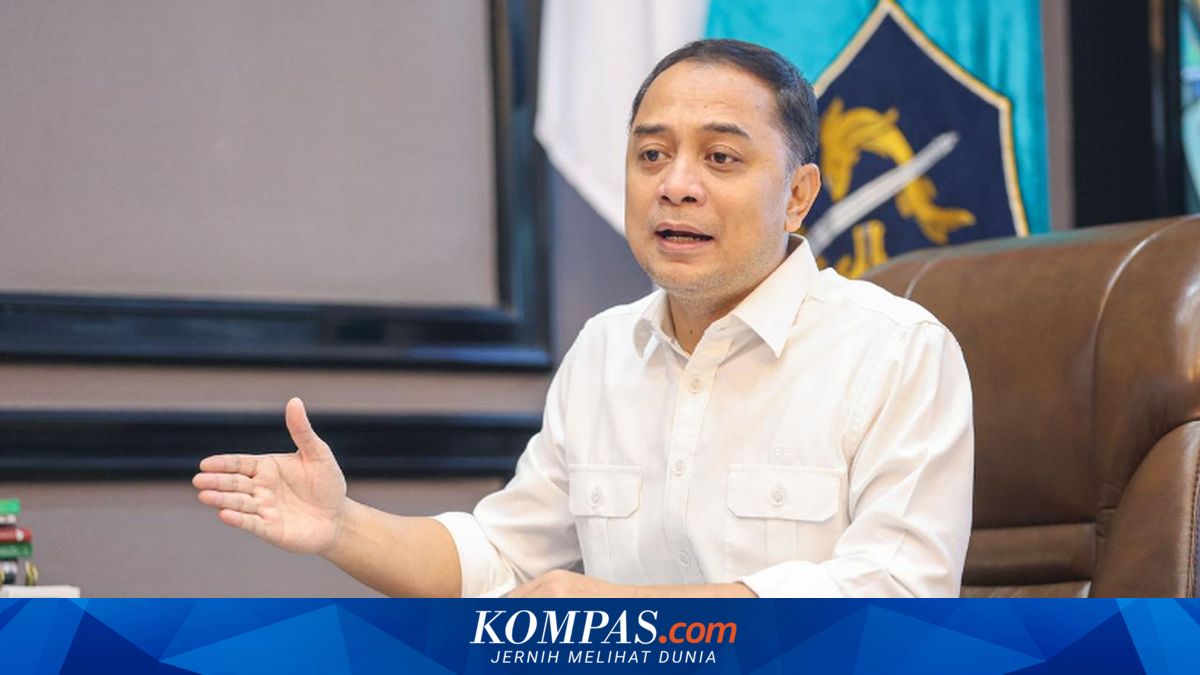
Surabaya Mayor Eri Cahyadi stated that the achievement reflects the city’s economic resilience, supported by various business sectors and community participation.
“The economic foundation of Surabaya City is quite strong. Going forward, the city administration will encourage strengthening the local economy through developing the creative economy, empowering young people, and developing urban tourism destinations,” Eri said in a press release received by Kompas.com on Tuesday (17/3/2026).
From the economic structure perspective, the wholesale and retail trade and motor vehicle and motorcycle repair sector continues to dominate with a contribution of 26.97 per cent. This is followed by manufacturing industry at 19.59 per cent and accommodation provision and food and beverage services at 16.71 per cent.
From the expenditure side, household consumption grew 5.40 per cent and gross fixed capital formation (PMTB) reached 6.41 per cent, indicating the increasing role of investment in driving the city’s economy.
Head of the Surabaya City Development Planning Agency (Bappeda) Irvan Wahyudrajad stated that Surabaya administration will continue strengthening economic development programmes to maintain growth momentum.
One step being taken is compiling a database of creative economy actors as a basis for policy and strengthening business networks.
Additionally, the city administration is also promoting youth empowerment through a youth activity support programme of Rp 5 million per neighbourhood association (RW).
“This programme is expected to be a stimulus for young people to develop creative activities, entrepreneurship, and productive activities in their neighbourhoods,” said Irvan.
In the tourism sector, Surabaya administration is strengthening urban tourism development through organising strategic areas, including the former People’s Entertainment Park (THR) as a creative economy space based on art, culture, and cuisine.
Development of thematic neighbourhoods, urban tourism, and Pancasila Village (Kampung Pancasila) is also being continuously encouraged as part of strengthening community-based economy.
The city administration is optimistic that synergy between government, the business world, communities, and society can maintain inclusive and sustainable economic growth.