
Surabaya Wins Bloomberg Mayors Challenge, Secures USD 1 Million Funding
Bloomberg Philanthropies has named Surabaya as one of 24 winning cities in the Bloomberg Philanthropies Mayors Challenge. This global competition encourages local government innovation to improve the quality of life for residents.
The Mayor of Surabaya, Eri Cahyadi, stated that this achievement marks an important milestone for the City of Heroes in strengthening basic services and introducing innovative solutions with broad and sustainable impact. In this sixth iteration, winners were selected based on the novelty of their ideas, potential impact, and readiness for implementation.
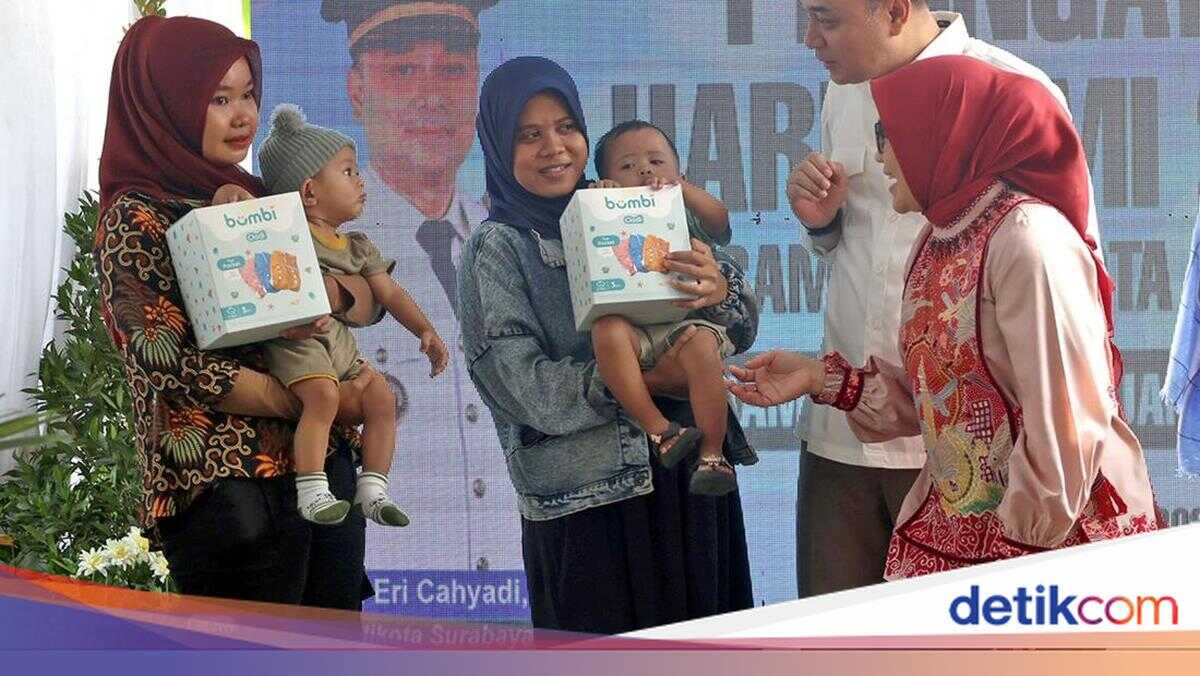
“As the City of Heroes, Surabaya must set an example. We are expanding the use of locally produced, reusable diapers and sanitary pads to strengthen the circular economy and empower women and families. Together with residents, healthcare workers, hospitals, schools and universities, retailers, non-profit organizations, and private sector partners, we are reducing the waste from disposable diapers and sanitary pads, which is harmful to the Brantas River and the environment, creating decent jobs, and ensuring a healthier future for our children,” said Eri in a statement on Tuesday (February 24, 2026).
As a winner, Surabaya will receive $1 million in funding, operational support, and additional funding for dedicated staff to expand the pilot innovation. The program encourages households and various institutions to switch to locally produced, reusable products as a replacement for disposable diapers and sanitary pads. In addition to reducing plastic waste in rivers and the environment, this initiative also strengthens the circular economy and creates job opportunities at the community level.
“Surabaya is one of 24 cities from 20 countries that have been awarded for their groundbreaking ideas to improve basic services for residents,” said Eri.
Meanwhile, the founder of Bloomberg Philanthropies and former Mayor of New York, Michael R. Bloomberg, stated that the 24 winning cities are from 20 countries and serve more than 35 million people. He believes that city governments play a crucial role in addressing increasingly complex public service challenges.
“The most effective city halls are those that are bold, creative, and proactive in solving problems and meeting the needs of their citizens. We launched the Mayors Challenge to help more cities succeed. We look forward to supporting this year’s 24 winners in implementing their innovative projects and seeing these ideas spread to other cities around the world,” he explained.
The 2025-2026 Mayors Challenge was launched in October 2024 at the Bloomberg CityLab forum in Mexico City. The program received high interest, with more than 630 cities from various countries registering. From these hundreds of applicants, 50 finalist cities were selected to develop innovation prototypes before the 24 winning cities were finally chosen based on the novelty of their ideas, potential impact, and the strength of their implementation plans.
The 24 winning cities come from various regions of the world, including As-Salt (Jordan), Barcelona (Spain), Beira (Mozambique), Belfast (Northern Ireland), Benin City (Nigeria), Boise (United States), Budapest (Hungary), Cape Town (South Africa), Cartagena (Colombia), Fez (Morocco), Fukuoka (Japan), Ghaziabad (India), Ghent (Belgium), Kanifing (Gambia), Lafayette (United States), Medellín (Colombia), Netanya (Israel), Pasig (Philippines), Rio de Janeiro (Brazil), South Bend (United States), Surabaya (Indonesia), Toronto (Canada), Turku (Finland), and Visakhapatnam (India).
In July 2025, 200 city officials from 50 finalist cities, including representatives from Surabaya, participated in the Ideas Camp organized by Bloomberg Philanthropies in Bogotá. This forum served as a collaborative space for the finalists to refine their concepts with experts before wider implementation. As a finalist, Surabaya received an initial grant of $50,000 along with technical support to test and refine the ideas at the local level.
Michael stated that this program continues Bloomberg Philanthropies’ more than a decade-long commitment to identifying, developing, and expanding innovation in cities around the world. In the previous five rounds, 38 winning cities have received funding and technical support to realize solutions to various urban issues.
“By supporting the replication of these best ideas, Bloomberg Philanthropies has expanded the impact of the Mayors Challenge to 337 cities around the world, reaching more than 100 million people,” he said.
Meanwhile, the Head of the Surabaya City Environmental Agency (DLH), Dedik Irianto, said that this support will accelerate the expansion of the program to various villages, integrated with the Pancasila Village Program. Through this expansion, public education will continue to be strengthened to increase understanding of the health, environmental, and economic benefits of using reusable products.
He believes that the program will be implemented collaboratively with healthcare workers, hospitals, retailers, non-profit organizations, and private sector partners to support families in switching to locally produced, reusable products.
In addition to promoting more environmentally friendly behavioral changes, the program also includes training for community-based producers. This will enable them to create decent jobs, strengthen Surabaya’s circular economy, and protect the Brantas River and the health of future generations.
“This initiative helps Surabaya reduce hazardous waste, protect the Brantas River, and reduce the burden on landfills while creating green jobs for the community. This program proves that environmental protection and community empowerment can go hand in hand,” said Dedik.
Dedik explained that the pilot results in Surabaya show measurable and significant impact, as seen in the use of disposable diapers by families.