
Surabaya DPRD Pushes for Heavy Waste Management Scheme and Fleet Renewal
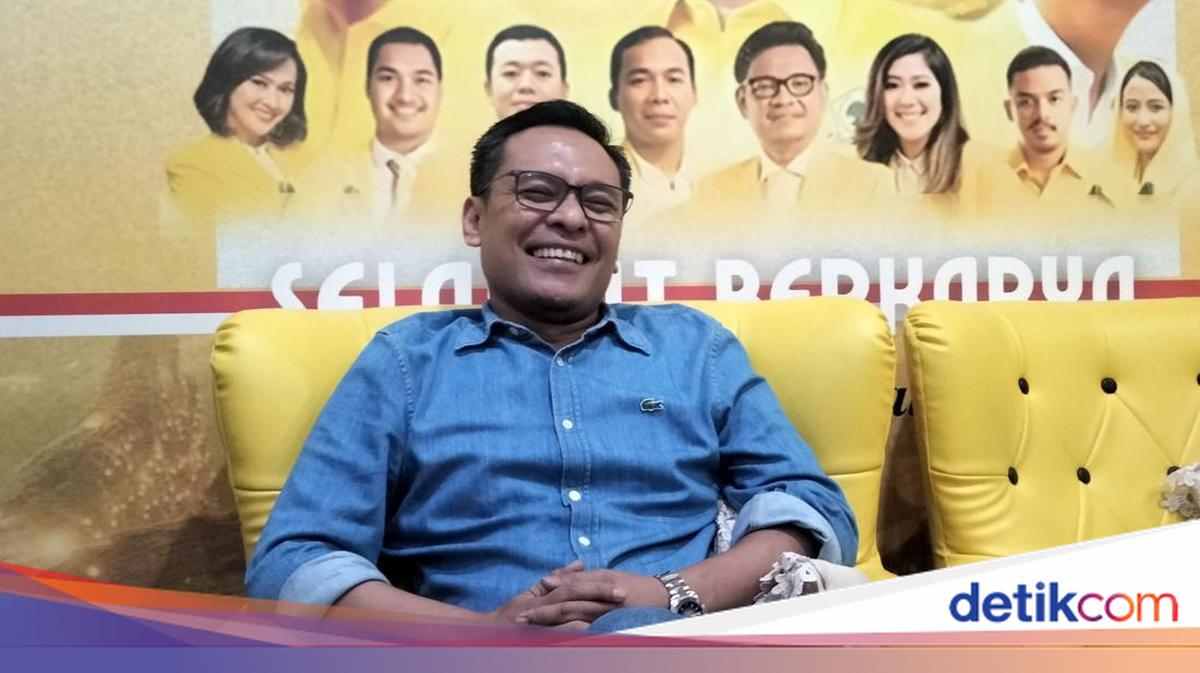
Deputy Chairman of the Surabaya City Council, Arif Fathoni, assesses that waste problems in Surabaya are becoming increasingly complex. Besides volumes exceeding capacity at several Temporary Waste Collection Points (TPS), new issues have arisen regarding types and sources of waste that require special handling.
He stated that a more adaptive approach is needed, particularly for heavy waste types with high handling requirements. According to him, ‘heavy waste’ does not solely refer to weight, but to types of waste that demand greater effort in management.
This waste typically consists of large-sized items such as mattresses, sofas, chairs, wardrobes, and other household furniture that cannot be handled like ordinary household waste.
“For waste that requires more effort, such as old mattresses, chairs, and the like, the relevant department must create a special formula to make it easier for residents to dispose of such waste,” said Arif Fathoni in a written statement on Sunday (5/4/2026).
He proposed a special levy payment scheme for certain types of waste that require extra handling. In his view, this policy would provide a practical solution for the community.
“With such a scheme, the public will have clear options for waste disposal. Thus, it will no longer be dumped haphazardly into rivers or inappropriate places,” he explained.
Furthermore, he highlighted the importance of oversight for waste originating from business sectors. He requested strengthened supervisory roles, particularly by law enforcement officials for regional regulations.
“For waste that is business-generated waste, there must be extra supervision from the Surabaya Municipal Civil Service Police Unit. Supervision should be comprehensive, checking whether waste management complies with permits or not,” he clarified.
Nevertheless, he emphasised that the approach must prioritise a humane aspect.
“Supervision should start with humane efforts and intensive socialisation. In this way, we can reduce waste entering TPS and landfills right from the source,” he added.
The politician from the Golkar Party added that the mayor has aimed from the outset to present Surabaya as a green city for its residents. He hopes that the policies taken remain oriented towards that goal.
“I hope the relevant Regional Apparatus Organisations can implement this well, especially since President Prabowo has set the ASRI programme; alhamdulillah, Surabaya fully supports that idea through actions, not just rhetoric,” he stated.
On the other hand, the DPRD also highlighted the condition of the waste transport fleet, which is deemed in need of immediate renewal. Several vehicles are reported to be old and no longer meet operational standards.
“There must be fleet renewal. The Environmental Agency needs to replace vehicles over 15 years old, so that there is no more scattered waste and the city’s aesthetics are maintained,” he revealed.
He also encouraged fleet renewal not only based on vehicle age but also on environmental aspects.
“Renewal must also refer to vehicles that are non-fossil fuel based. This aligns with the Surabaya City Government’s spirit, which has started using electric official vehicles,” he said.
He added that opportunities for collaboration with third parties are wide open, particularly for providers of environmentally friendly energy-based waste transport fleets.
“Many third parties already have non-fossil fuel waste transport trucks. This can be part of the future solution,” he concluded.
As a city that has become a model in converting waste to energy, he asserted that Surabaya needs to continue innovating so that the waste management system remains sustainable and adaptive to new challenges.
“Currently, Surabaya residents are moving towards waste management from upstream to downstream with sorting in each neighbourhood unit; if this aligns with business spirit, Surabaya’s waste problems can be well managed,” he concluded.