
Surabaya DPRD calls for targeted PAUD and TK scholarships
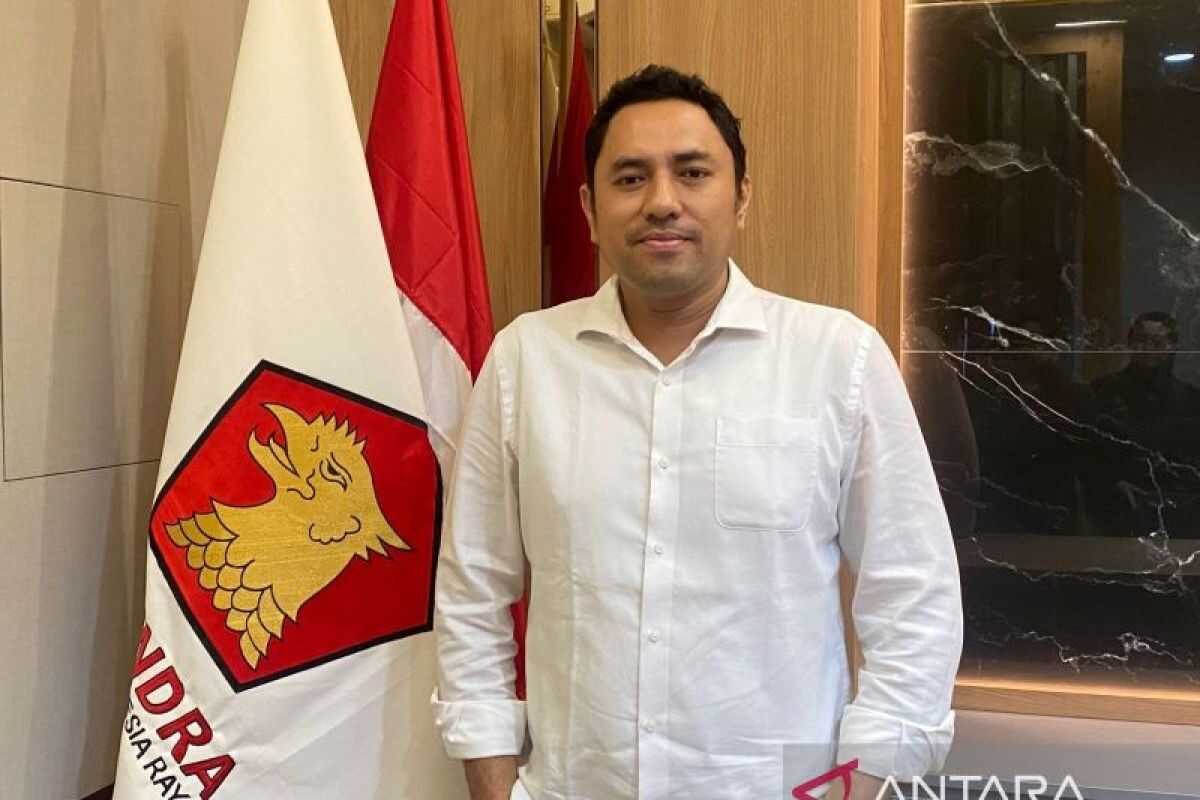
A scholarship worth Rp50,000 for around 8,000 underprivileged PAUD and TK students must be targeted, said Bahtyar Rifai, Deputy Speaker of the Surabaya Regional House of Representatives, in Surabaya on Thursday. He urged that the distribution of PAUD and TK education scholarships by the Surabaya City Government be properly targeted and that the program be secured first in terms of budgeting, mechanism, and oversight to ensure targeted delivery. Bahtyar admitted he had only just heard of the PAUD-TK scholarship plan. However, in principle, he supports it if the programme is truly aimed at easing the education costs for families in need. “If this is to help parents who are unable to pay so that their children can still attend PAUD or TK, I certainly agree. Early childhood education is important,” he said. However, he emphasised the importance of ensuring whether the program has been discussed and allocated in the APBD for the 2026 Fiscal Year because budget certainty is the fundamental basis before the programme is launched. In addition to the budget aspect, he highlighted the need for clarity on the distribution mechanism. He questioned whether the assistance would be provided in cash, as school supplies, or via direct transfer to the recipients’ accounts. “The technical details must be clear. Whether through the schools, directly to the parents’ accounts, or in the form of goods. This needs to be finalised so as not to cause problems later,” he said. Regarding recipient verification, he suggested that the Department of Education (Dispendik) coordinate with the Social Service (Dinsos), which already has a database of poor and near-poor residents. In this respect, the validation process can be performed by matching National Identification Numbers (NIK) in the system, as is the mechanism used in previous social assistance programs. “Just input the NIK and it will show whether the person falls into the poor or near-poor category. The system already exists; it only needs to be used so that it is not cumbersome and remains targeted,” he said. He also stressed the importance of periodic evaluation if the programme is actually implemented. Oversight is needed to ensure the aid given is used for education needs and not diverted to other purposes. “If it is cash, there must be evaluation. Do not let it be used for other schooling needs. That is what must be safeguarded,” he said. The DPRD, continued Bahtyar, will monitor the programme’s implementation once it is in operation. This evaluation is important to ensure policy effectiveness and to prevent potential misappropriation.