
Supporting the Hero Title for Sultan HB II, Sultan HB X Scheduled to Open National Seminar in March 2026
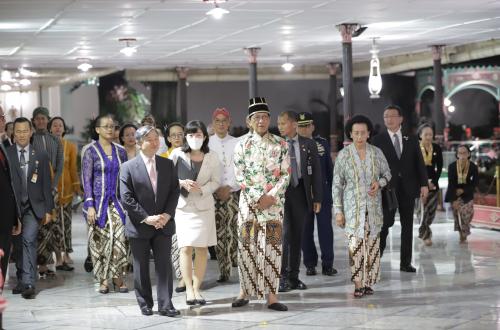
Plans for a National Seminar titled ‘Jejak Pahlawan Sultan Hamengku Buwono II’ have received a fresh boost of enthusiasm. The extended family (Trah) of Sultan Hamengku Buwono (HB) II has expressed deep appreciation for the willingness of the Governor of DIY, Sri Sultan Hamengku Buwono X, to attend as the keynote speaker at the event.
News of Sultan HB X’s agreement to be the keynote speaker at the National Seminar was conveyed by one of the elders of the Trah Sultan HB II, Romo Artha Prararta Dharma, also known as Romo Artha from the DIY Secretariat.
Full support from Sultan HB X is seen as a strategic momentum, according to Romo Artha. The Trah HB II hopes that the involvement of prominent figures in this seminar will open the eyes of the wider public to the importance of the state’s recognition of Sultan HB II’s struggles, which have been assessed as highly steadfast in safeguarding the nation’s dignity.
According to Romo Artha, the national seminar is planned to thoroughly examine the career of Sultan HB II, known for his firm stance in opposing Dutch intervention.
“It is hoped that this will uncover historical facts, present primary data related to Sultan HB II’s political policies that are not widely known. It will strengthen arguments regarding the relevance of the values of Sultan HB II’s struggles in the modern era,” explained Romo Artha.
Additionally, the national seminar will be able to gather support from historians and academics across Indonesia.
“The spirit we bring is the spirit of historical rectification. With the support of Ngarso Dalem, we are optimistic that the steps towards awarding the National Hero title will proceed more smoothly,” he stated.
The Chairman of the Committee, also representing the Trah HB II and Chairman of the Vasatii Socaning Lokika Foundation, Fajar Bagoes Poetranto, conveyed that the presence of Sultan HB X is not merely a formality, but a form of historical legitimisation that is very meaningful for the efforts to nominate Sultan HB II as a National Hero.
“For the Trah Sultan HB II, the figure of Sultan HB X has a central role in providing a comprehensive perspective on his ancestor’s contributions,” explained Fajar Bagoes Poetranto.
The Trah Sultan HB II believes that the presence of Yogyakarta’s current leader will provide strong academic and historical weight to the narrative of Sultan HB II’s struggle against colonialism.
“We are very grateful and thankful to Ngarso Dalem (Sultan HB X). His willingness to be the keynote speaker provides extraordinary energy for us to continue overseeing the process of nominating the National Hero title for our ancestor, Sultan HB II,” he said.
Romo Artha revealed that Sultan Hamengkubuwono II is known as a leader with a firm stance in safeguarding the dignity of the palace from foreign interventions. Since ascending the throne in 1792, Sultan HB II consistently refused to submit his kingdom’s sovereignty, including by not seeking VOC approval when appointing his own patih.
“In fact, he firmly rejected the VOC representative’s demands to equate their seating position with the Sultan in official palace ceremonies,” he explained.
Sultan Hamengkubuwono II’s steadfast attitude in maintaining his authority made the colonial side feel difficult to control him. Even though power changed from the Daendels administration to the era of Thomas Stamford Raffles, the Sultan remained unwilling to submit to colonial wishes. This rejection of foreign interference was viewed by colonial officials at the time as a ‘stubborn’ and ‘difficult to control’ attitude.
The peak of this tension occurred in June 1812, when British forces stormed the Yogyakarta Palace using cannons and troops from India. This assault caused the palace fortress to collapse, the palace to be occupied, and the looting of royal heirlooms and ancient manuscripts. Although the palace fell physically, history records this event as evidence of a king’s bravery who refused to surrender his country’s dignity to the colonisers.
Sultan Hamengkubuwono II’s resistance is regarded by many historians as the initial spark that ignited the spirit of struggle in Java.
“That spark of resistance is believed to have persisted for several years, ultimately igniting the great war under the leadership of Prince Diponegoro. The Sultan’s courage in saying no to colonisation places him in an honourable position in the nation’s historical records,” said Romo Artha.
The National Seminar scheduled for 30 March 2026 will be attended by national figures, historians, academics, cultural observers, and community elements concerned with preserving the nation’s history.