
Supporting Energy Efficiency, Minister of Basic and Secondary Education Urges Students to Walk or Cycle to School
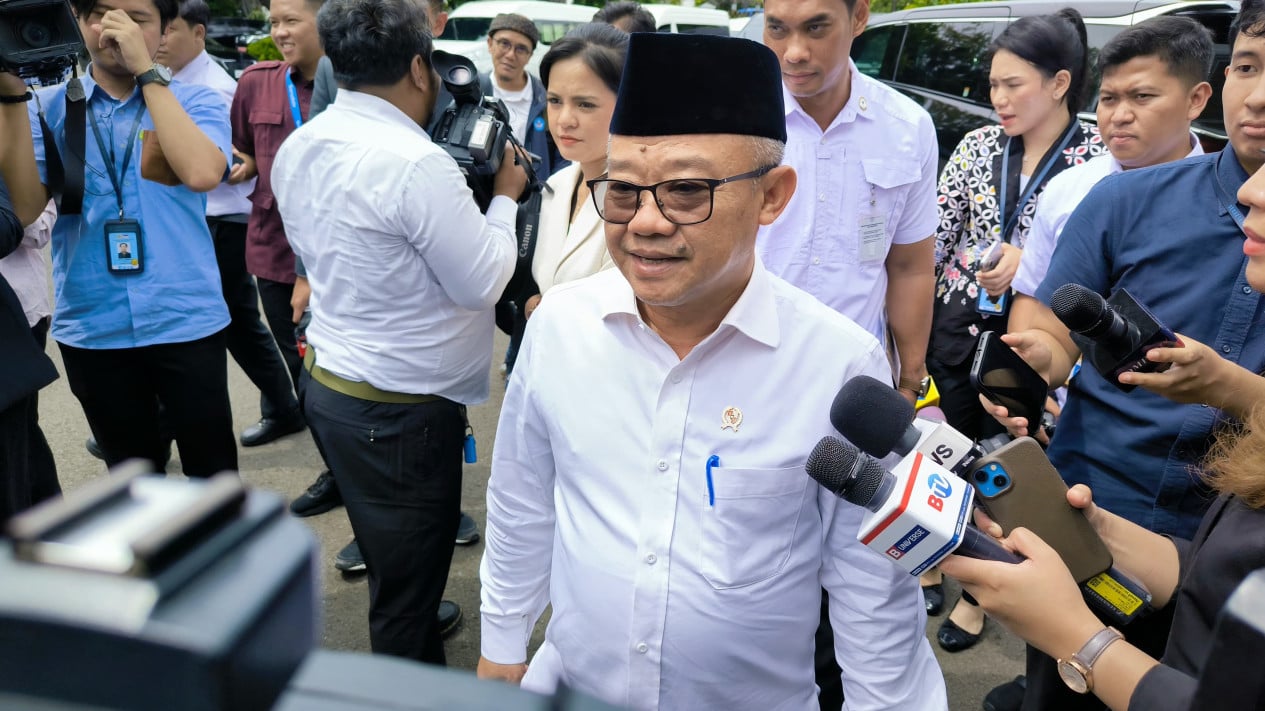
Jakarta – Minister of Basic and Secondary Education (Mendikdasmen), Abdul Mu’ti, has urged students to utilise bicycles and walk if their homes are close to school. This appeal was made to support the energy efficiency drive being promoted by President of the Republic of Indonesia, Prabowo Subianto. He noted that the widespread habit of cycling among the public during the Covid-19 pandemic was a positive practice that should be continued, especially in the face of the current oil crisis threat stemming from wars in Gulf countries and the Middle East. “So, for example, we encourage that if homes are close to school and it is deemed safe and comfortable, I think there is no harm in walking or returning to the cycling habit during Covid. Why not continue that habit? It is healthy, saves energy, and is environmentally friendly,” said Abdul Mu’ti on Monday, 30 March 2026. He also urged schools to promote waste recycling activities with students so that waste in the school environment can be processed and converted into environmentally friendly energy sources. In addition, Mu’ti encouraged local governments to improve public transport services in their respective regions, enabling students to use public transport as an option for getting to school. This is because Mu’ti observed that currently, students tend to use motorbikes to go to school due to the limited reach of public transport services in their residential areas. “And now, there is a tendency for some children to feel more comfortable using motorbikes than public transport. In my view, if there is safe and comfortable public transport, children can go to school using it. That would save energy and reduce pollution. This is a challenge for local governments,” he said. Previously, on Thursday (19/3), Cabinet Secretary Teddy Indra Wijaya explained that President Prabowo Subianto instructed several of his ministers to focus energy efficiency on specific sectors so that the energy-saving policy runs on target.