
Supply Chain Collaboration: The Key to Competitiveness in Indonesia's Automotive Industry
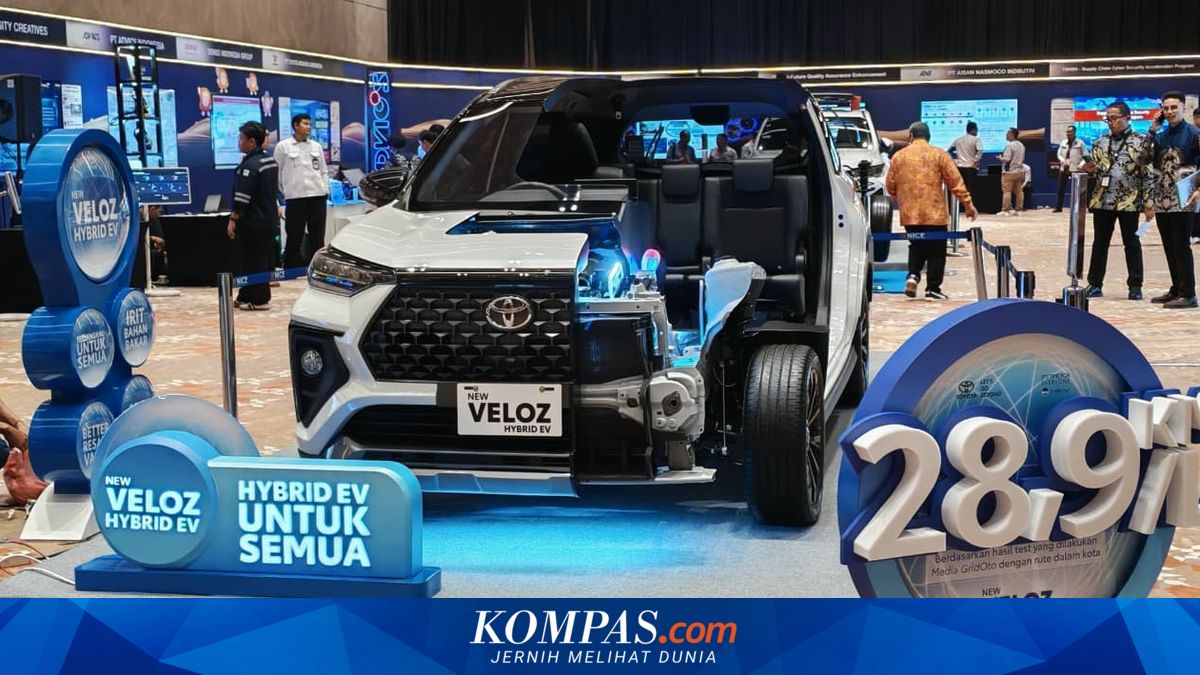
JAKARTA, KOMPAS.com – PT Toyota Motor Manufacturing Indonesia (TMMIN) held the Supplier Convention 2026 as an effort to strengthen supply chain collaboration amid increasingly complex pressures in the automotive industry.
The event took place at the Nusantara International Convention Exhibition (NICE), Pantai Indah Kapuk, on Monday (20/4/2026), serving as a forum for consolidation among manufacturers, suppliers, and the government to maintain the national industry’s competitiveness.
The dynamic global situation, from a stagnant domestic market and geopolitical turmoil to accelerated electrification, demands that industry players—including suppliers—become more adaptive to technological changes.
“The challenges facing the industry ahead are becoming increasingly complex, so collaboration is key. To that end, we continue to strengthen an adaptive and competitive supply chain through various efforts,” said TMMIN President Director, Nandi Julyanto.
In the forum, TMMIN affirmed a multi-pathway approach as a strategy to address the transition towards carbon neutrality.
This approach includes the development of various vehicle technologies, from hybrid electric vehicles (HEV), plug-in hybrids (PHEV), battery electric vehicles (BEV), to fuel cell electric vehicles (FCEV). Additionally, there is development of flex-fuel-based hybrids (FFV) using bioethanol mixtures.
This strategy is deemed relevant to Indonesia’s diverse market characteristics, while ensuring the industry’s long-term sustainability.
“Strengthening is carried out through synergy with the government, development of biofuels and hydrogen, as well as improvements in human resources quality and research,” Nandi stated.
Within the Toyota Indonesia ecosystem alone, this sector is said to involve more than 360,000 workers from upstream to downstream.
Since its development in the 1970s, the national automotive industry has transformed from mere importers to producers of complete vehicles, with local content now exceeding 80 per cent.
Moreover, the sector’s contribution is also reflected in tax revenues, both at the central level such as Income Tax (PPh), Value Added Tax (PPN), and Luxury Goods Sales Tax (PPnBM), as well as regional taxes like Motor Vehicle Tax (PKB) and Motor Vehicle Ownership Transfer Fee (BBNKB).
Export performance also continues to show a positive trend, with total shipments of complete vehicles reaching around 3 million units to more than 100 countries.
Strengthening the supply chain is considered crucial in supporting the transformation towards electrification, including to bolster exports of environmentally friendly vehicles.
Several models, such as the Toyota Kijang Innova Zenix Hybrid and Yaris Cross Hybrid, have recorded combined exports of more than 56,000 units up to the first quarter of 2026.
Currently, TMMIN collaborates with more than 240 tier 1 suppliers as well as around 520 tier 2 and tier 3 suppliers, which further strengthen the industry structure while reducing import dependency.
With a supply chain foundation built over more than five decades, collaboration between industry players and government policy support is seen as the key to keeping the national automotive industry competitive, both in the domestic and global markets.