
Sunda Kelapa Mosque Prepares Thousands of Iftar Portions Daily
The festive atmosphere of Ramadhan 1447 Hijriah is palpable across various regions, from mosques and takjil markets to public thoroughfares. Diverse initiatives are being undertaken to ensure the community can perform their worship comfortably, safely, and with a strong sense of togetherness.
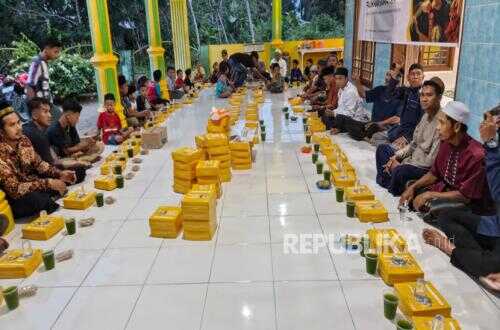
In Central Jakarta, Sunda Kelapa Grand Mosque is preparing approximately 1,000 meals for breaking fast each day for the public. Ahmad Huraera, Secretary of the Mosque’s Board of Trustees, reported that this figure has even reached 1,300 portions on certain days. The menu provided is not merely sweetened snacks or light refreshments, but rather complete rice packages with varied side dishes throughout the 30 days of Ramadhan.
Beyond iftar, during the final 10 nights of Ramadhan, the mosque management also prepares pre-dawn meals for worshippers performing itikaf (intensive worship retreat). For the large-scale itikaf event, approximately 2,000 boxes of pre-dawn meal packages are available, though many worshippers also bring their own provisions.
The series of Ramadhan activities at the mosque is further enlivened by arts and creative economy initiatives. The “Ramadankustik” programme, organised by the Sub-Department of Tourism and Creative Economy of Central Jakarta, presents public space art performances in the mosque’s courtyard. This event collaborates with the Mobilisation Team of Family Welfare (PKK) of the Central Jakarta Administrative City, which is conducting the “Ramadhan Bazaar” on 21–25 February 2026. Additionally, the Sub-Department of Culture of Central Jakarta is also hosting the “Beduk Festival” on 24–25 February 2026, adding traditional and cultural atmosphere to the spirit of worship.
Meanwhile, in East Java, food safety surveillance has become a serious concern for the regional government. The Banyuwangi District Government, through health centres and regional health laboratories (labkesda), is actively conducting inspections and laboratory tests of foods and beverages sold at Ramadhan takjil markets. Banyuwangi Regent, Ipuk Fiestiandani, has instructed all relevant departments, health centres, sub-districts, and village administrations to support the operation of takjil markets whilst monitoring the safety of sold products.
Currently, there are 60 takjil market points distributed across all sub-districts in Banyuwangi, involving approximately 2,245 traders. Inspections are conducted regularly as part of standard operating procedures (SOP). Laboratory teams, such as at Purwoharjo Health Centre, collect food and beverage samples randomly for immediate on-site testing. Each sample is carefully examined to ensure it is free from harmful substances such as formalin, borax, and Rhodamine B. Beyond testing, officers also provide education to traders regarding the use of safe and healthy raw materials, to maintain consumer confidence and the sustainability of their businesses.
In Tangerang City, Banten, attention to comfort and takjil market management has also come to the fore. The Tangerang City Regional Legislative Council (DPRD) has requested that PT Tangerang Nusantara Global (TNG), the manager of the Old Market area, give greater attention to cleanliness, trader arrangement, and car park management. DPRD member of Tangerang City, Yeni Kusumaningrum, emphasised that residents are not only seeking food for breaking fast, but also feel secure and comfortable during their visit.