
Sun releases two massive solar flares, triggering radio blackouts across Asia and Australia
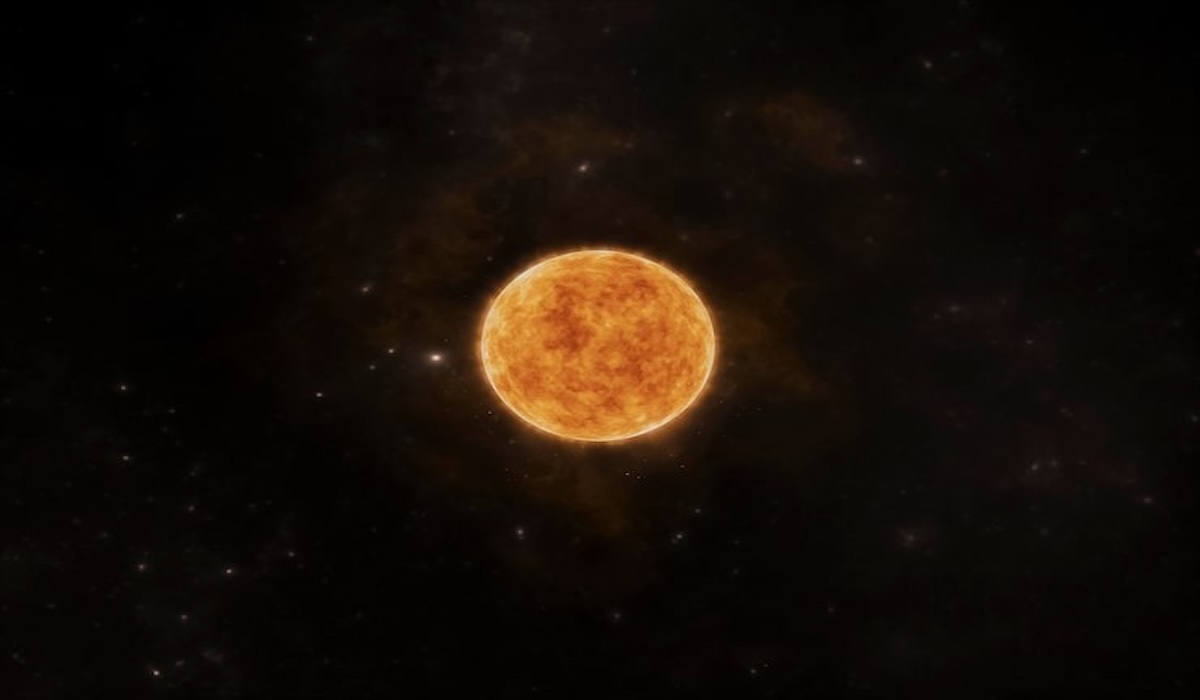
Solar activity has surged sharply after the Sun emitted two powerful solar flares within seven hours, causing radio blackouts in parts of Earth, including East Asia. Data collected on Monday (25 May) indicates the eruptions originated from active sunspot AR4419 on the Sun’s western side. Solar physicist Ryan French noted these were the strongest flares recorded in 78 days.
Intense radiation from the flares impacted Earth’s atmosphere, directly affecting regions facing the Sun. The first disruption affected the Pacific Ocean and Australia, while the second significantly impacted East Asia. Radio blackouts occurred as solar radiation ionised the ionosphere—the upper atmospheric layer responsible for reflecting high-frequency radio waves. During major solar flares, the lower ionosphere becomes densely packed with charged particles, weakening, distorting, or fully absorbing shortwave radio signals.
Scientists also detected a possible coronal mass ejection (CME), a burst of plasma and magnetic fields accompanying the eruptions. Although sunspot AR4419 was positioned on the Sun’s edge, not directly facing Earth, space weather experts are modelling its trajectory. If part of the CME strikes Earth’s magnetic field, it could trigger a geomagnetic storm. While this may produce brighter auroras in certain areas, authorities are advising vigilance over satellite communication and navigation system stability.
Both eruptions came from sunspot AR4419 on the Sun’s western edge. The first flare peaked on 23 April at 21:07 EDT (01:07 GMT on 24 April).