
Sumatra Disaster Aid Held Up in Malaysia as Deputy Speaker Raises Issue with Interior Minister in Parliament
Deputy Speaker of the House of Representatives (DPR) Sufmi Dasco Ahmad has called for disaster relief donations from Indonesian diaspora communities in Malaysia for flood victims in Sumatra to be allowed entry without further delay.
Dasco said he had received reports that a number of aid shipments had been held up. The donations came from thousands of Acehnese residents living in Malaysia.
“I have picked up on the issue of aid from Acehnese people in Malaysia — the question of getting these goods into the country now falls under whose authority, Interior Minister? This needs to be decided quickly here,” Dasco said during a post-disaster recovery coordination meeting with several ministers at the parliamentary complex on Wednesday (18 February).
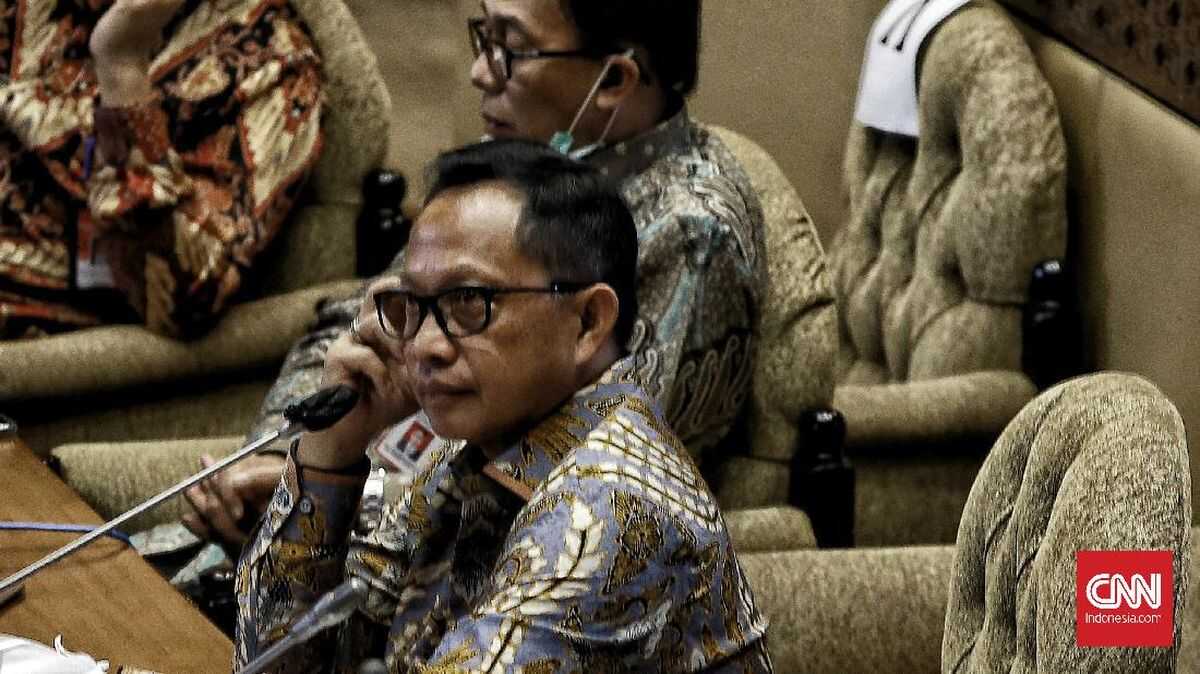
In response, Interior Minister Tito Karnavian said that import permits for aid shipments fall under the authority of the Directorate General of Customs and Excise.
Tito detailed the aid consignment, which includes 3,000 litres of cooking oil valued at Rp1 billion, sugar worth approximately Rp50 million, and mineral water worth Rp672 million.
Additionally, there are 5,000 boxes of ready-to-eat meals valued at Rp1 billion, 3,000 sacks of new clothing worth Rp126 billion, Qurans valued at Rp1 billion, and toilet fixtures worth Rp4.8 billion.
Tito said the aid shipments are currently stranded at Port Klang, Malaysia. His office has sent a letter to Customs and Excise, but logistics items such as cooking oil and sugar require approval from the Ministry of Agriculture.
“They originally wanted to send rice as well, but we turned that down. It is better not to include rice, as we have already achieved rice self-sufficiency. There is cooking oil and sugar instead,” Tito said.
Agriculture Minister Andi Amran Sulaiman requested that the shipment exclude rice, which he described as a sensitive commodity. Andi also suggested that the cooking oil donations be converted to cash, given that Indonesia is a major cooking oil exporter.
“If it is still possible, our suggestion — since we also export cooking oil on a massive scale to several countries — is that it be converted to cash. But if it absolutely must come in, I think very strict oversight would be needed,” he said.
“These goods have already been purchased, they are ready to be shipped, and this is a one-off. I think we could grant a dispensation since it is only once, rather than creating complications by having to convert it back to cash and repurchase everything,” Dasco replied.