
Sulphur Prices Hit Record High, World Loses the "Lifeblood" of Fertilisers
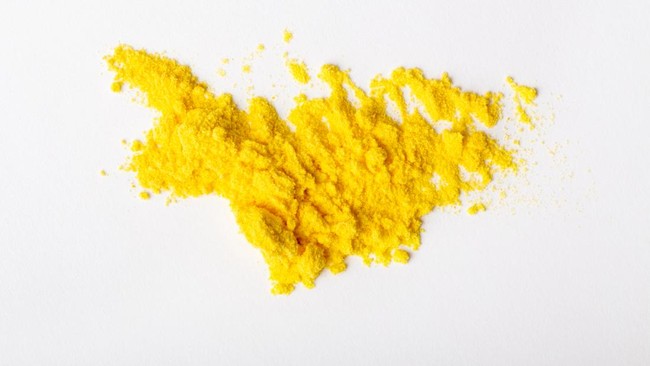
The surge in sulphur prices is sending strong signals to the global market. Futures prices have soared past CNY 5,180 per tonne, the highest level on record, at least as documented. This increase comes amid distribution disruptions from the Middle East, a region that plays a major role in the world’s fertiliser supply chain. According to Trading Economics, nearly half of the global sulphur supply originates from this area, with key routes passing through the Strait of Hormuz. When flows are disrupted, supplies grind to a halt. The impact is felt quickly as this period coincides with the planting season, when fertiliser demand spikes. Sulphur is a primary raw material in sulphuric acid production, which is used to make phosphate fertilisers, particularly for commodities like soy and corn. When sulphur supplies dwindle, fertiliser production comes under pressure. Producers are now competing for raw materials with other industries that also require sulphuric acid, including mining for metal extraction. The real pressure had already built up before the conflict. Demand from the metals industry has risen, while exports from major producers like China and Russia face restrictions. When logistical disruptions occur, an already tight situation turns into a supply crisis. According to S&P Global, the Middle East accounts for about 47% of global seaborne sulphur trade. This figure highlights a high level of concentration. Dependence is also evident among major importing countries. Seven of the top ten importers source more than 40% of their supply from this region. A one-month disruption could remove 1 to 1.5 million tonnes of sulphur from the market. If it lasts three months, the supply loss could exceed 4 million tonnes. This shortfall opens the door for further price increases. Prices are even projected to surpass US$800 per tonne. This level carries direct implications. Some industries will begin to curb consumption as costs become uneconomical. Nickel producers using high-pressure methods and low-cost phosphate producers are among the most affected groups. The effects do not stop at sulphur. The nitrogen-based fertiliser chain is also under pressure. The same region contributes around 35% of global urea trade and 24% of ammonia. When distribution is disrupted, the world’s main fertiliser supplies falter. Urea prices have already risen 44.9% since before the conflict, reaching US$710 per tonne. Ammonia is up 15.8% to US$550 per tonne. These increases coincide with pressures from energy and logistics costs. India is one of the most vulnerable points. The country heavily relies on imports of urea and ammonia. Brazil is in a different position. It has not yet entered the fertiliser application season, so pressure remains limited. However, import dependence is still high. Available domestic production capacity cannot yet meet needs.