
Sulbar Health Office Strengthens Early Detection Strategy to Eliminate TB Cases
Mamuju (ANTARA) - The West Sulawesi Provincial Health, Population Control and Family Planning Office (Dinkes P2KB) is strengthening early detection strategies as an effort to eliminate tuberculosis (TB) cases in the region.
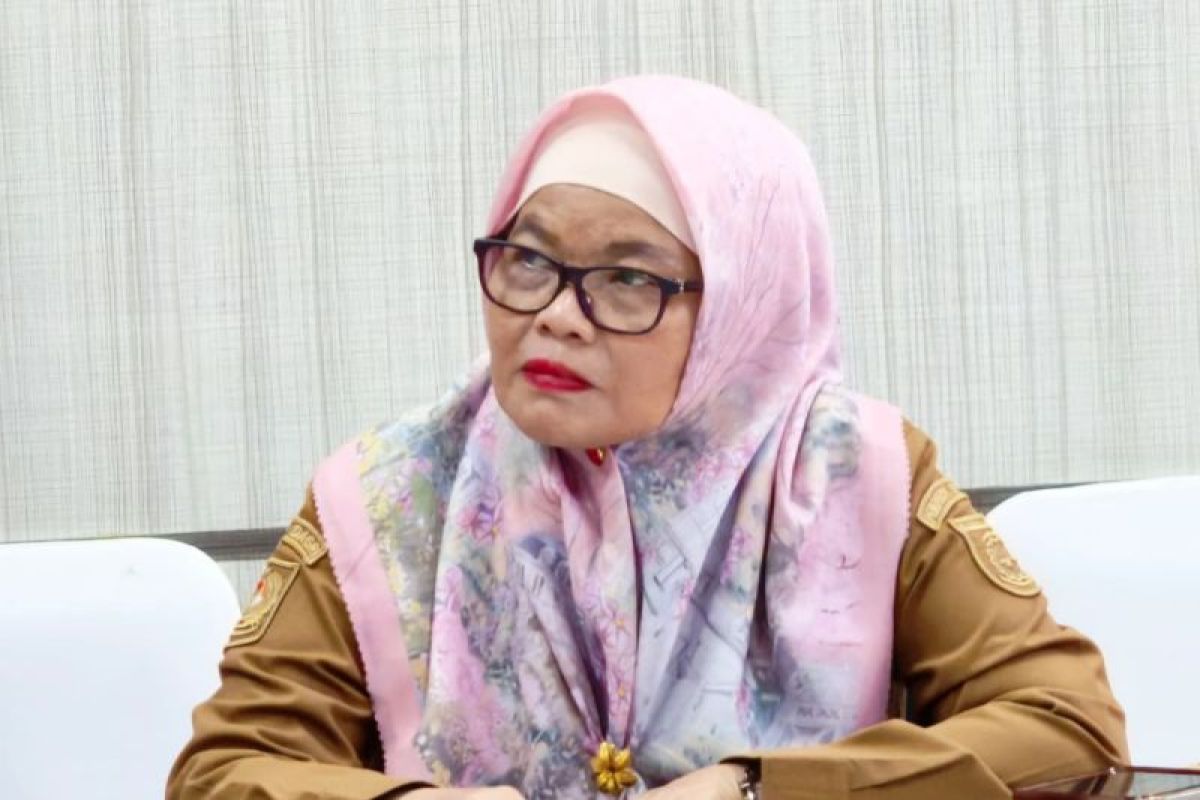
“Early detection strategies through active screening, contact investigations, and optimisation of the role of community health centres and health service networks are key to breaking the TB transmission chain in West Sulawesi,” said the Head of the West Sulawesi Dinkes P2KB, Nursyamsi Rahim, in Mamuju on Monday.
Based on Ministry of Health data as of 1 March 2026, the national achievement of the Minimum Service Standard (SPM) for health services for suspected TB patients in the first quarter is targeted at 30 per cent.
Meanwhile, TB treatment achievements in West Sulawesi show encouraging results.
The treatment success rate for drug-resistant TB (TB RO) patients reaches 100 per cent, while the enrolment rate for drug-sensitive TB (TB SO) patients is 86 per cent, indicating that the majority of patients have adequate access to treatment.
However, in upstream indicators, namely detection and prevention, significant gaps are still found.
TB preventive therapy (TPT) achievement is only at two per cent, far below the national target of 60 per cent.
In addition, TB case detection remains below the set target, which has the potential to cause the transmission chain to continue in the community.
Nursyamsi stated that these achievements serve as material for evaluation and a foundation for strengthening future strategies.
Nursyamsi emphasised that upstream indicator achievements, particularly TB case detection, are the main focus in accelerating future programmes.
Community-based approaches also need to be strengthened by involving health cadres, village governments, and cross-sectors to increase service coverage and public awareness.
In addition, strengthening digital-based recording and reporting systems is an important part in ensuring accurate data and quick responses to cases in the field.
Nursyamsi said that these strengthening steps are in line with the government’s Quick Best Results Programme (PHTC), which focuses on tackling TB, in addition to strengthening hospital services and implementing free health checks (CKG).
The community-based approach, she added, is also one of the keys to accelerating TB elimination.
The role of health cadres, village governments, and cross-sectors is very much needed in reaching vulnerable groups and increasing public awareness.
“Tackling TB is not only the responsibility of the health sector, but requires collaboration from all parties. With strong synergy, we are optimistic that the TB elimination target can be achieved,” she said.
The West Sulawesi Dinkes P2KB also encourages districts to carry out programme innovations, including integrating TB services with other health programmes, such as posyandu, school health services, and free health check activities.
“Through these steps, it is hoped that TB SPM achievements in West Sulawesi can increase significantly, while supporting the national TB elimination target and sustainably improving public health standards,” Nursyamsi said.
Through integrated programme strengthening, including the utilisation of CKG services and increased capacity of health facilities, the West Sulawesi Provincial Government continues to commit to providing equitable and quality health services, while suppressing the transmission rate of infectious diseases, particularly tuberculosis, in the community.