
Sukabumi Authorities Order Shutdown of Unlicensed South Korean-Owned Salt Processing Factory
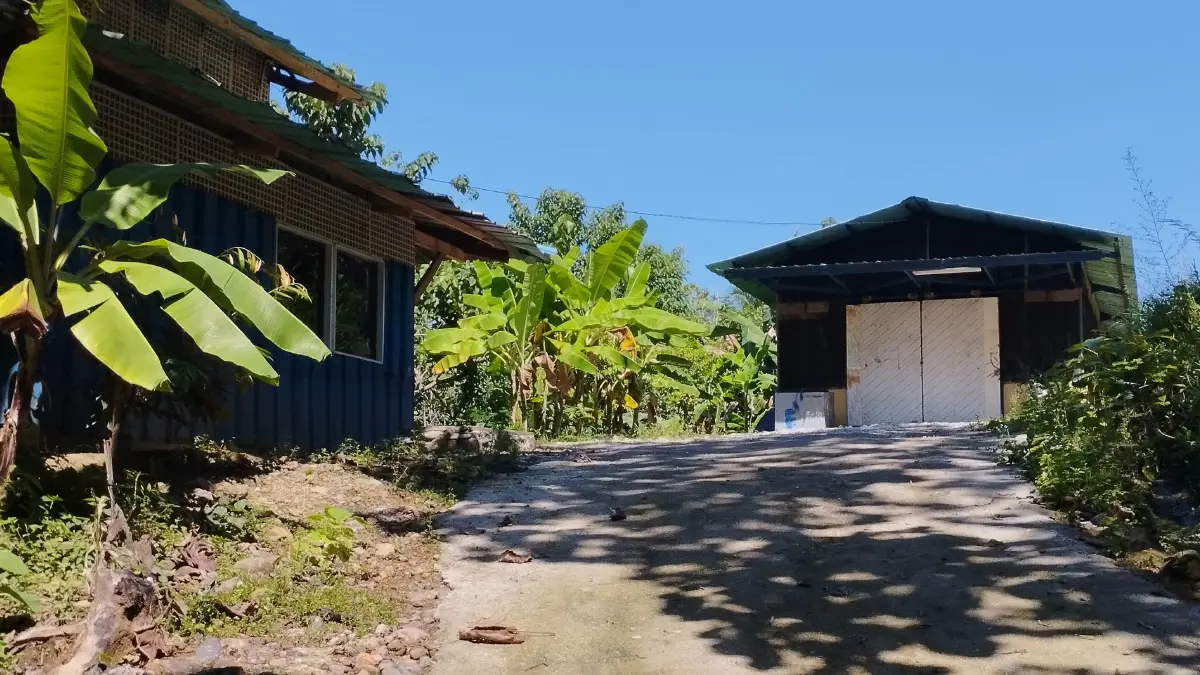
The Head of the Investment and One-Stop Integrated Services Agency (DPMPTSP) of Sukabumi Regency, Ali Iskandar, has confirmed that a salt processing factory owned by a South Korean national identified as Mr Kim in Kampung Gunung Geulis, Cisolok Village, Cisolok District, does not hold an official permit and must cease operations.
The statement followed the discovery of salt industry activities in the area that were not registered in the national licensing system. According to Ali, Mr Kim has not yet submitted a business permit application for salt processing through the Online Single Submission (OSS) system.
“The South Korean national in question has never applied for a permit through OSS. This means his business activities are not yet legally valid,” Ali Iskandar said on Thursday (10 July 2025).
Ali stated that if the permit is not obtained within a specified timeframe, DPMPTSP will coordinate with the Civil Service Police Unit (Satpol PP) of Sukabumi Regency to take enforcement action and halt the factory’s operations.
“If there is no permit, we will ask Satpol PP to temporarily stop its activities. It cannot simply be left unchecked,” he said.
Furthermore, Ali emphasised that every Foreign Direct Investment (PMA) seeking to invest in Indonesia, including in Sukabumi Regency, must comply with a number of requirements in accordance with regulations from the Ministry of Investment/BKPM. Among these is a minimum investment value of Rp10 billion, excluding the value of land and buildings.
“In addition, foreign investments must also be located in industrial zones. They must obtain basic permits, business permits, and meet the requirements of the Micro and Small Business Feasibility Assessment (PB-UMKU),” he explained.
Ali added that oversight of foreign investment activities falls under the full authority of the Ministry of Investment/BKPM. However, local governments retain a role in initial monitoring and enforcement against violations on the ground.
“We at the local level still have responsibility for monitoring. But for further administrative sanctions and long-term oversight, that lies with the central government,” he concluded.