
Sugarcane and the Promise of Sovereignty
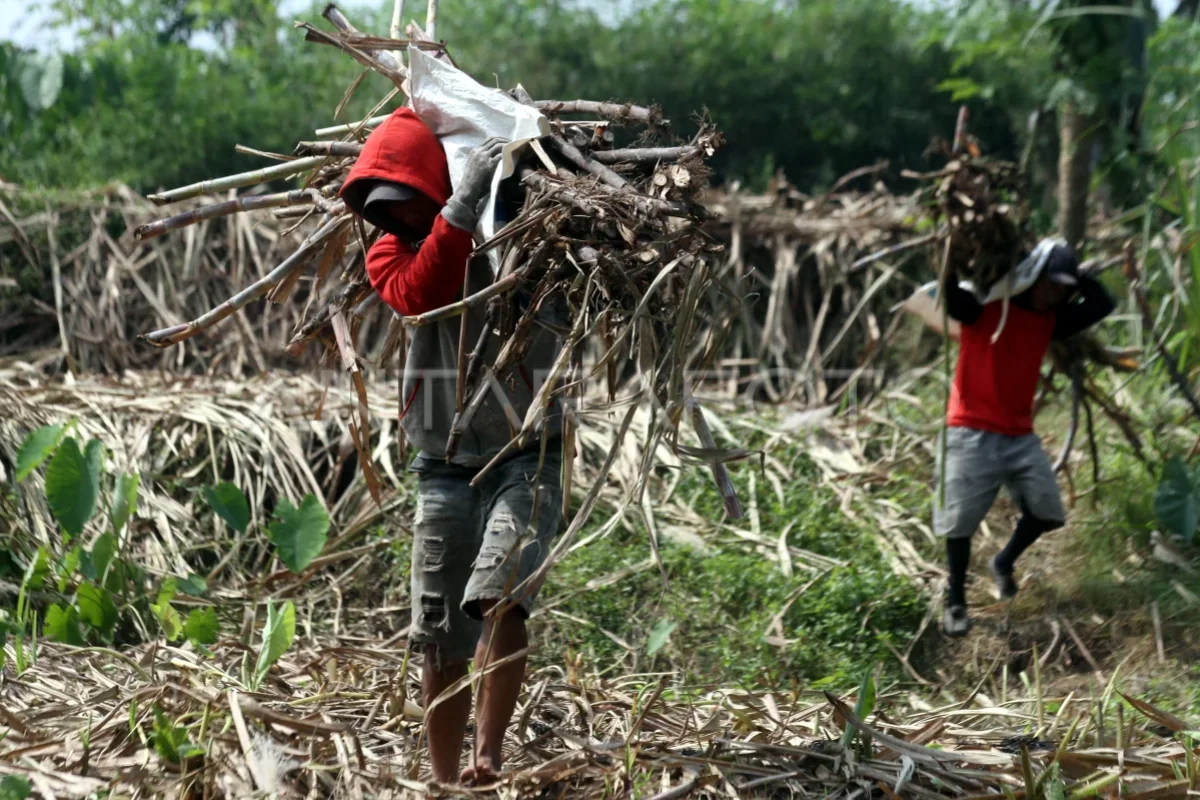
Surabaya (ANTARA) - The sugarcane fields of East Java are more than just agricultural expanses stretching under the summer sun. Behind the tall stalks lies a long story of food security, industrial history, farmers’ livelihoods, and the nation’s high-stakes gamble to reduce sugar import dependency.
Sugar cane-laden trucks winding their way to mills in Kediri, Situbondo, Malang, and Magetan over recent weeks signal the resurgent pulse of East Java’s sugar industry. Grinding machines run almost non-stop, factory sirens blare, farmers await yield results, and the government strives for self-sufficiency.
East Java remains the nation’s sugar heartland, accounting for over half of Indonesia’s sugar production. Provincial data shows white crystal sugar output from the region will reach approximately 1.34 million tonnes in 2025, the highest in a decade, solidifying its lead as the top national supplier.
Government optimism has strengthened with simultaneous ratoon removal and sugarcane rejuvenation programmes across regions. Kediri, Probolinggo, Magetan, and Malang are competing to expand land and boost productivity, with the central government positioning East Java as the backbone of the national 2026 sugar self-sufficiency target.
Yet, Indonesia’s sugar history teaches a crucial lesson: self-sufficiency is not merely about abundant harvests or machines running non-stop. The challenge is far more complex, often hidden beneath production figures.
New Ambitions
Indonesia’s sugar industry exists between two eras. On one side, modernisation efforts and national targets; on the other, colonial-era factories operating with limited efficiency.
Many East Java sugar mills have begun revitalisation, yet fundamental issues remain unresolved. Sugarcane yield rates at several plants hover between 7 and 8 per cent, meaning only a modest amount of sugar is extracted from 100kg of cane. Thus, improving seed quality, crop rejuvenation, and grinding efficiency are critical to achieving self-sufficiency.
These figures indicate productivity still has room for improvement, both in fields and factories. Weather, seed quality, irrigation systems, and cane transportation times all significantly impact sugar content in the stalks.
Hence, ratoon removal programmes are vital. Sugarcane left too long without rejuvenation suffers declining productivity. The government now promotes superior varieties that are drought-resistant and higher in sugar content.