
Success of PP Tunas could serve as a reference for other countries to limit children's access to social media
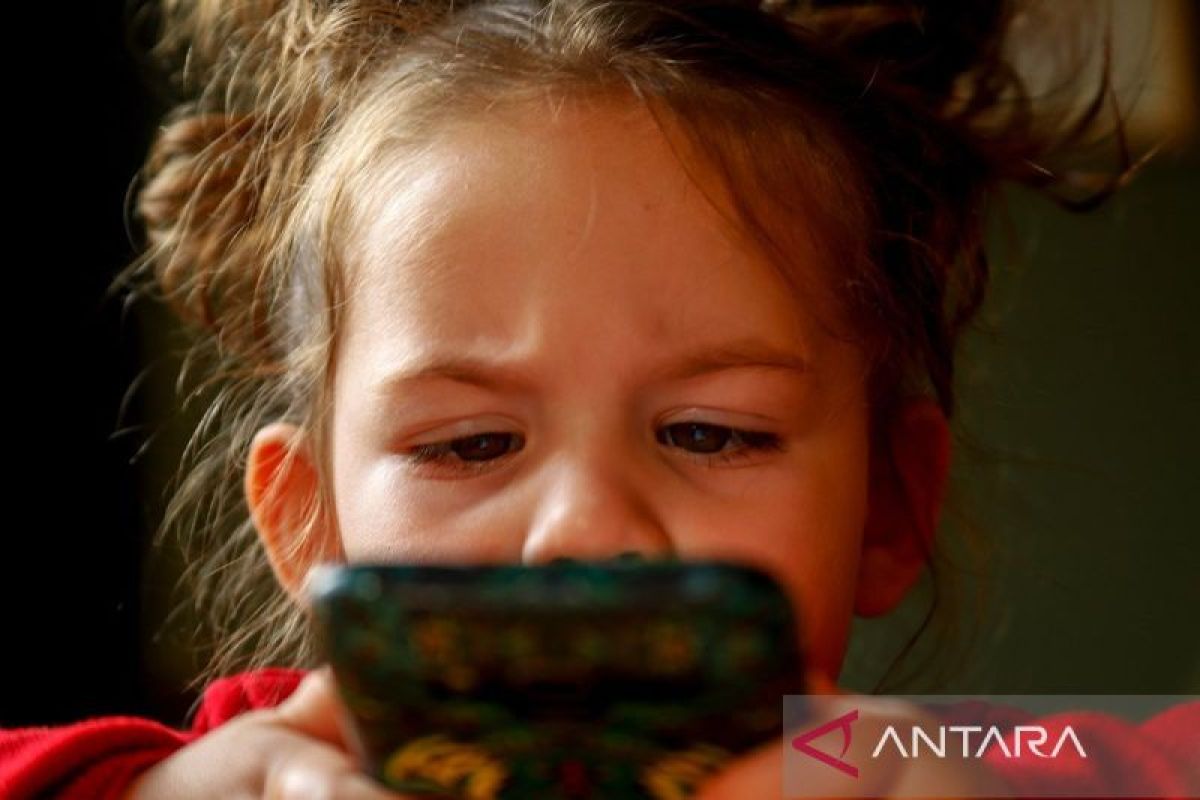
Jakarta (ANTARA) - Professor of Law at Universitas Padjadjaran, Prof. Dr. Ahmad M. Ramli, stated that the success of the regulation limiting social media access for children in Indonesia through PP Tunas could serve as a reference for other countries to protect children in the digital space by restricting access to social media.
Ramli, who is also an expert in Information and Communication Technology Law, said that Indonesia’s step to enforce PP Tunas represents the state’s stance in safeguarding digital sovereignty.
“If enforced consistently, PP Tunas has the potential to trigger a wave of global regulations, particularly in child protection in the digital space,” Ramli told ANTARA on Thursday evening.
Ramli said that law enforcement to protect children in the digital space by requiring digital platforms to take responsibility for their systems is not an easy task.
This is because the digital platform ecosystem has already been established, and correcting it poses a challenge.
At the very least, to serve as an example, Indonesia must ensure that technical issues can be addressed. Some of these include steps involving the use of technology related to age restrictions, user verification, and increasing platform responsibility.
If all of that is fulfilled, Indonesia is seen as being able to become an important reference for other countries in creating governance for technology, algorithms, and AI to protect children.
“Other countries will use this law enforcement model as a benchmark. If we succeed, it will become a model reference for them to take firm action as well,” said Ramli.
To make it more effective, Ramli said that the enforcement of PP Tunas needs to be accompanied by the involvement of parents and teachers who have a close connection with children who are now digitally savvy.
Parents and teachers need to have good digital literacy, enhancing their capacity in digital parenting and teaching to ensure children receive proper guidance when using emerging technologies.
“The success of PP Tunas also depends on the state’s ability to orchestrate the entire ecosystem in a transformative manner, so that child protection is truly realised in a tangible and sustainable way,” he concluded.