
Subsidy and Compensation Spending Reaches Rp 51.5 Trillion by February 2026
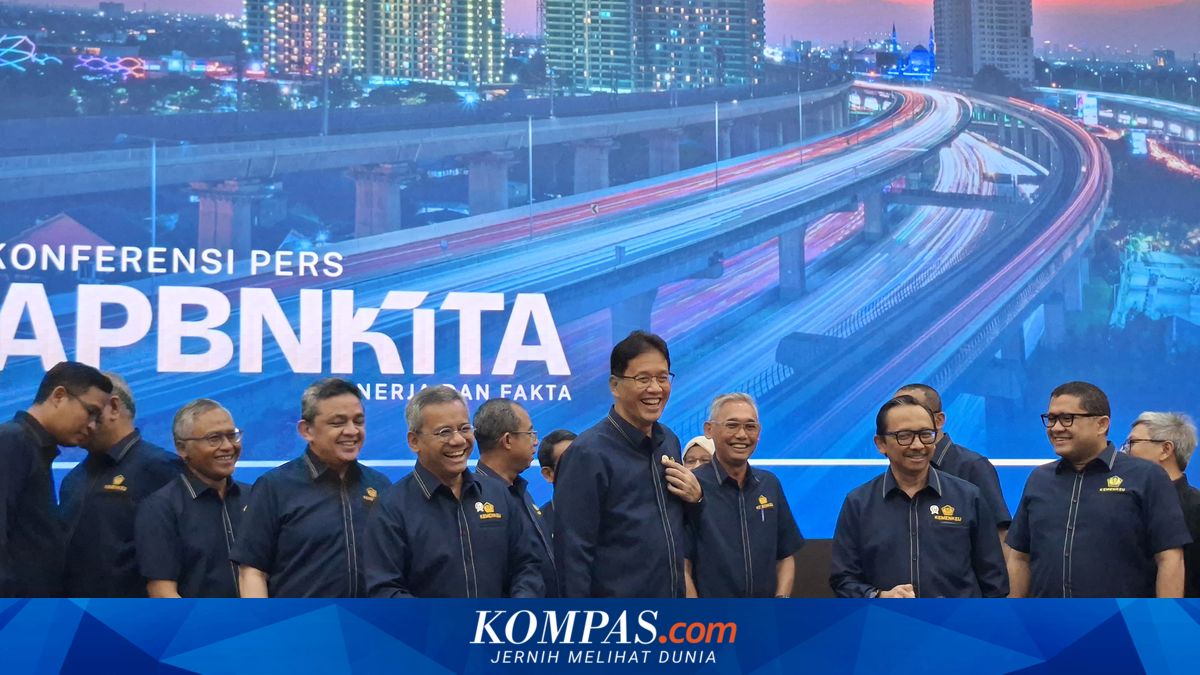
JAKARTA — The Indonesian government has realised subsidy and compensation spending of Rp 51.5 trillion by 28 February 2026, equivalent to 11.5 per cent of the total subsidy and compensation budget allocation in the 2026 State Budget (APBN).
Deputy Finance Minister Suahasil Nazara stated that the realisation was influenced by various external factors, particularly movements in global energy prices and rupiah exchange rates.
“The realisation of subsidies and compensation is influenced by fluctuations in the Inflation-adjusted Crude oil Price (ICP), rupiah depreciation, as well as increases in fuel oil, liquefied petroleum gas (LPG), and electricity volumes,” Suahasil said during a presentation on the 2026 APBN in Jakarta on Wednesday, 11 March 2026.
The government has also begun making monthly energy compensation payments this year. It is positioning the APBN as a shock absorber to maintain public purchasing power amid the continuing high volatility of global energy prices.
According to Suahasil, global geopolitical dynamics are also a factor that could trigger increases in world oil prices and potentially raise demand for energy subsidies. However, the government believes Indonesia has experience in managing energy price spikes, including during the global energy crisis caused by the Russia–Ukraine conflict in 2022.
Beyond maintaining energy price stability, the government is ensuring the availability of various subsidised goods for the public. Finance Ministry data shows that the distribution volume of several subsidised commodities increased in 2026 compared to the previous year.
Distribution of subsidised fuel reached 1,647.9 thousand kilolitres, up 11.2 per cent compared to the 2025 realisation of 1,482.2 thousand kilolitres. Distribution of 3-kilogram LPG reached 740.9 million kilogrammes, up 7.5 per cent compared to the previous year’s 689.1 million kilogrammes.
The number of subsidised electricity customers also increased from 41.8 million customers in 2025 to 42.7 million customers in 2026, representing an increase of approximately 2.2 per cent.
For the agricultural sector, distribution of subsidised fertiliser increased from 1.2 million tonnes in 2025 to 1.4 million tonnes in 2026, a growth of 16.6 per cent. Additionally, the number of People’s Business Credit (KUR) debtors increased from 0.5 million debtors in 2025 to approximately 0.8 million debtors in 2026, an increase of 42.5 per cent.
Suahasil emphasised that the government will continue to monitor developments in global energy prices and the rupiah exchange rate to ensure that subsidy and compensation policies remain effective in maintaining economic stability whilst protecting public purchasing power.