
Subsidised Fuel Prices Confirmed Not to Rise, DPR: Good for Industrial Stability
The government’s commitment to not raising subsidised fuel (BBM) prices in 2026 serves as a strong signal for safeguarding national economic stability amid global pressures. This policy is deemed capable of dampening production cost volatility while preserving public purchasing power as the primary driver of economic growth.
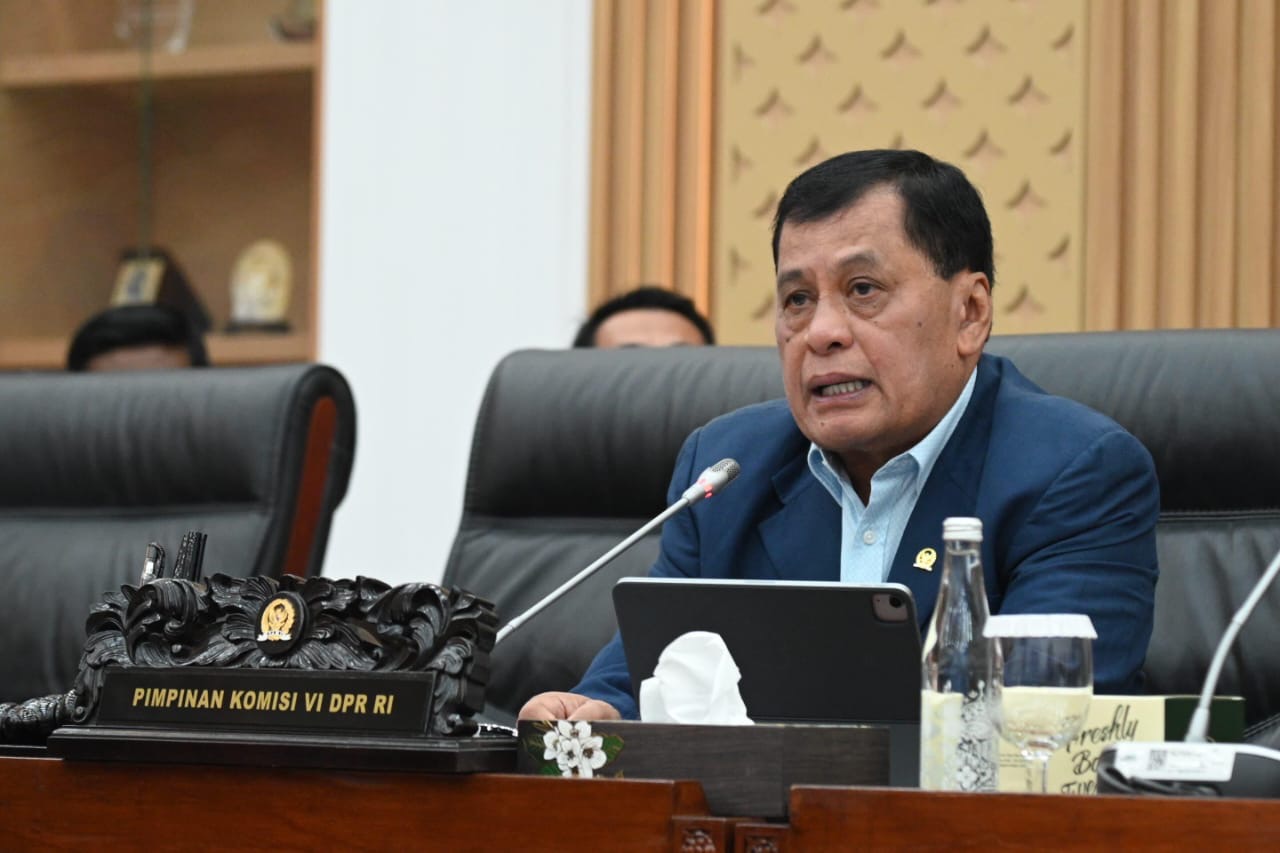
Vice Chairman of DPR RI Commission VI, Nurdin Halid, applauded the statement by Finance Minister Purbaya Yudhi Sadewa, who assured that subsidised BBM prices will remain stable. According to him, this certainty provides business actors with space to formulate more measured business plans amid global economic uncertainties.
“Energy price stability is key to maintaining logistical and production cost efficiency, thereby preserving the competitiveness of the national industry,” he said, quoted from a press release received in Jakarta on Tuesday (7/4).
Nurdin assessed that this policy not only impacts large industries but also provides protection for Micro, Small, and Medium Enterprises (MSMEs) that are vulnerable to input cost fluctuations. With controlled BBM prices, cost pressures can be minimised, allowing business actors room to sustain profit margins and operational continuity. On the other hand, energy price stability also contributes to containing inflationary pressures and keeping domestic consumption robust.
Nevertheless, he emphasised that the effectiveness of the subsidy policy heavily depends on accurate targeting and disciplined use. Without optimal oversight, the state’s fiscal burden could increase, reducing future policy room for the government.
“Subsidies must be used wisely and on target. This is a social protection instrument, not to be misused,” he asserted.
Furthermore, Nurdin urged the government to strengthen the subsidised BBM distribution monitoring system to prevent leakages, while ensuring its benefits truly reach entitled communities. He stressed that policy consistency and good governance will be key to maintaining national economic stability.
Nurdin affirmed that this certainty on subsidised BBM prices should be seen as an opportunity to strengthen national industrial resilience.
“With maintained stability, industries have the chance to grow more resilient and competitive amid global economic dynamics,” he concluded.