
Subang: New Epicentre of National Industry Dominated by Chinese Investors
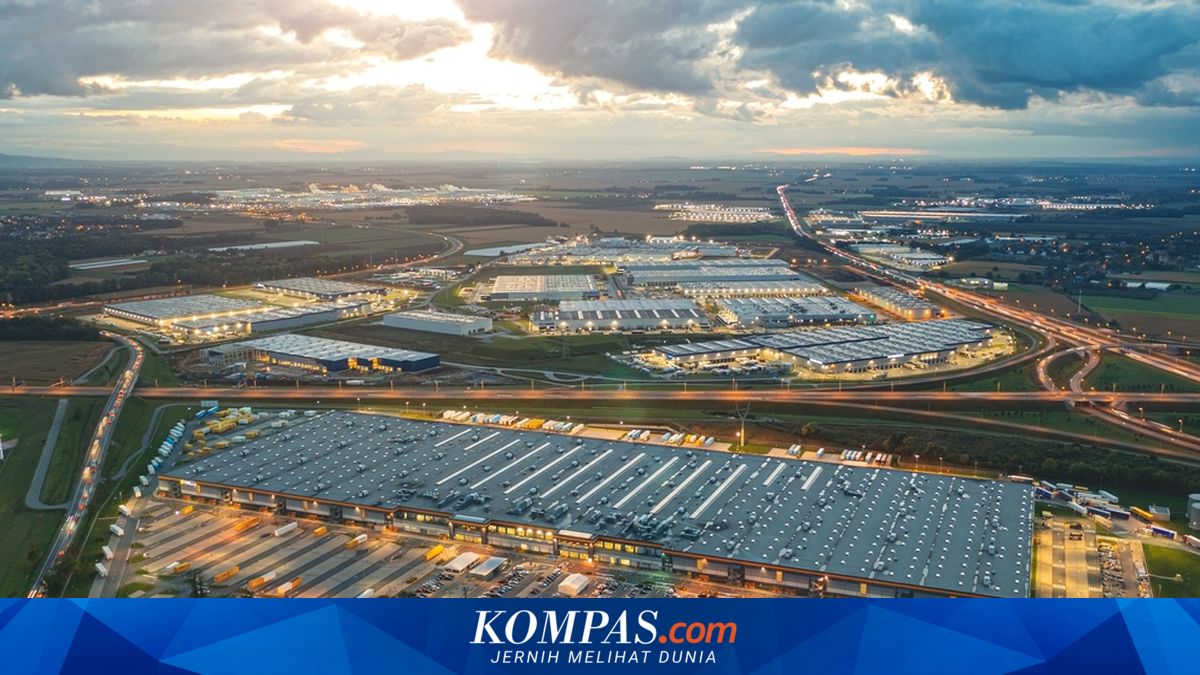
Three decades ago, discourse concerning the concentration of national industry in Indonesia consistently revolved around two locations: Bekasi and Karawang. However, economic history rarely moves in a static manner. As both regions entered maturity, marked by depleting land reserves and ballooning operational costs, global investment has now shifted massively towards Subang.
Subang’s transformation is evident in how the region has repositioned itself as a strategic node within global supply chains. The most critical phenomenon characterising Subang’s transformation over the past year is an explosion of investment originating from China.
Abednego Purnomo, Vice President of Sales, Marketing and Tenant Relations at Suryacipta Swadaya, analysed the anatomy behind this dominance. According to him, the primary motivation for Chinese investors stems from the need for substantial land areas to achieve absolute efficiency. “Chinese companies rely on economies of scale. Without such economic scale, they will not be able to compete with the production cost efficiency of Japanese or Korean manufacturing,” Abednego stated exclusively to Kompas.com on Friday, 13 March 2026.
The principal catalyst of this migration is Build Your Dreams (BYD), a global automotive giant that not only constructed a factory on 108 hectares of land but also brought its entire supply chain ecosystem with it.
Subang’s sharpness in attracting capital is reinforced by research from Jones Lang LaSalle (JLL), which recorded a fundamental shift from labour-intensive industries towards high-value-added industries. Subang Smartpolitan is considered superior because it was designed from the outset as an integrated township accommodating future industries, such as electric vehicles and data centres.
JLL reported that the occupancy rate of the industrial area in the eastern West Java corridor remained robust at above 85 per cent, a positive anomaly amid global economic slowdown.
Land valuations at Subang Smartpolitan reflect this market enthusiasm. Whilst prices were highly competitive at the initial launch, by March 2026 land prices had corrected upwards to USD 150 per square metre, a significant jump of 20 per cent.
Meanwhile, Colliers International highlighted the “attractive factor” of the region, namely infrastructure integration.