
Study Shows 41 Per Cent of Homecoming Travellers May Experience Anxiety and Depression
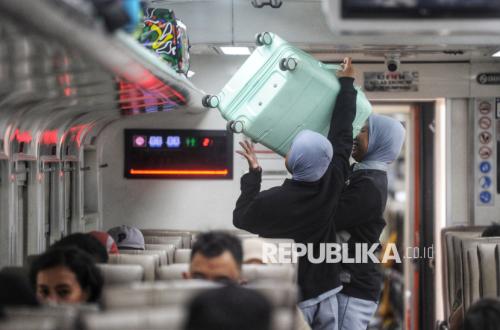
Homecoming travel (mudik) has traditionally been associated with physical preparations, ranging from arranging tickets and vehicles to purchasing gifts for family in hometown villages. However, one critical aspect often overlooked is mental preparedness.
According to Dr Ray Wagiu Basrowi, a physician and founder of the Health Collaborative Center (HCC), research in travel medicine released in 2023 by the World Travel & Tourism Council (WTTC) through a behavioural travel survey across several countries with homecoming traditions revealed surprising findings. “Approximately 41 per cent of adults undertaking homecoming travel experience symptoms of anxiety and mild to moderate depression during the travel period,” Dr Ray stated.
According to Dr Ray, who is one of the initiators of the Civil Society Caucus for Mental Health Awareness, this condition does not emerge without cause. The research identified several key factors triggering increased mental pressure during travel, including long-distance travel stress, uncertainty about travel duration, and physical exhaustion from extended journeys.
In the Indonesian context, this burden becomes even more complex. The homecoming phenomenon in Indonesia is not only characterised by long journeys but also extreme traffic congestion that can last for hours to days, disrupted sleep patterns, and irregular eating habits. All these factors contribute to increased biological stress in the body. However, often overlooked is the social pressure accompanying homecoming travel.
“For many people, returning to their hometown is not merely about seeing family, but also facing unwritten social expectations. Questions about employment, marital status, and life achievements often become a source of distinct pressure,” Dr Ray explained.
The research highlighted that the expectation to “appear successful” before family and social circles becomes one of the significant factors of psychological stress. When this pressure meets physical exhaustion from travel, what is termed as cumulative stressors develops—a condition in which various pressures occur simultaneously and reinforce one another.
The impact is not always immediately visible. Many homecoming travellers end up experiencing psychological changes, such as irritability, difficulty enjoying moments of togetherness, excessive overthinking, and even tendencies to withdraw from social interaction. “Rather than becoming a recuperation period, homecoming leave can instead become an unrecognised period of mental exhaustion,” he stated.
Consequently, Dr Ray advised that homecoming preparation should not be limited to logistical aspects alone. Mental preparation becomes a crucial step to ensure the journey remains wholesome and healthy.
Several simple strategies that can be implemented include lowering expectations about travel situations and social interactions, accepting that not all questions require in-depth answers, providing time for mental rest during travel, and maintaining awareness of one’s emotional condition.
Without mental preparation, the emerging risks are quite clear. The body may arrive at its destination, but psychological condition has already been depleted. “Ultimately, homecoming is not merely about returning geographically. Beyond that, homecoming is a return journey that ideally brings peace, rather than adding further burden,” Dr Ray concluded.