
Study Finds Gen Z Parents Are Moving Away from Gentle Parenting — Here's Why
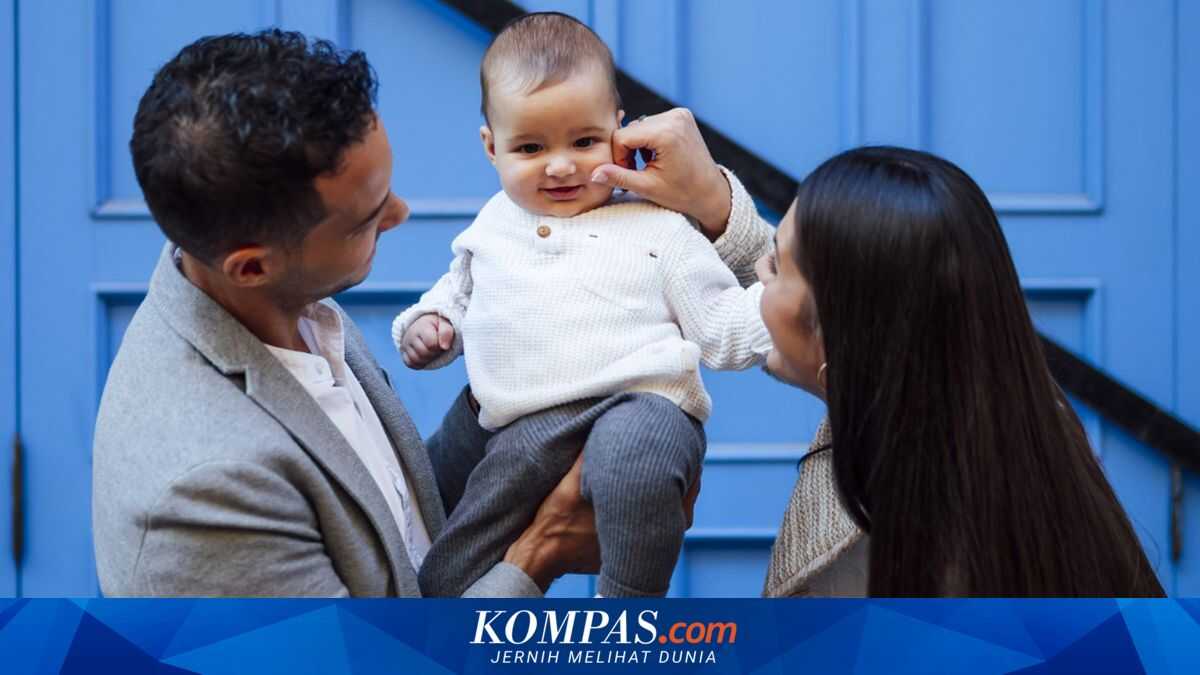
Parenting styles evolve from generation to generation. While the millennial generation has been closely associated with gentle parenting, a new study shows Gen Z parents are moving in a different direction. A survey by Kiddie Academy of 2,000 parents of children aged 0 to 6 found that Gen Z parents are no longer tied to a single parenting approach. They tend to combine several styles at once, adjusting them to the situation and the child’s needs. However, only about 38 percent of Gen Z parents reported using this approach as their dominant method. ‘The majority, or four out of five, of the surveyed parents agree that there is no single approach that fits all in parenting,’ said Kiddie Academy chief executive Casey Miller, quoted from Parents on Wednesday 4 March 2026. He added that most Gen Z parents favour a hybrid approach that blends, on average, three different parenting styles. ‘In general, younger parents believe that parenting styles should be blended and used depending on the circumstances,’ he said. This approach reflects flexibility and an awareness that each child has different needs. The survey results also show differences in priorities between Gen Z and millennials. Some 54 percent of Gen Z parents place preparing for the real world as the main aim of parenting. By contrast, millennial parents place greater emphasis on mental and emotional support. Thirty-one percent of Gen Z respondents employ a cause-and-effect approach, emphasising the logical consequences of a child’s behaviour. Meanwhile, 37 percent adopt a cycle-breaking pattern, i.e., efforts to heal intergenerational parenting trauma. There are also 33 percent who use attachment parenting and 20 percent who opt for child-led parenting. In real-life situations, for example when a child has a tantrum in the car, 42 percent of parents choose to pull over until the child calms down, 40 percent wait until they are home to administer a consequence, and 34 percent confiscate toys during the journey.