
Study finds fast-food restaurants contribute to local community employment
Jakarta – The global independent economic advisory firm Oxford Economics analysed that fast-food restaurants in Indonesia contribute to society and the business ecosystem by providing hundreds to thousands of jobs, notably for local economic communities.
Results of the study conducted for McDonald’s restaurants show that from April 2024 to March 2025, for every 100 workers directly employed by McDonald’s Indonesia, 330 additional jobs across various sectors of the local economy are supported, spanning agriculture, distribution, and back-office support services.
‘The results of our research demonstrate the scale of McDonald’s contribution to business and local communities across Indonesia, driving economic growth through job creation, franchise development, and partnerships with local suppliers,’ said Stephen Foreman, Associate Director at Oxford Economics, in a press release received in Jakarta on Wednesday.
The study notes that Rp3.8 trillion, or 86 percent of total supplier spend, is allocated to local partners, covering sectors from agriculture and livestock to manufacturing.
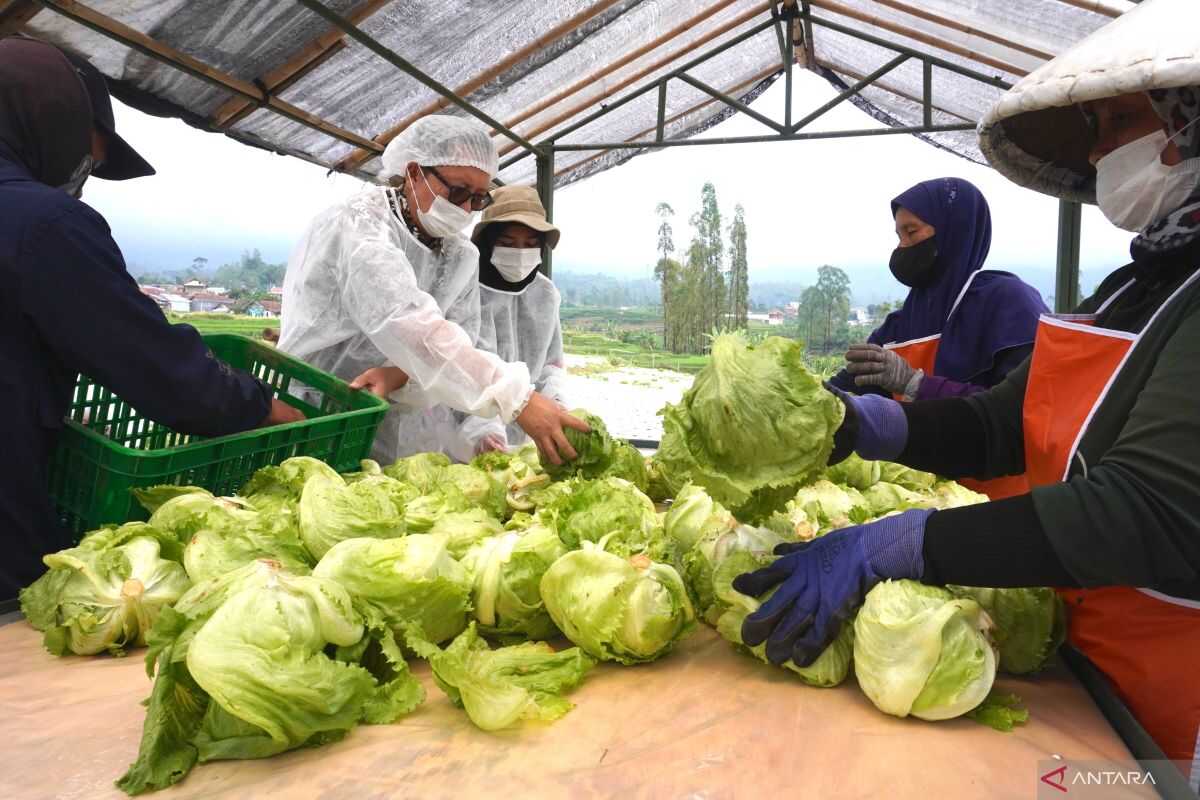
Around 76 percent of restaurant inputs are sourced domestically, including key ingredients such as chicken, vegetables, eggs, rice, chilies, and cooking oil which are now fully produced by local entrepreneurs.
In terms of jobs absorbed, during the study period, the McDonald’s Indonesia ecosystem supported around 48,700 jobs across sectors from farming and distribution to professional services.
The study also notes that female representation accounts for 40 percent of total staff, with 44 percent of leadership positions held by female leaders.
Through various technical and leadership training, the company aims to ensure that every individual has equal opportunities to build a sustainable career path.
‘We believe that business success is not measured solely by the numbers, but by the tangible benefits experienced by communities. Going forward, our focus remains on inclusive growth, where every employment opportunity, partnership, and social initiative will continue to be part of the ecosystem we have built and grow together with Indonesia’s large family,’ concluded Michael.