
Strong legal foundation becomes asset for women SMEs to climb the ladder
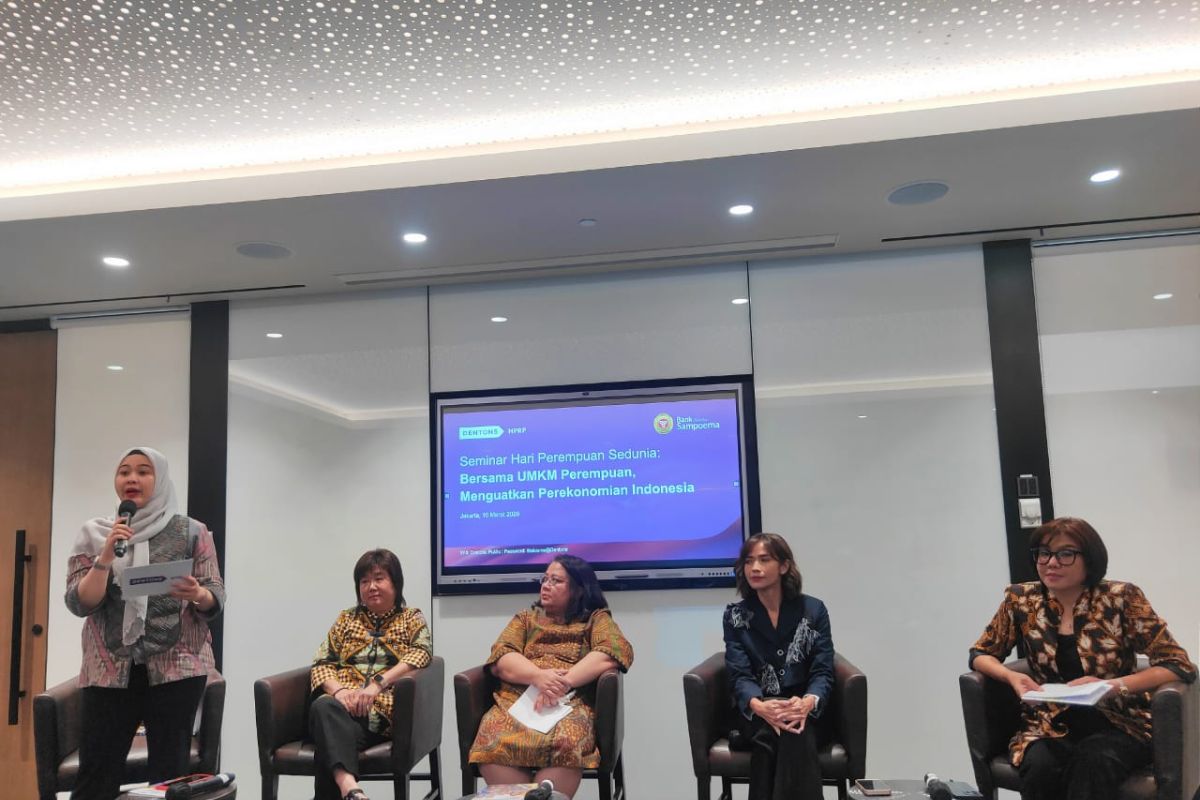
Jakarta — Women-led micro, small and medium enterprises (SMEs) that are strong are determined not only by product quality, but also by a solid legal foundation for the business.
A business with clear legal status, financial readiness and brand protection becomes an important asset to climb the ladder. This conclusion emerged at a seminar entitled “Together with Women SMEs, Strengthening Indonesia’s Economy” held by Dentons HPRP (Hanafiah Ponggawa & Partners) in Jakarta on Tuesday.
The event not only commemorated International Women’s Day, but also aimed to promote the empowerment of women SME entrepreneurs through legal education, whilst reaffirming the firm’s commitment to strengthening SMEs following the signing of a memorandum of understanding (MoU) with the Deputy of Strategic Development at the Ministry of Creative Economy Cecep Rukandi regarding the development of the creative economy in Indonesia.
“A business is like a house. If its foundation is strong, the business will be more prepared to be renovated and developed. The foundation includes, amongst other things, business permits, brand protection, and financial readiness,” said lawyer Fabiola Hutagalung in her statement before dozens of women SME participants from the Jakarta and surrounding regions.
Meanwhile, Nashatra Prita from Dentons HPRP partner emphasised that basic legal compliance is a very important first step for SME entrepreneurs.
“The main priority in managing business legality is to have a Business Identification Number (NIB) and other required permits. In addition, the form of business also needs to be clearly determined from the outset. This is particularly important if in the future business operators want to gain access to business financing,” Nashatra explained.
This view was echoed by Chief Internal Auditor at Bank Sahabat Sampoerna Nancy Suryani, who stated that women SMEs have equal opportunities to gain access to business financing.
In addition to NIB, other basic legal compliance measures important for SMEs include halal certification and home-based food industry (PIRT) certification, as well as marketing authorisation from the Food and Drug Authority (BPOM) for certain products.
“Without registration, brand owners do not have legal rights to their brands. This means there are no rights to royalties if the brand is used by another party. In addition, the valuation of the business can also be affected if at some point an investor is interested in investing,” she said.