
Strengthening NKRI Through Art Performances
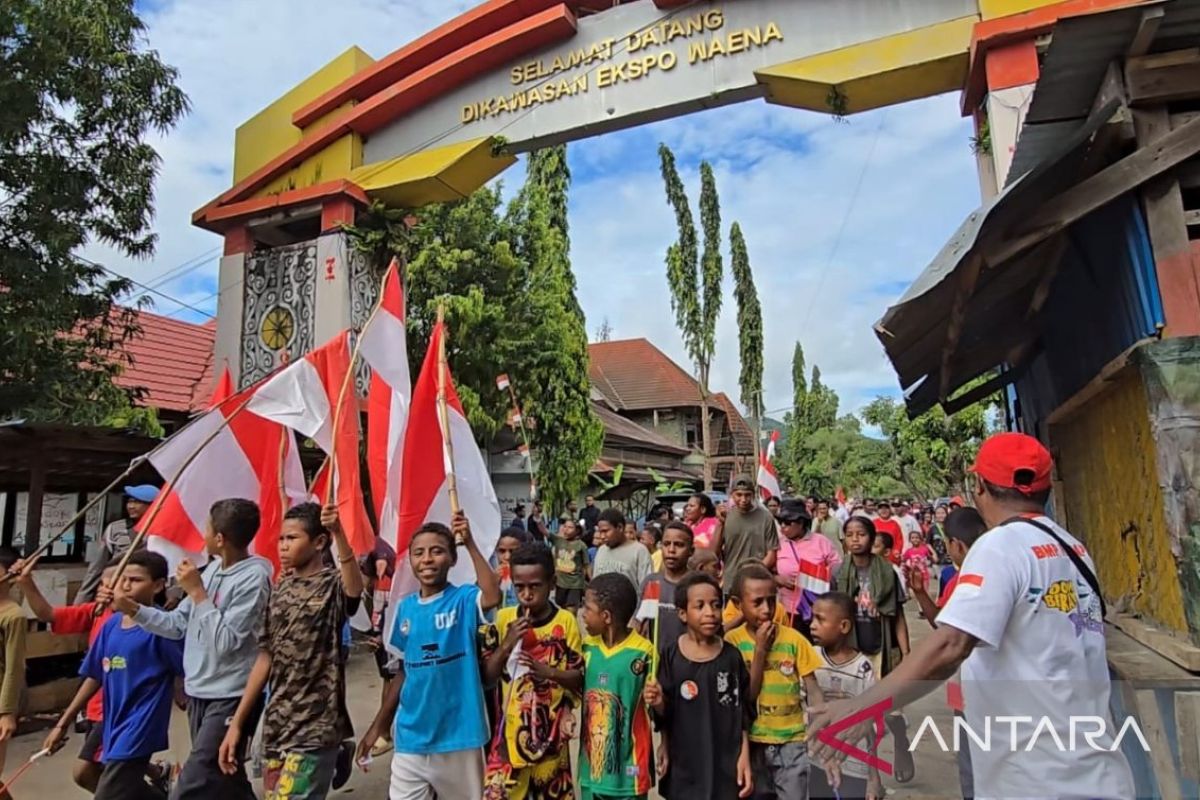
Jayapura (ANTARA) – Indonesia is known as a great nation not merely due to its vast territory, but because it unifies hundreds of ethnic groups, languages, and cultures under the identity of Bhineka Tunggal Ika. The country stands on the diversity of 17,000 islands, numerous regional languages, and over 1,300 ethnic groups spread across the archipelago.
Maintaining this unity is a collective effort that requires daily reinforcement. Integrity does not come automatically; it must be nurtured, and one of the most impactful ways is through art performances.
Art needs no interpreter; when Papua’s Yospan dance graces the stage, audiences no longer see regional divides but instead witness harmonious beauty.
At art performances, differences become strengths. Music, dance, and poetry serve as a common language that connects people without erasing their identities, as the stage offers equal footing for all. Villagers, students, artists, and teachers unite under one narrative.
Folktales, local histories, and social issues are conveyed through scripts and movement in art performances, imparting values such as mutual cooperation, tolerance, and respect without preachiness. For the youth, this experience shapes a broader sense of identity.
Cultural art performances can steer the youth towards productive avenues, such as creative economic opportunities, while honing creativity and innovation.
In Papua, art and culture bridge diversity, nurture peace, and strengthen inter-ethnic identity. The province hosts over 250 ethnic groups and more than 300 regional languages, each with distinct dialects and customs.
Hundreds of ethnic groups and languages in Papua are divided into several customary territories: Mamta or Tabi, Saireri, Meepago, Laapago Ha Anim, Domberai, and Bomberai.
The Mamta customary territory centres around Jayapura; Saireri covers the northern coastal regions, Yapen Islands, Biak, and Waropen. Meepago encompasses the western central highlands, including Nabire, Paniai, and Dogiyai. Laapago spans the eastern central highlands, such as Wamena and Lanny Jaya.
Meanwhile, Ha Anim covers southern regions like Mappi, Merauke, and Asmat. Domberai is in the western Bird’s Head Peninsula of West Papua, while Bomberai includes the south-western coastal areas of Fakfak and Kaimana. Amidst this diversity, art and culture serve as the strongest bridge to weave a collective ‘we’ identity as one Papua, one Indonesia.
Cultural festivals in Papua, such as the Baliem Valley Festival or Sentani Lake Festival, serve as shared spaces. At these events, traditional conflicts are presented not for hostility but to understand history.
Papua Governor’s Special Staff for Indigenous Community and Culture Development, Mathias Mano, stated that art and culture hold strategic significance as ancestral heritage that builds character and fosters social harmony.
Art performances are more than entertainment; they are a pivotal moment to strengthen identity, unity, and commitment as part of the Unitary State of the Republic of Indonesia (NKRI).
Art performances must take centre stage in Papua’s development as an annual agenda, as consistent promotion unites more youth in building the region within the NKRI framework.
Papua’s youth must lead in safeguarding national values, avoiding negative influences such as narcotics, violence, and radicalism, while actively contributing to regional development.
The Papua Provincial Government believes that if all youth in Cenderawasih Land unite, act, and create, Papua will become a progressive, peaceful, and prosperous region.
Cultural art performances are crucial for fostering positive thinking among Papua’s youth to build a better region in the future.
First Deputy Chairman of the Papua People’s Assembly (MRP) and Chairman of the Papua Regional Chapter of the Red and White Front (BMP) RI, Max Ohee, continues to engage youth in embracing their identity and local culture through activities, including Papua’s cultural art performances themed ‘Youth Solidarity for Strengthening NKRI’.
The event aims to assist local governments in encouraging youth organisations, communities, and studios to revive the spirit of preserving local culture, as it is an identity that must be safeguarded and sustained.
This year, the cultural art performances coincide with Papua’s return to the NKRI on 1 May. The event, involving 19 studios, is held at Expo Waena in Heram District to demonstrate that Papua’s cultural identity enriches Indonesia’s national character.
As an integral part of the NKRI, Papua plays a strategic role in safeguarding national sovereignty. With its significant land area and abundant natural resources, Papua is a crucial pillar in building Indonesia’s unity and cohesion.
Since Papua’s integration into the NKRI in 1969 through the Act of Free Choice (Pepera), the region has consistently played a vital role in strengthening national integrity.
Situated as Indonesia’s easternmost province, Papua holds strategic importance in defending NKRI sovereignty. It serves as Indonesia’s gateway to the Pacific region, with potential economic and geopolitical influence. Its strategic location makes Papua pivotal in safeguarding Indonesia’s territorial integrity against external and internal threats.
Conversely, the presence of the Indonesian National Armed Forces (TNI) and National Police (Polri) in Papua underscores its critical role in preserving NKRI unity. Their duties extend beyond ensuring security and stability to supporting development and maintaining public order.