
Strategic Diplomacy for the Future of Energy Resilience
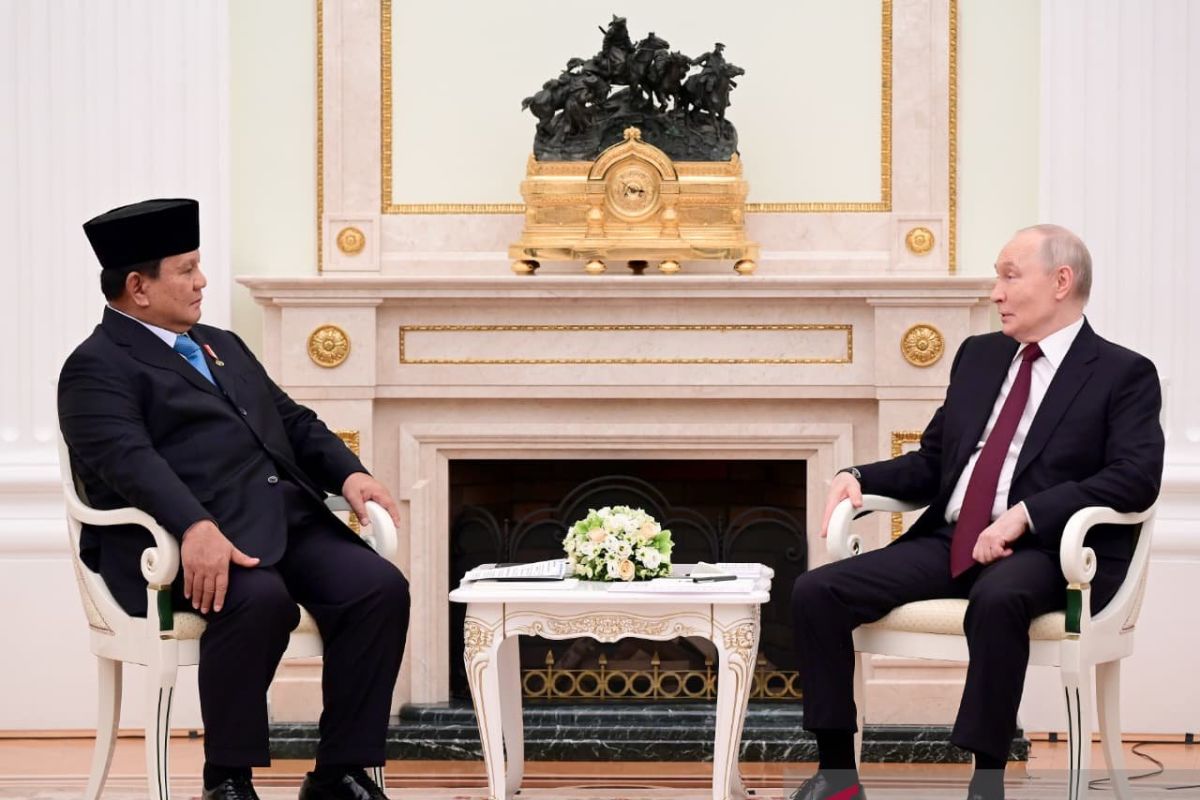
Jakarta (ANTARA) - The Indonesian government has recently established a strategic partnership with the Russian government to strengthen national energy resilience. This cooperation, through crude oil supplies and energy infrastructure development, follows President Prabowo’s working visit to Russia some time ago. President Prabowo has demonstrated strong leadership, not only for the Indonesian people but also in alignment with global perceptions. His role in international diplomacy further solidifies Indonesia’s position as a reckoned nation. President Prabowo’s populist policies are solely aimed at the people’s welfare. The visit to Moscow is grounded in solid thinking. The free and active foreign policy is not merely a ceremonial slogan recited at international forums. This step also serves as a tangible instrument that must be operated for the people’s interests. The goodwill visit to Moscow is highly strategic as it opens opportunities for diversifying oil supply sources amid global pressures. Here, energy diplomacy demonstrates its strategic role. Energy today is no longer merely a commodity but the lifeline of the national economy. When oil prices rise sharply, the impact quickly spreads to nearly all sectors, including increased transportation costs, higher food logistics expenses, rising industrial production costs, and greater domestic inflationary pressures. Diplomatic prowess To ensure national energy supply stability in the short term, the government has also secured crude oil availability until the end of 2026. This step is a direct follow-up to President Prabowo’s directives to maintain energy resilience amid global uncertainties. In addition to crude oil, the government discussed opportunities for cooperation in meeting national LPG needs, which currently still rely on imports. In this context, energy diplomacy can maintain domestic price stability. Indonesia still has significant dependence on oil and LPG imports. The commitment spans from ensuring crude oil and LPG supplies, oil refinery cooperation, to nuclear power plant development, involving representatives from Russia’s largest energy companies, including Rosneft, Lukoil, Ruschem, and Zarubezhneft. In the discussions with Russian partners, it can be discerned that the energy world today is not just about the price per barrel but is closely tied to geopolitics, bargaining positions, diplomacy, and ultimately efforts to maintain resilience (energy and economic) amid various pressures. This trip to Moscow, including previous visits to Tokyo and Seoul, reflects that reality. Another important lesson learned is that in a highly dynamic world situation, we cannot be passive. Every inch of challenges and opportunities must be pursued, created, and seized. The current situation sees most countries trapped in crisis threats, especially in energy, so each must find ways out and means to survive those pressures. The speed of diplomacy becomes one of the pillars of national resilience in facing crises. Success in opening alternative supply access will greatly determine the government’s ability to withstand fluctuations in fuel prices and electricity tariffs.