
Strait of Hormuz Tensions Threaten Global Fertiliser, Livestock Feed and Wheat Supplies
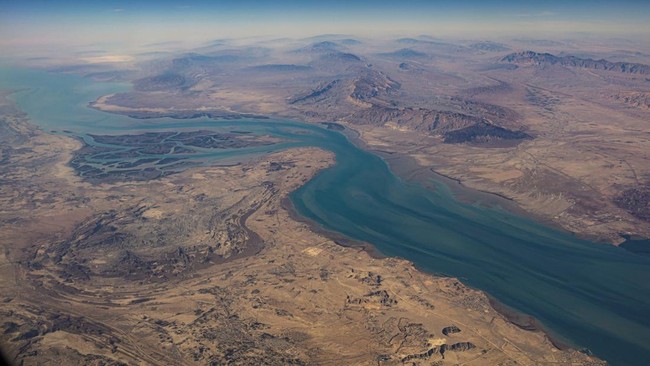
The Strait of Hormuz is often discussed in the context of oil, yet this maritime corridor is equally integral to global food commodity trade. Conflict involving Iran has disrupted shipping in the Persian Gulf, creating fresh uncertainty in agricultural commodity supply chains.
The strait serves as the primary link between the Persian Gulf and open ocean, with energy and commodity vessels transiting the narrow passage daily. According to IFPRI, approximately 27% of global oil exports and 20% of global liquefied natural gas trade pass through this route. Within food production chains, the corridor is essential for distributing fertiliser and fuel that underpin agricultural output.
Changes in the security situation have directly impacted shipping activity. Drone and rocket attacks on commercial vessels have escalated insurance costs and operational risks. Research reports indicate shipping activity in the region has declined more than 70% since the conflict intensified. Reduced vessel traffic has slowed the delivery of energy and agricultural inputs to numerous countries.
The disruption has rippled through fertiliser markets. Approximately 20-30% of global fertiliser trade flows through the same route. Natural gas, the raw material for nitrogen fertiliser production, also originates from the Persian Gulf region. When energy supplies are disrupted, fertiliser production costs rise. In the same report, oil prices increased by approximately US$10 per barrel, whilst European gas prices surged more than 50%. Urea prices from the Middle East increased by around US$90 per ton, representing nearly a 19% rise.
The downstream impact is visible in livestock feed trade. Conflict involving Iran has begun disrupting agricultural commodity flows from South America to the region. Several shipments of soymeal purchased by Iranian importers have been reported cancelled or redirected to other markets due to elevated shipping risks and compromised access to the Strait of Hormuz.
Iran itself is an important buyer of these commodities. Iran imported 581,478 tons of soymeal from Brazil in 2025, significantly lower than the 2.1 million tons imported in 2024. From Argentina, soymeal shipments to Iran reached approximately 1 million tons in 2025, more than double the previous year. When conflict complicates shipping to the gulf, portions of delivery contracts become uncertain.
Altered shipping routes create additional pressure on source ports. Market sources report vessels destined for Iran are now seeking alternative destinations. If cargo is not rapidly absorbed, stocks can accumulate at export ports such as Paranaguá in Brazil. Such conditions increase the risk of losses for exporters and commodity traders.
The Persian Gulf region simultaneously depends heavily on food imports. Countries in this area purchase wheat, vegetable oils, soya and sugar from international markets. Per capita wheat consumption exceeds 100 kilograms annually. This dependence makes the stability of shipping routes a critical factor for regional food supply.
When vessel traffic declines, logistics costs increase and delivery schedules shift. This situation amplifies volatility in agricultural commodity prices as energy and fertiliser costs rise.
Global food production is highly sensitive to changes in input prices. If fertiliser prices remain elevated over extended periods, fertiliser usage may decline during the next planting season, affecting crop yields.